About this place
Sebadales de Antequera is a protected marine area off the coast of Tenerife, in the southern part of the municipality of Santa Cruz de Tenerife, Canary Islands. The site covers just under 273 hectares and has been designated a Special Area of Conservation (ZEC) under the European Natura 2000 network since September 2011. Despite the name, this site has nothing to do with the well-known Andalusian city of Antequera — it lies on Tenerife's eastern coastline, close to the island's capital.
What is a "sebadal"?
The word "seba" is the Canarian name for Cymodocea nodosa, a species of seagrass. A "sebadal" is therefore an underwater meadow formed by this plant — a true flowering species, not an alga — which roots in sandy seabeds and spreads into dense carpets across shallow coastal waters. In the Canary Islands, sebadales play a role comparable to that of Posidonia oceanica meadows in the Mediterranean Sea. Unlike Posidonia, however, sebadales have not yet been formally listed as a priority protected habitat at EU level, even though their ecological importance is on a similar scale.
Why is this area protected?
Seagrass meadows perform essential functions within coastal ecosystems: they stabilize the seabed, reduce shoreline erosion, store carbon, and provide shelter and feeding grounds for numerous fish and invertebrate species. These functions are why the waters off Antequera were brought under Natura 2000 protection — a network designed to ensure the long-term survival of Europe's most threatened habitats and species.
What threats does the site face?
Despite its protected status, Sebadales de Antequera faces real pressures. The most significant is mechanical erosion caused by boat anchoring: chains and anchors physically tear out and destroy the seagrass's stems and rhizomes, and in areas with heavy boat traffic this leads to lasting degradation of the meadows. Marine litter accumulating along the coastline is an additional problem. Together, these pressures make recovery difficult, since seagrass naturally regenerates far more slowly than many types of algae.
Can you visit this area?
Sebadales de Antequera is primarily an underwater site, so it is best appreciated through diving or snorkeling in the coastal waters, or by observing the coastline from land. For anyone interested in the marine environment of the Canary Islands, it offers a clear example of how unassuming underwater meadows play a fundamental role in the health of an entire coastal ecosystem.
Frequently asked questions
Is Sebadales de Antequera the same place as Antequera in Andalusia? No. The name refers to the locality of Antequera on Tenerife, within the municipality of Santa Cruz de Tenerife — an entirely different place from the well-known city of Antequera in the province of Málaga, on the Iberian Peninsula.
How is a sebadal different from a Posidonia meadow? Both are underwater meadows formed by flowering plants, but they involve different species: a sebadal is made up of Cymodocea nodosa, typical of the Canary Islands, while Posidonia oceanica is found in the Mediterranean Sea. They play similar ecological roles, though their legal protection status differs.
What is the biggest threat to this area? Erosion caused by boat anchoring, which tears seagrass out of the seabed, along with pollution from marine litter.
Since when has the area been protected? Since September 2011, as a Special Area of Conservation (ZEC) under the Natura 2000 network.
Nearby places
-

Reserva natural integral de Ijuana
Santa Cruz na Teneryfie
-
Sebadal de San Andrés
Santa Cruz na Teneryfie
-
Reserva natural integral del Pijaral
Santa Cruz na Teneryfie
-
Macizo de Anaga Biosphere Reserve
Santa Cruz na Teneryfie
-
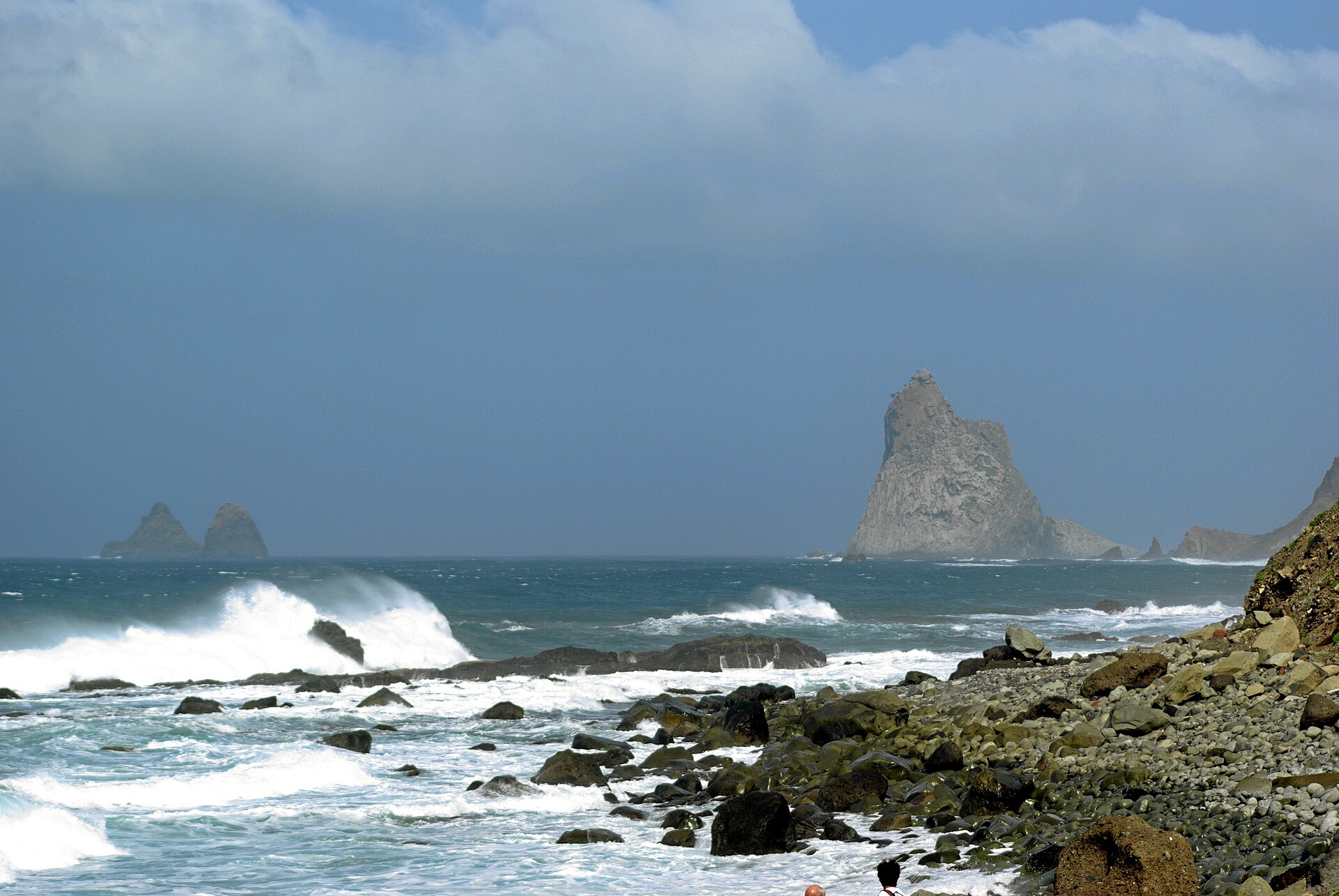
Roques de Anaga
Santa Cruz na Teneryfie
-
Anaga Rural Park
Santa Cruz na Teneryfie
Earn badges for the places you visit
Download NextOnTrip, discover new places and check off your trails.