About this place
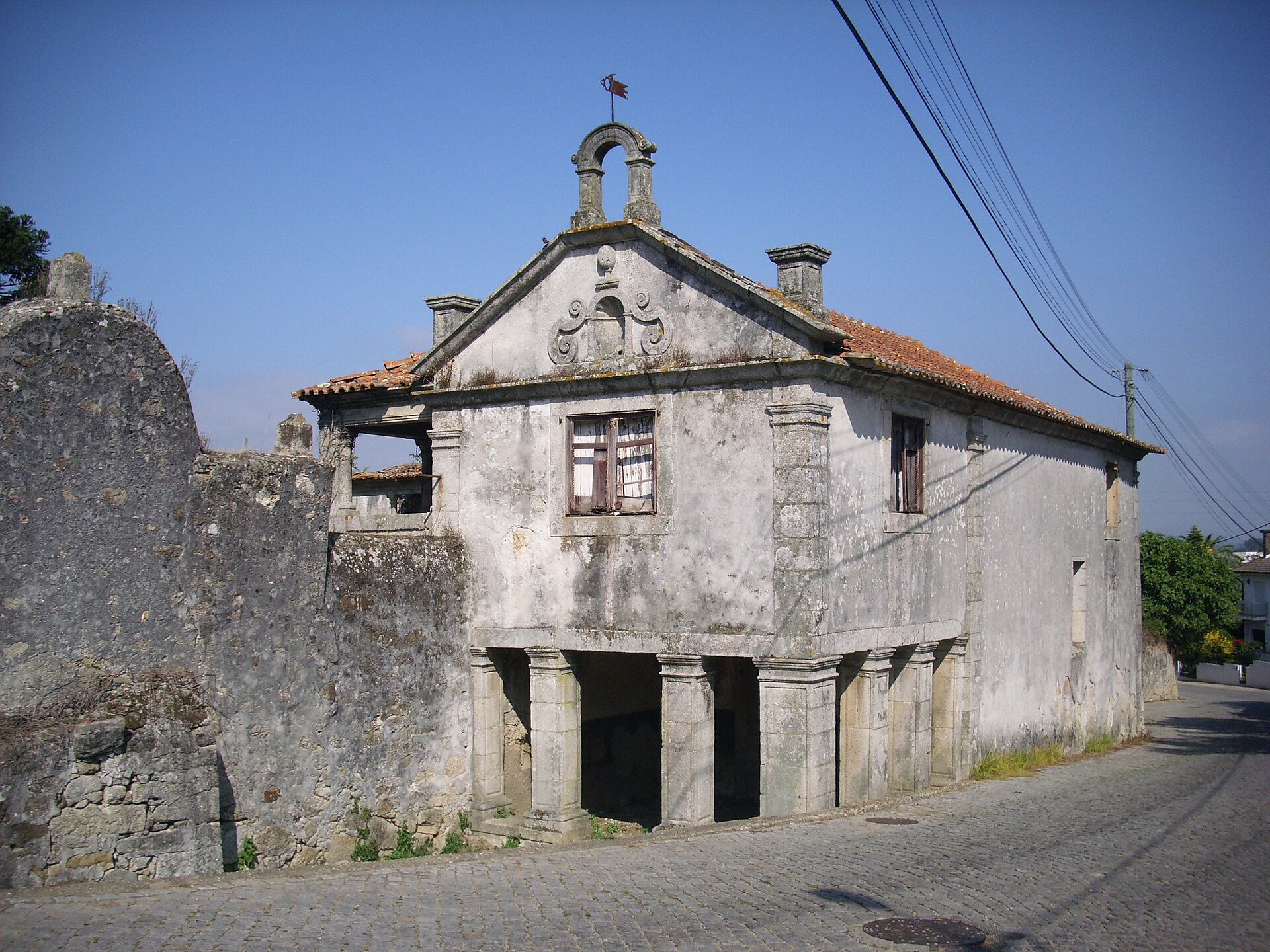
Quinta de Baixo, also known as the Quinta dos Condes de Paço Vitorino, is a historic estate in the parish of Vilar de Andorinho, in the municipality of Vila Nova de Gaia, Porto district, Portugal. Its manor house and attached chapel show what a noble country residence in northern Portugal looked like in the 18th century, and they offer a different side of Gaia from the famous port wine lodges.
Where is Quinta de Baixo?
The estate lies in Vilar de Andorinho, one of the parishes of Vila Nova de Gaia, on the south bank of the Douro, across from the city of Porto. This is a residential area rather than a tourist waterfront, so plan your trip ahead and check whether the grounds can be viewed from close by at the time of your visit.
What is the history of Quinta de Baixo?
The site goes back to the 12th century, when it was known as the Casal de Vilar de Andorinho, a rural holding tied to the local area. In the 16th century the property gained noble status thanks to the Pinto Monteiro family, wealthy merchants of Porto. In 1654 it belonged to João Álvares Monteiro.
In the 18th century the Pinto Monteiro line died out and the estate passed to another important family, the Calheiros of Paço Vitorino, near Ponte de Lima. That link explains the name Quinta dos Condes de Paço Vitorino. The family remained the owners through the following centuries.
What is there to see at Quinta de Baixo?
The complex dates from the mid-18th century. By 1756 it already had a layout very close to today's: a residence, an adjoining chapel and outbuildings. The main house is baroque and U-shaped, and the noble floor is reached by an interior staircase.
On the north side the chapel is built into the plan of the house. It sits on a slightly recessed plane, so the side elevation is crossed by a veranda. Having the chapel form part of the house was typical of manor residences in northern Portugal.
Why visit Quinta de Baixo?
- It is an example of a baroque agricultural manor linked to the history of Porto's merchant families.
- It shows that Vila Nova de Gaia is more than wineries on the Douro: it also has old estates further inland.
- The surviving house, chapel and service buildings help explain how such estates worked.
- Archive photographs, including views of the chapel interior, are held by Gaia's municipal archive, which makes it easy to learn the story before you go.
Frequently asked questions
Is Quinta de Baixo open to visitors? We found no confirmed information about regular opening hours. Before you travel, check current rules with the Vila Nova de Gaia municipality or the local parish.
What other names does the place have? It appears as Quinta de Baixo, Quinta dos Condes de Paço Vitorino and Quinta do Paço de Vitorino.
What period is the building from? The current arrangement dates from the mid-18th century, though the estate's history begins as early as the 12th century.
Where can I find more information? Historical studies, Portugal's heritage registers and Gaia's municipal archive hold documentation and photographs.
Can I combine the visit with the centre of Gaia? Yes. Vilar de Andorinho is in the same municipality, so you can pair the visit with a walk along the Douro and a port tasting.
Nearby places

Earn badges for the places you visit
Download NextOnTrip, discover new places and check off your trails.