About this place
Prieuré Notre-Dame de Salagon, in the commune of Mane in the Alpes-de-Haute-Provence department, is a former monastic priory that has been converted into a combined heritage site and museum. Known today as the Musée et Jardins de Salagon, it pairs a well-preserved Romanesque religious complex with an ethnological museum and several hectares of themed botanical gardens, making it one of the most distinctive cultural stops in Haute-Provence.
Where does the site's history begin?
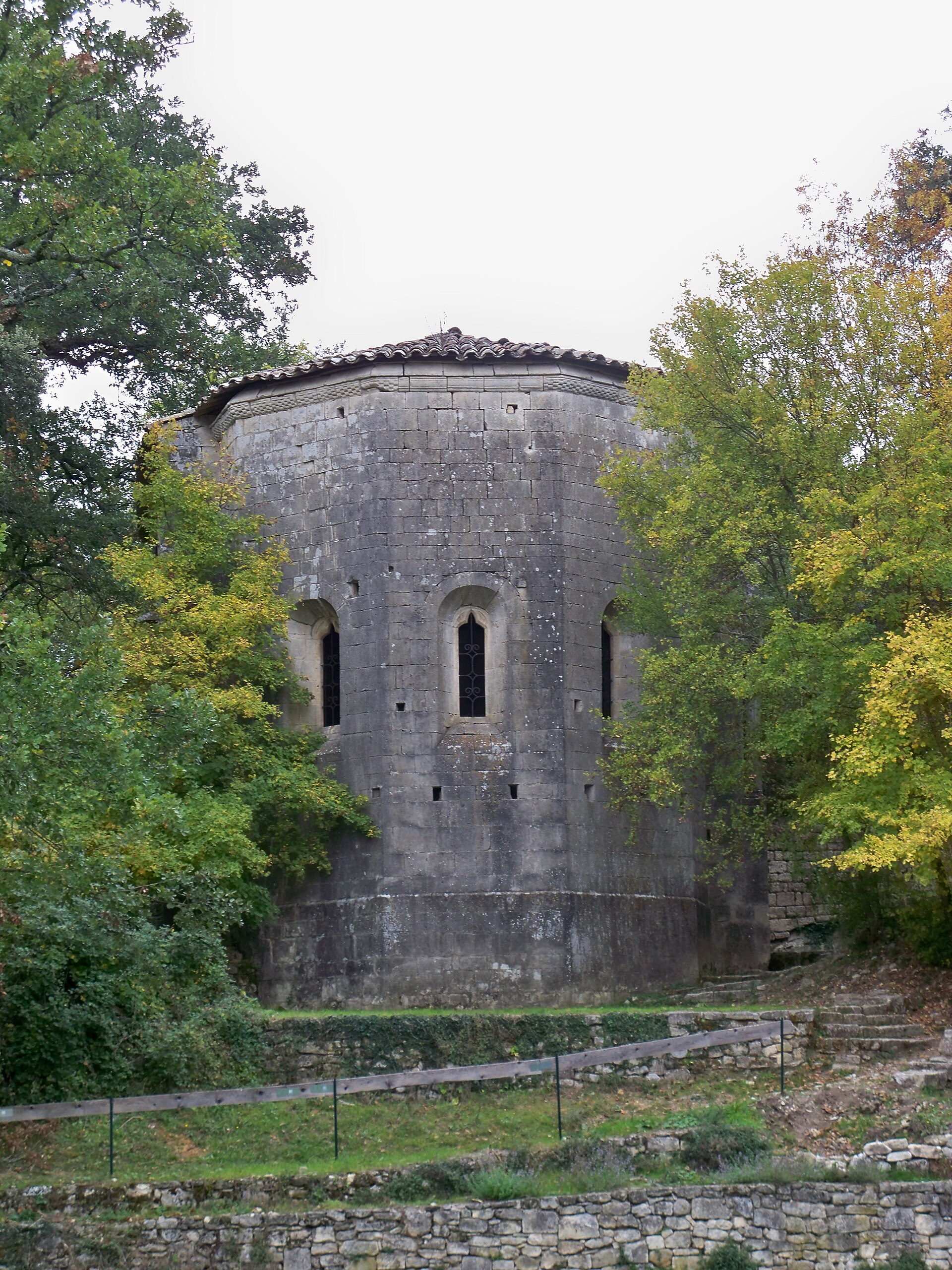
The location was already occupied in Gallo-Roman times by a rural villa. On its remains, probably in the 5th or 6th century, a small funerary basilica was built. Written records first mention a priory dedicated to Notre-Dame here in the 11th century, and the Romanesque chapel still standing today was raised in the 12th century, surviving in remarkably good condition. A century later, in the 13th century, the monks added a residential building and an enclosure wall around the priory grounds. Monastic life gradually faded out, and by the late 15th or early 16th century the monks had left the priory for good; a Renaissance-style dwelling was added to the complex in a later building phase.
What does the priory complex look like today?
At the heart of the site stands the 12th-century Romanesque church, where contemporary stained-glass windows designed by the artist Aurélie Nemours provide a striking contrast with the medieval stonework. The former Renaissance residence now houses museum displays devoted to the everyday life and culture of the people of Haute-Provence. Together, the church, the old monastic buildings and the surrounding grounds cover a site of roughly six hectares.
What are the ethnobotanical gardens about?
Several themed gardens have been laid out around the priory buildings, designed not simply for ornament but to illustrate how the people of the region have related to plants across the centuries. Among them are a medieval garden showing plants that were useful in that era, a garden of household and medicinal herbs, and a scented garden bringing together fragrant species. Altogether the gardens cultivate roughly 1,700 plant species and varieties.
How did the museum come about?
The former priory passed into the hands of the municipality of Mane in 1981. Three years later, in 1984, it was transferred to the regional council of Alpes-de-Haute-Provence, which carried out its restoration and opened the museum on site. The institution holds the "musée de France" label as well as the "jardin remarquable" distinction, and operates as an ethnopôle specializing in rural ethnology, with a particular focus on ethnobotany. Its collections include more than 15,000 ethnographic objects documenting the region's traditional crafts, customs and domestic life.
Frequently asked questions
Where exactly is the Prieuré Notre-Dame de Salagon located? It sits within the commune of Mane, in the Alpes-de-Haute-Provence department, in the Provence-Alpes-Côte d'Azur region of France.
Is this the same place as the Prieuré de Châteauneuf? No. A separate priory, the Prieuré de Châteauneuf, stands a few kilometers away within the same commune of Mane. The two are distinct historic sites with different histories.
What can visitors see on site? The Romanesque church with its Aurélie Nemours stained-glass windows, the former Renaissance residence housing the museum's exhibits, and the themed ethnobotanical gardens spread across several hectares.
Can the gardens be visited separately from the museum? The gardens form an integral part of the Salagon museum complex and are visited together with the exhibitions, following the site's usual visiting arrangements.
What kind of plants grow in the Salagon gardens? The collection totals around 1,700 species and varieties, ranging from medicinal and household plants known since the Middle Ages to the aromatic species grown in the scented garden.
Nearby places

Earn badges for the places you visit
Download NextOnTrip, discover new places and check off your trails.