About this place
Kornati National Park is an archipelago of nearly 90 islands, islets and reefs scattered across the central Adriatic, close to Murter and Šibenik. Established in 1980, the park protects the most densely packed island group in the entire Mediterranean, covering roughly 220 square kilometres of land and sea. It's a destination for travellers drawn to raw, rocky scenery and quiet far from crowded beaches.
What will you see in the park?
Kornati's landscape is made up of barren limestone islands with jagged white cliffs, locally called "crowns" (kruna), that drop straight into the sea on the islands' seaward side. The contrast between pale rock, dark scrub and turquoise water is the park's signature image and draws photographers and sailors from across Europe. No one lives on the islands year-round and there are no freshwater springs; farmers from Murter and Dugi Otok once sailed over seasonally to tend olives and vines, and the dry-stone walls they built still crisscross many islands. The surrounding waters are popular with divers and snorkellers thanks to excellent visibility and rich marine life.
How do you get to Kornati?
There's no road or scheduled ferry into the park, and no regular public transport serves it. The simplest option is a full-day boat excursion from Murter, the closest mainland town to the park's borders, offering the shortest and usually cheapest trips. Excursions also depart from Zadar, Šibenik, and Sali on the island of Dugi Otok. Most tour prices include the boat ride, the park entrance ticket, and often a lunch stop with time to swim. Visitors with their own boat or yacht can sail in independently after buying an entrance ticket online or from a sales point before departure.
How much does it cost and when should you go?
Entrance fees vary by season, with peak summer rates noticeably higher than spring or autumn, so it's worth checking current prices and buying a ticket in advance, since agency prices are often cheaper than paying on arrival. The best months to visit are May through September, when the sea is warm and sailing and diving conditions are at their best. July and August tend to be the busiest on popular excursion routes, so travellers who prefer fewer crowds might consider June or September instead.
What should you know before visiting?
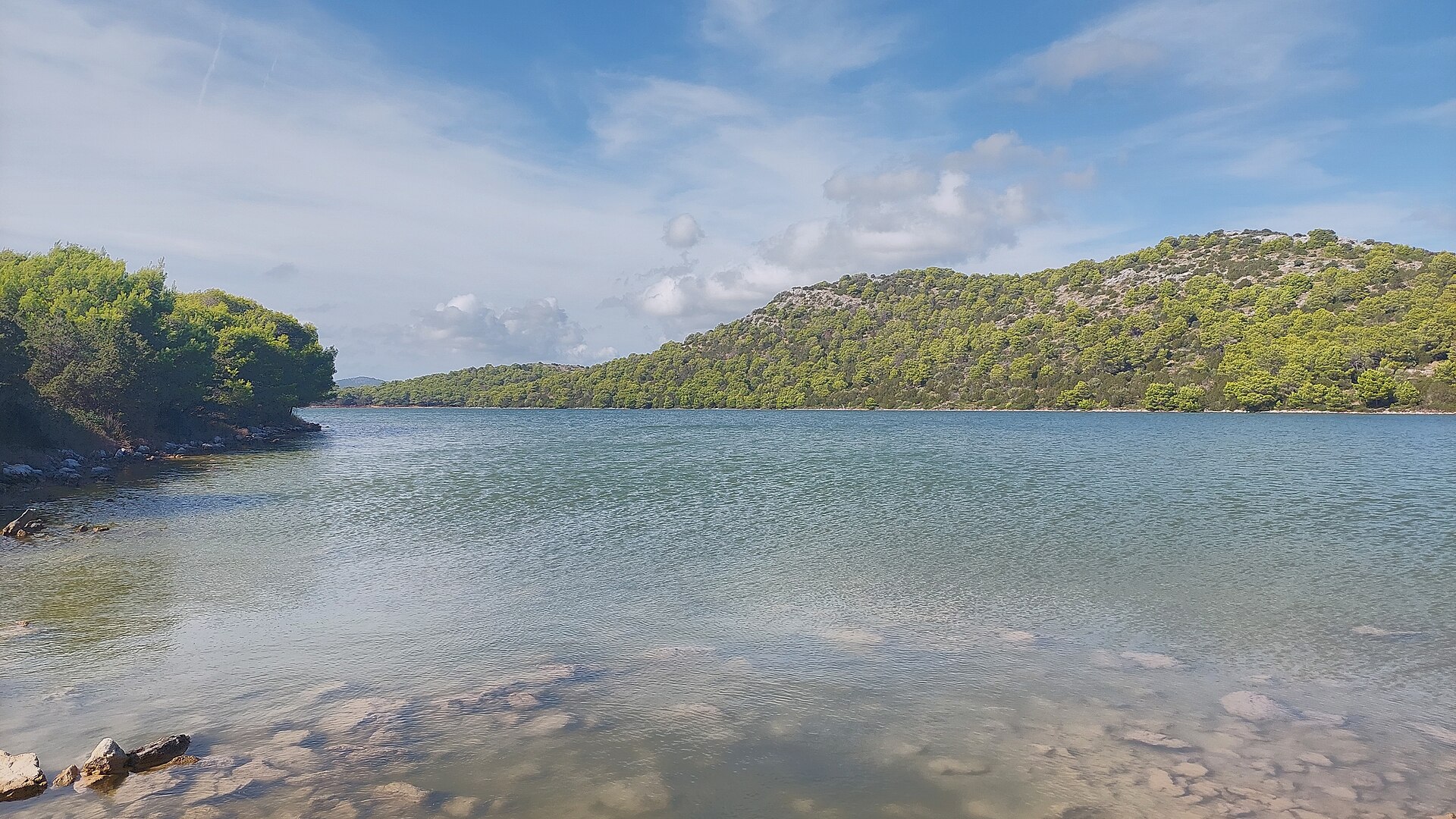
Because there's no fresh water and little shade on most islands, bring enough to drink, a hat, and sunscreen. Sturdy shoes help on the rocky, uneven terrain — most island paths are dry, unmarked tracks without tourist infrastructure. Kornati sits right next to Telašćica Nature Park on Dugi Otok, and the two are frequently combined into a single boat trip, letting visitors see both the scattered island archipelago and Telašćica's cliffs and salt lake in one day.
Frequently asked questions
Can you visit Kornati without booking an organised tour? Yes, but you need your own boat or yacht and a park entrance ticket — without water transport there's no other way onto the islands.
How many islands make up the Kornati archipelago? The park includes around 89 islands, islets and rocks, stretching between Dugi Otok in the north and Žirje in the south.
Can you stay overnight on the islands? Overnight options are very limited — most visitors see the park on a single-day boat excursion and return to the mainland in the evening.
Are there beaches for swimming in the park? Yes, many boat trips stop in bays with clear water for swimming, though the beaches are rocky rather than sandy.
Nearby places

Earn badges for the places you visit
Download NextOnTrip, discover new places and check off your trails.