About this place
Palauet Nolla is a small palace in Meliana, a town just north of Valencia, closely tied to the history of Spain's famous ceramic mosaic industry. Also known as Villa Yvonne, the building stands right next to the former Nolla factory complex and remains one of the most striking reminders of the era when Meliana became an internationally recognized center of ceramic manufacturing.
How do you get to Palauet Nolla?
Meliana lies a short distance north of downtown Valencia, well connected by local train and regional roads. A drive from central Valencia typically takes around 20 minutes, and public transport takes a similar amount of time. The palace sits within the grounds of the old factory complex, so it's worth checking the exact address and nearby parking options before setting off.
What will you see there?
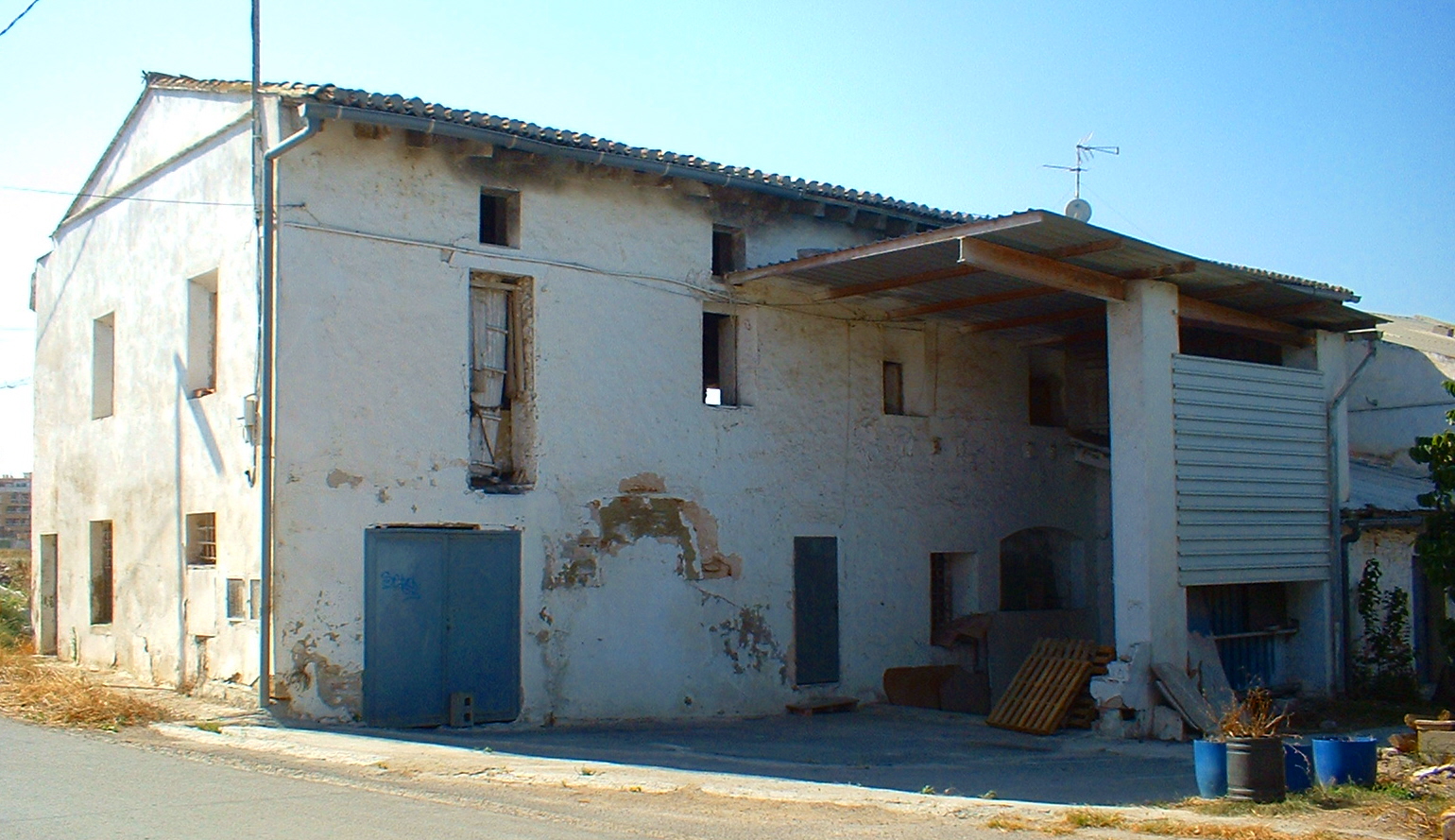
The building started out as a rural farmhouse in the late 17th century and went through numerous alterations over the following decades, gradually shifting from an agricultural to a residential character. The turning point came in 1860, when owner Miguel Nolla bought the property and built a high-quality ceramic tile factory right beside it. The house slowly evolved into a small palace where the wealthy industrialist entertained prospective high-profile clients — visitors reportedly included members of the Russian imperial Romanov family, as well as Spanish monarchs Alfonso XII and Amadeo of Savoy.
In 1917, Miguel Nolla's sons sold the old production facilities to the Swiss company Gardy S.A., and the palace became the residence of the factory's new director, Óscar Waetzig. His daughter, Yvonne Volozan, lived in the house until the 1980s, which is why it also carries the name Villa Yvonne. After she moved out, the building fell into disuse, remaining abandoned from the 1970s until restoration efforts eventually brought it back to life.
Visiting Palauet Nolla makes more sense once you know about the Nolla mosaic itself — a late-19th-century flooring technique that achieved remarkable international commercial success. The tiles were made from mass-tinted stoneware in monochrome geometric shapes, offering nearly limitless design combinations. They were especially prized during the Modernisme period, when architects and designers were looking for durable, decorative flooring solutions.
When should you visit?
The building is now open to the public and can be visited on weekends — Saturdays and Sundays, in morning and afternoon time slots. Visits must be booked in advance through the Meliana town hall app, which helps avoid crowding and lets you plan around a specific time slot. It's a good idea to book ahead, especially during the summer season, when interest in the region's industrial heritage tends to pick up.
Frequently Asked Questions
Is Palauet Nolla open to visitors? Yes, the building is a public-use site and can be visited on set days of the week after booking a time slot in advance.
Where does the name Villa Yvonne come from? It comes from Yvonne Volozan, the daughter of factory director Óscar Waetzig, who lived in the building until the 1980s.
What is Nolla mosaic flooring? It's a late-19th-century type of ceramic flooring made from mass-tinted stoneware, valued for its durability and rich geometric design possibilities.
Are there other Nolla-related attractions nearby? Yes, the palace stands within the grounds of the former Nolla factory complex, making it easy to combine the visit with the broader story of the ceramic industry in the Valencia region.
Nearby places

Earn badges for the places you visit
Download NextOnTrip, discover new places and check off your trails.