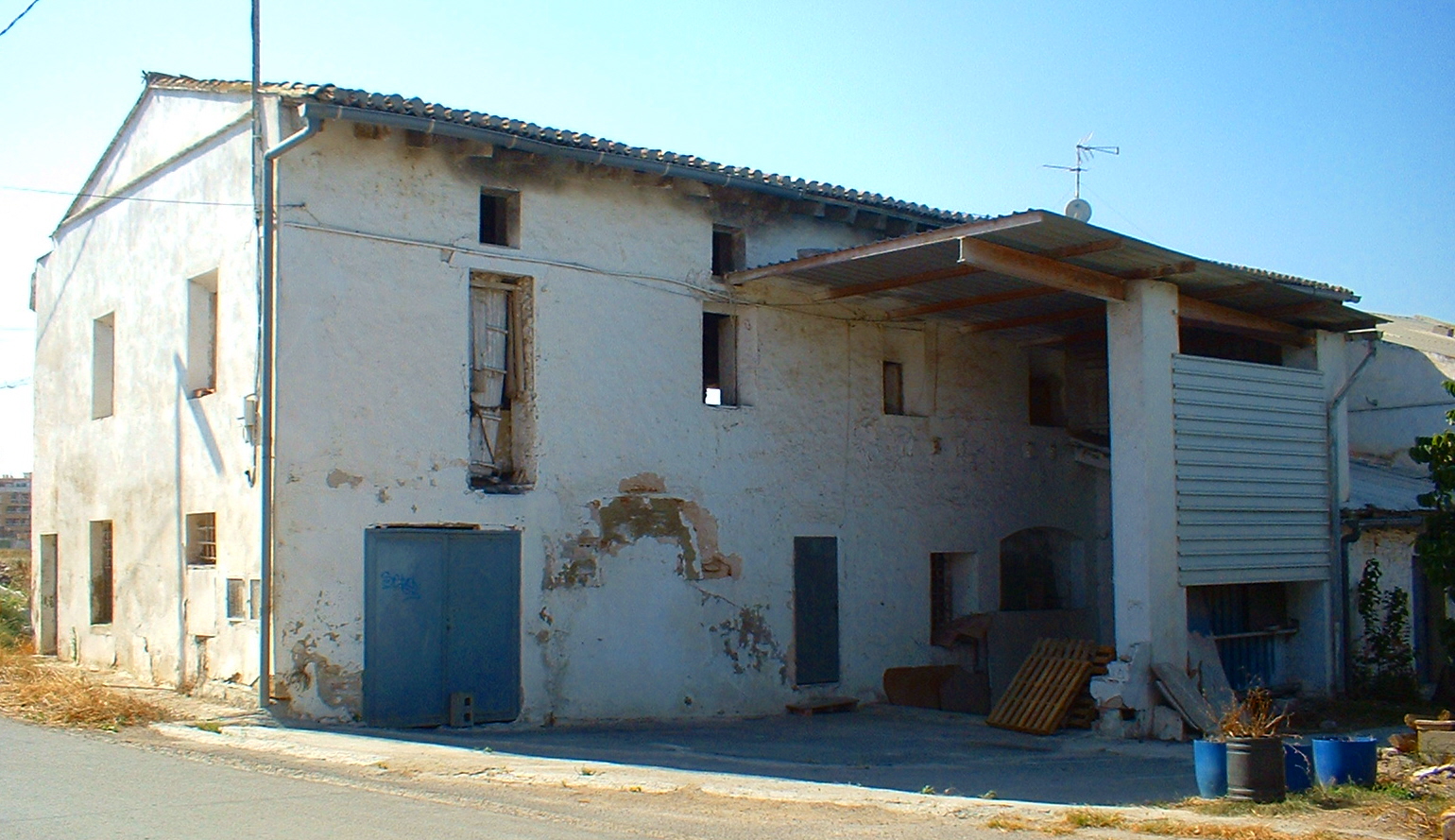
About this place
Molí de la Sal is a historic water mill in Burjassot, a small town right next to Valencia, tucked among the fields and irrigation canals of the historic Huerta de Burjassot. The building stands on the Tormos canal, one of the seven waterways overseen by the famous Tribunal de las Aguas de la Vega de Valencia — a water court that has settled irrigation disputes without interruption since medieval times. The mill itself drew on this canal system for eight centuries, making it one of the most enduring witnesses to the region's agricultural past.
Where does the site's history come from?
Traces of a mill on this spot go back to the 13th century and an even earlier Andalusian mill from the days of the Burjassot alqueria. According to historical research, King Jaime I granted the property to Guillem de Bell-lloc in 1240 — one of the oldest documented facts tied to this location. The structure visible today dates in practice to the 17th century, though the horizontal-wheel water-mill function stayed essentially unchanged for centuries. The name "de la Sal" and its alternative "del Salt" trace back to the local history of how water was used and channelled at this point of the canal.
What will you actually see there?
Molí de la Sal is a good example of the hydraulic architecture typical of the Valencian huerta: a stone mill building built around a horizontal-wheel system, sitting directly on the route of an irrigation canal. The site has been listed as a Bien de Relevancia Local (an asset of local relevance), confirming its cultural value as a witness to centuries of water management in the region. It's worth knowing, though, that the mill is currently in an advanced state of neglect — more of an authentic, weathered landscape feature than a restored monument, reflecting the broader ongoing degradation of heritage across the Huerta de Valencia. Research is underway on how to give it new value, including proposals to turn it into a small museum with historic machinery on display and ethnographic collections.
How do you get to Molí de la Sal?
Burjassot sits right next to Valencia, well connected to the city center by metro and bus — making it one of the more accessible heritage sites in the Huerta de Valencia. The mill stands among fields irrigated by the Tormos canal, so reaching it means walking through a classic huerta landscape: vegetable plots, irrigation channels and dirt tracks linking the smallholdings.
When should you visit?
Spring and autumn are the best times, when temperatures around Valencia are mild and the huerta fields are in full cultivation. Summer heat can make longer walks across open ground uncomfortable, while in winter the canals tend to be quieter outside the main irrigation season. Since the site has no formal visitor infrastructure, it's worth timing a visit for daylight hours with good light, so you can properly take in the canal layout and the mill's construction.
Frequently asked questions
Can you go inside Molí de la Sal? The building is in a neglected state and isn't set up as a staffed, guided attraction — it's mainly viewed from the outside, as part of the historic huerta landscape.
How old is the mill? The site's history goes back to the 13th century and an earlier Andalusian mill, with a documented grant from King Jaime I dating to 1240. The structure standing today is essentially a 17th-century building.
What is the Tribunal de las Aguas connected to the mill? It's a historic water court overseeing eight irrigation canals of the Huerta de Valencia — Tormos is one of them — that has resolved farmers' water disputes since medieval times and still operates today.
Why is the mill in such poor condition? It reflects a wider pattern of heritage decline across the Huerta de Valencia. Researchers are currently studying proposals to restore and revalue the site, including turning it into a small museum space.
Nearby places

Earn badges for the places you visit
Download NextOnTrip, discover new places and check off your trails.