About this place
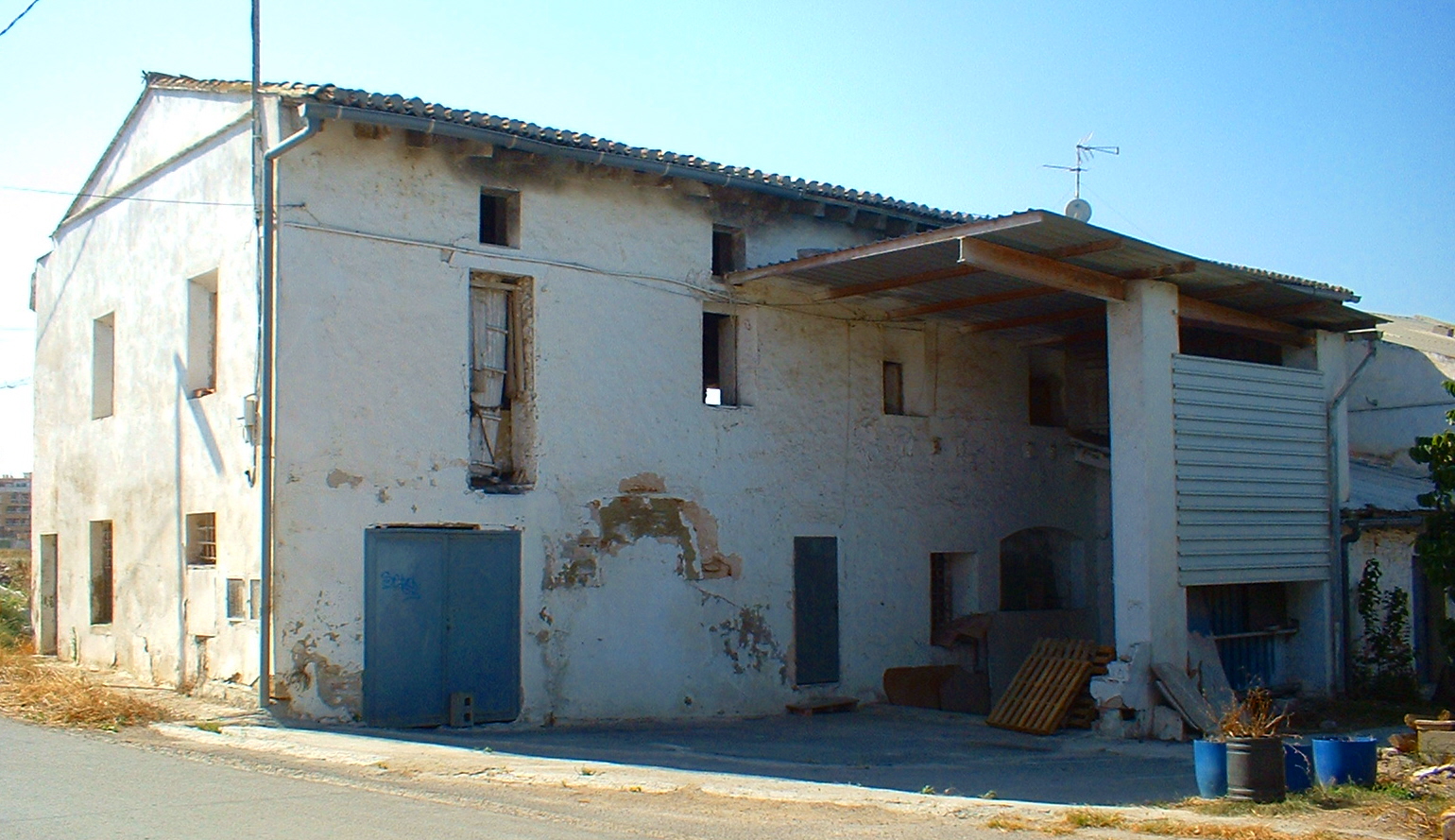
Casa de la Sirena is a Renaissance and Baroque manor house standing amid the orchards and market gardens of the Valencian huerta in Alfara del Patriarca, a small town in the province of Valencia that borders the neighbouring settlement of Benifaraig. Also known locally as Casa de la Serena, Casa de la Torre or Casa de los Ferragud, the building was declared a Bien de Interés Cultural in 2004 — Spain's highest level of heritage protection, reserved for sites of exceptional historical or artistic value.
Where does the name come from?
The name is no accident. Above the entrance sits a noble coat of arms, and carved around it is a striking figure — a creature with a woman's head and a coiled, serpent-like body, evoking the mermaids of old maritime legend. An inscription on the shield dates this carving precisely to 1553. It's this sculpted figure that gave the house its popular name, "Casa de la Sirena" (House of the Mermaid), though local sources also refer to it as "Casa de la Serena."
What should you know about the architecture?
Construction stretched across several centuries, from the 1500s through the 1700s, which is why the building blends two distinct styles — the more restrained, symmetrical lines typical of the Renaissance period, layered with the richer, more ornamental Baroque details added during later expansions. This kind of gradual growth is characteristic of noble country estates across the Valencia region, where wealthy families kept extending their rural residences over generations, adding wings, towers or defensive features as their needs and resources evolved.
How do you get to Casa de la Sirena?
Alfara del Patriarca sits right on the northern edge of the Valencia metropolitan area, just outside the city itself. Local roads connect it easily to neighbouring towns, including Benifaraig, whose built-up area runs so close to Alfara del Patriarca that the boundary between the two barely registers on the ground. For anyone exploring Valencia by car, or spending a few extra days in the wider region, reaching Alfara del Patriarca from the city centre typically takes no more than twenty or thirty minutes.
What can you actually see there?
Because the house is a protected heritage building and remains a private residence, most visitors take it in from the outside — admiring the overall structure, the stonework detailing, and above all that carved mermaid figure crowning the coat of arms. It's a rewarding stop for anyone interested in the historic architecture of the Valencia region. The surrounding huerta itself adds to the experience: a patchwork of cultivated plots, irrigation channels and small farmsteads that offers a vivid sense of how noble country houses once functioned within a working agricultural landscape.
When is the best time to visit?
Given the rural, agricultural setting, spring and autumn offer the most comfortable conditions, with milder temperatures than the height of summer and the surrounding fields and orchards at their most scenic. Summer heat can make longer walks around the area uncomfortable, though a visit to the house itself doesn't require much time.
Frequently asked questions
Can you visit the inside of Casa de la Sirena? The building is a protected private residence, so interior access is typically limited — it's worth checking locally before planning a visit.
Why is it called the "House of the Mermaid"? Because of the carved mermaid-like figure surrounding the noble coat of arms above the entrance, with an inscription dating it to 1553.
Is it worth combining with a trip to Valencia? Yes — Alfara del Patriarca is close enough to the city of Valencia that the house fits easily into a day trip around the metropolitan area.
What architectural style does the building represent? It combines Renaissance and Baroque elements, the result of construction and expansion carried out between the 16th and 18th centuries.
Nearby places

Earn badges for the places you visit
Download NextOnTrip, discover new places and check off your trails.