About this place
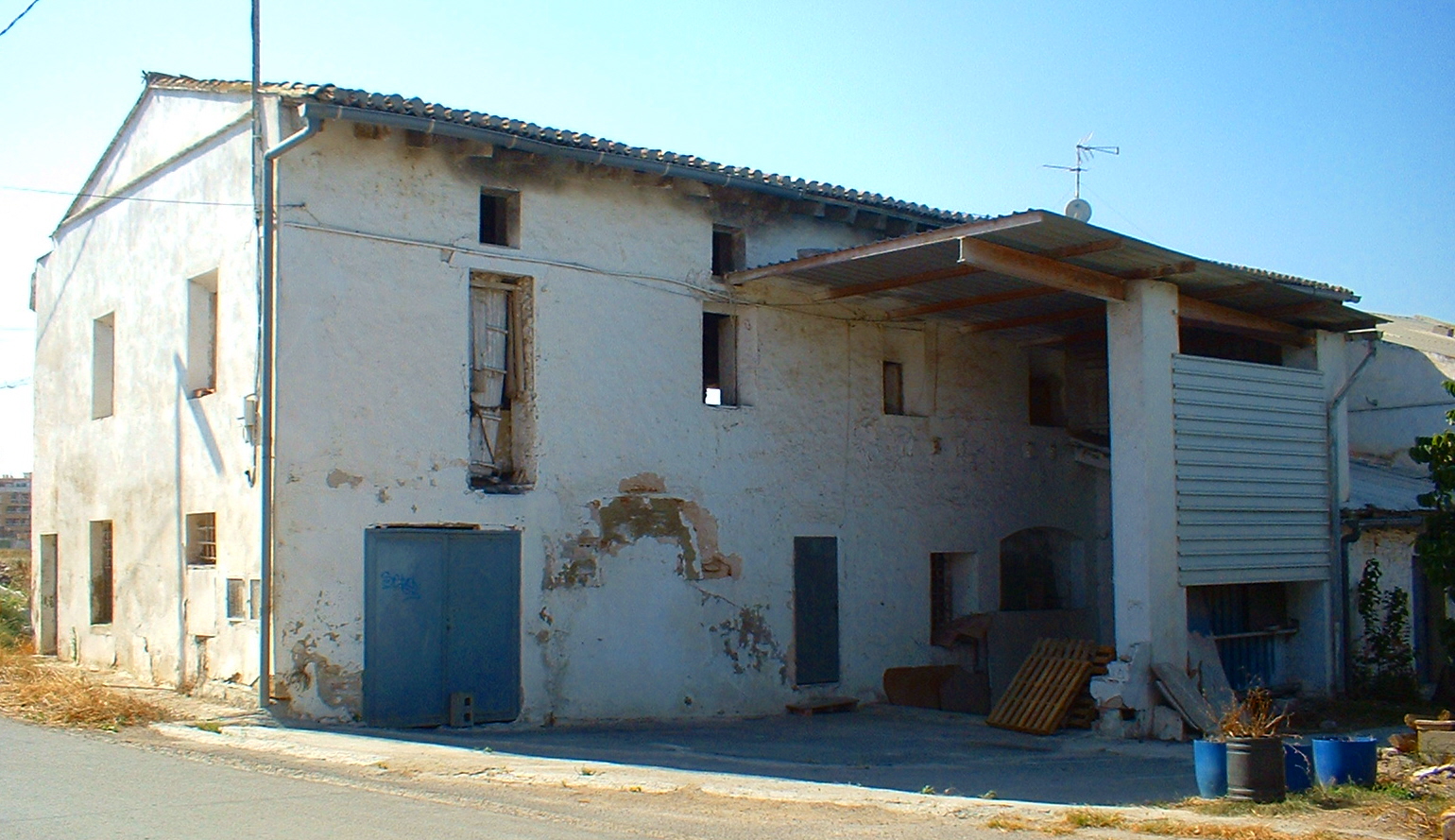
Molí de Pobres is a historic water mill in Valencia, standing in the Campanar district within the city's traditional irrigation network fed by the Turia river.
Where is Molí de Pobres located?
The mill sits in the western part of Valencia, in the Campanar district, within the huerta — the fertile, irrigated farmland that has surrounded the city for centuries. It stands near the head of the Petra acequia and the Rascanya acequia, two channels belonging to Valencia's extensive irrigation system, one of the oldest surviving networks of its kind in Europe. Right next to it stands another mill from the same system, Molí de Llovera, suggesting both were built as part of a single water-powered economic setup drawing on the Turia.
What kind of place is Molí de Pobres?
It is a water mill — a structure that harnessed the flow of the acequia to drive a grinding mechanism. The name "Molí de Pobres" translates literally as "mill of the poor." Mills of this kind were part of the working infrastructure of Valencia's huerta, where the acequia network has, since medieval times, done double duty: irrigating fields and powering mills that ground grain or rice for local communities.
Historical context of the area
The neighboring Molí de Llovera, located on the same branch of the Tormos acequia in the Alt de Campanar area, has a documented history going back to the 17th century, with some references pointing to earlier origins. It operated as both a flour and rice mill, gained steam-powered machinery in the 19th century, and kept running into the 20th century using electric power. Detailed historical records for Molí de Pobres itself are scarce, but its position along the same irrigation channels points to shared roots in Valencia's huerta milling system.
Is it worth visiting?
Molí de Pobres is not a conventional tourist attraction — it survives as a trace of the city's economic past, of interest mainly to travelers curious about the history of irrigation and milling around Valencia. For anyone wanting a genuine look at the huerta landscape and the acequia network, the Campanar area offers a useful stop, showing how water shaped daily life here long before the city's modern expansion.
Frequently Asked Questions
What does the name Molí de Pobres mean? Translated literally from Valencian/Catalan, it means "mill of the poor."
Where exactly is the mill located? In the Campanar district of Valencia, near the head of the Petra acequia and the Rascanya acequia, close to another historic mill, Molí de Llovera.
Can the mill be visited? Available information does not indicate the site is open as a museum or organized tourist attraction — it remains part of the local huerta landscape.
Are there other similar mills nearby? Yes — the closest is Molí de Llovera, a mill with documented history since the 17th century that operated as a flour and rice mill before later running on steam and electric power.
Nearby places

Earn badges for the places you visit
Download NextOnTrip, discover new places and check off your trails.