About this place
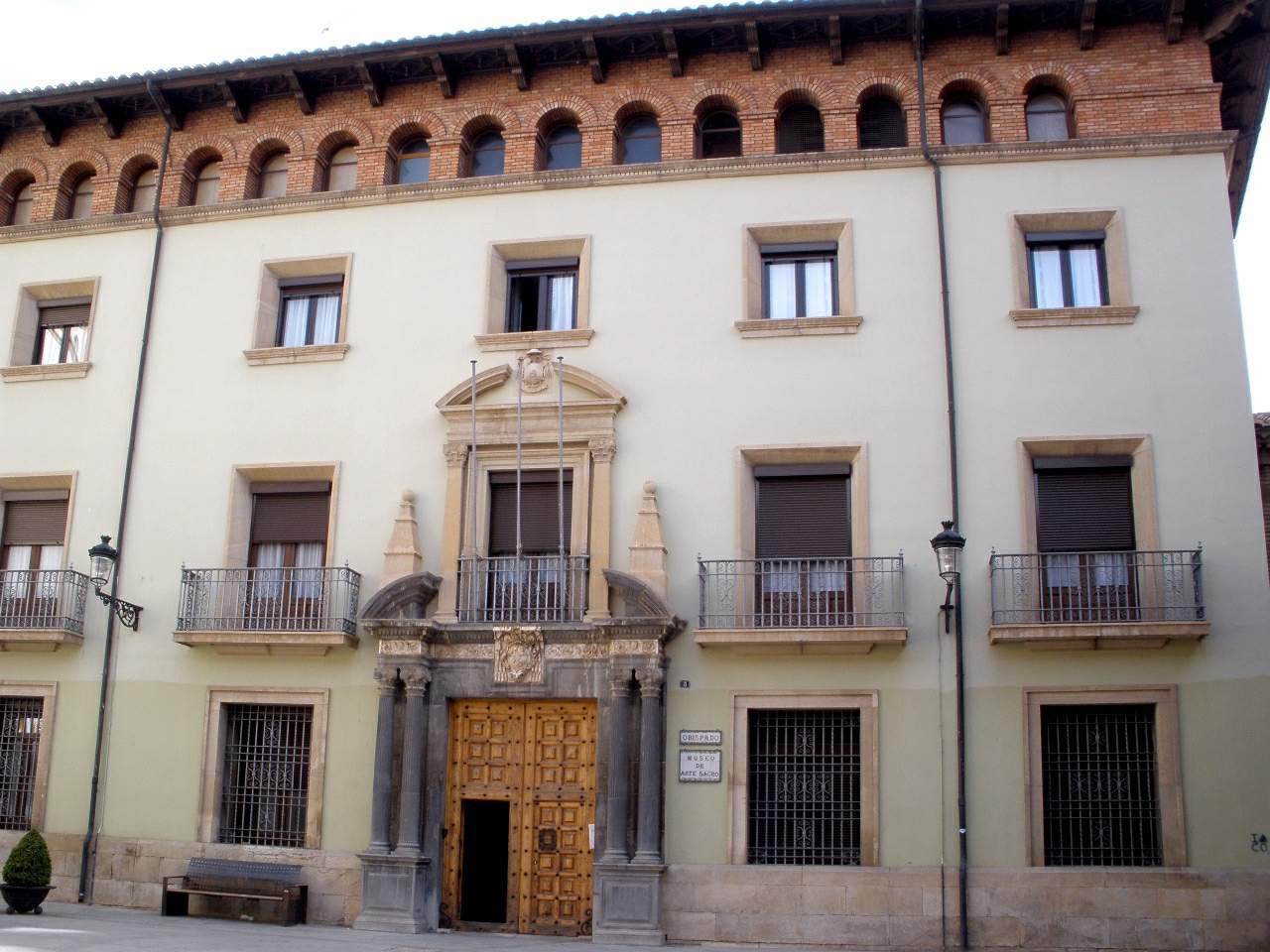
Palacio de la Casa de la Comunidad is one of the most impressive Renaissance civil buildings in Teruel, today home to the Museo de Teruel.
Where does this building come from?
The story starts in 1177, when King Alfonso II granted Teruel a set of charters (fueros) that made the city head of the Comunidad de Teruel — an alliance of eighty neighboring villages formed to defend their shared interests. For centuries this community needed a proper seat for its political and judicial bodies, and in 1592 construction began on the palace that still stands today, designed by master builders Juan de Rigol and Pedro de Heredia.
What makes the architecture stand out?
The building was raised in ashlar masonry, drawing on the Renaissance palatial architecture typical of Aragón. Its facade and interiors combine the solidity of cut-stone construction with decorative details characteristic of the period, making it one of the best-preserved examples of civil Renaissance architecture in the region.
What happened to the palace after the Comunidad declined?
Nineteenth-century disentailment reforms gradually stripped the Comunidad de Teruel of its political power, even though it kept its seat in the building. From 1837 onward, the palace housed a succession of institutions: the Provincial Deputation, a secondary school, and later the headquarters of political parties. This continuous reuse is what kept the building alive through the centuries, even as its function kept changing.
When did today's museum open?
In 1972 the Provincial Deputation of Teruel acquired the building with the goal of turning it into a provincial museum. Between 1977 and 1985 it underwent a thorough restoration that recovered the original layout and room divisions and brought back to light the surviving ornamental details. The Museo de Teruel officially opened its doors in 1987. Earlier, in 1974, the building itself had already been declared a National Historical-Artistic Monument.
What will you see inside?
The museum's exhibits spread across five floors of the palace. You'll find a rich archaeological collection that traces settlement in the area from prehistory to the Middle Ages, with particular emphasis on Iberian culture. The second pillar of the collection is ethnographic, documenting the traditional material culture of the Teruel province — tools, costumes, and everyday objects used by past generations. The museum also holds a contemporary art collection, which is not yet open to visitors.
How do you get there, and when should you go?
The palace sits in Teruel's historic center, within easy walking distance of the city's main landmarks, such as the cathedral and the Mudejar towers. The museum is open Tuesday to Friday from 10:00 to 14:00 and 16:00 to 19:00 (extended to 21:00 during temporary exhibitions), and on weekends from 10:00 to 14:00; it is closed on Mondays. Morning visits are worth planning for — the building is quieter then, and natural light brings out the stone details on the facade at their best.
Frequently asked questions
Are the Palacio de la Casa de la Comunidad and the Museo de Teruel the same place? Yes. The Museo de Teruel occupies the historic Casa de la Comunidad building — "palace" refers to the architecture itself, while "museum" is the institution that has operated inside it since 1987.
How long does a visit take? With five floors of archaeological and ethnographic exhibits, plan on roughly 1 to 1.5 hours for an unhurried visit.
Is admission to the museum free? Opening hours vary by day of the week, so it's worth checking the current pricing and schedule right before your visit, since both can change seasonally.
Why does the building hold national monument status? Thanks to its outstanding architectural value — it's one of the best-preserved examples of Renaissance civil architecture in Aragón — the palace was declared a National Historical-Artistic Monument in 1974.
Nearby places

Earn badges for the places you visit
Download NextOnTrip, discover new places and check off your trails.