About this place
The Episcopal Palace of Teruel stands among the most significant historic buildings in the old town of Teruel, the small provincial capital in Aragon famous for its UNESCO-listed Mudéjar architecture. The palace was begun in the closing years of the 16th century as the residence of the bishops of the diocese of Teruel and Albarracín, and it still carries out functions tied to the local Church today.
What does the palace look like from the outside?
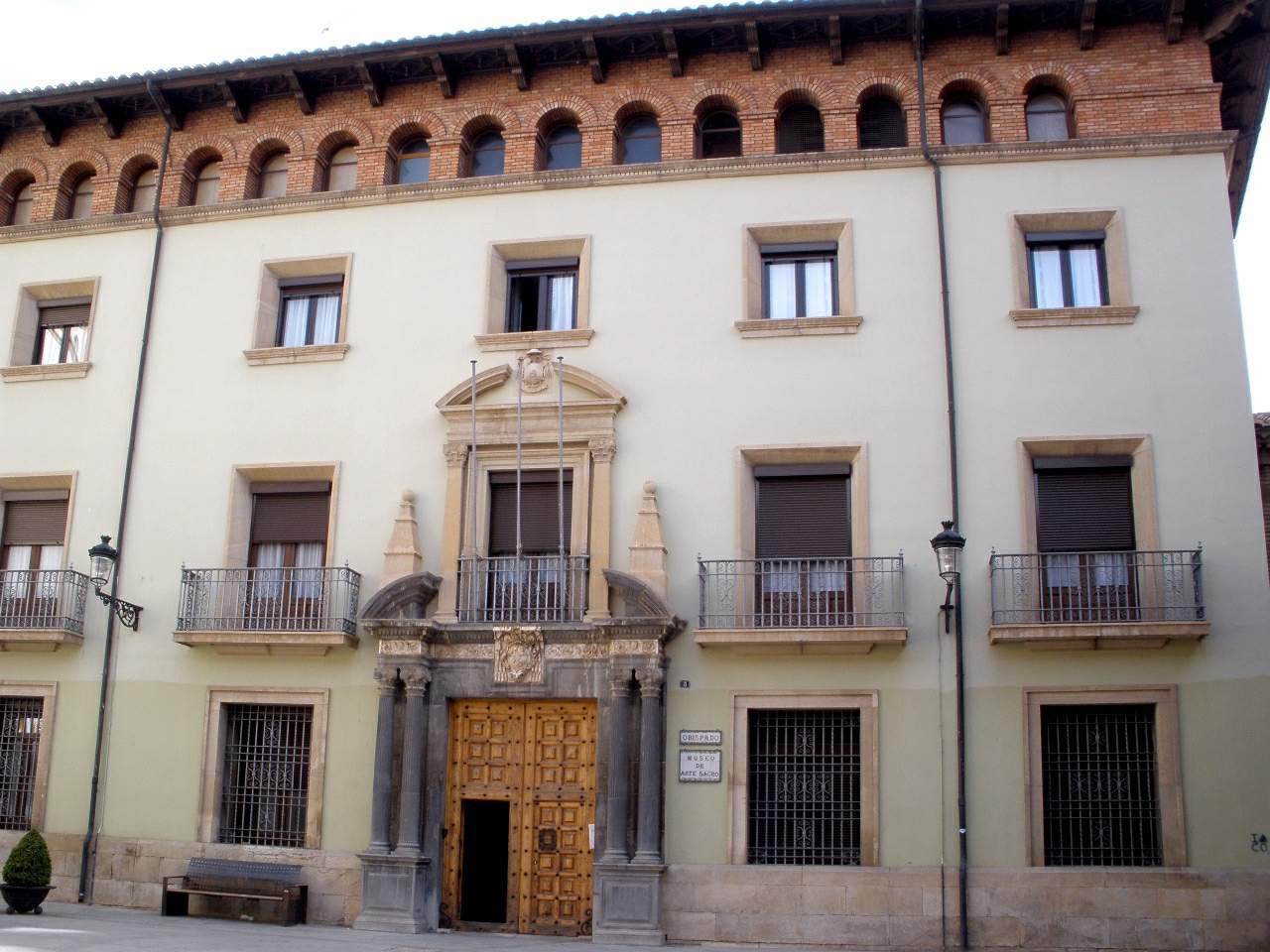
The building's façade is sober and restrained, in keeping with the architectural conventions of ecclesiastical buildings of its era in the region. Its focal point is a doorway flanked by two columns and topped by a triangular pediment — a classicizing touch that gives the entrance a dignified presence without excessive ornament.
What is inside the palace?
The interior is organized around a central courtyard onto which two cloisters open. A monumental staircase climbs from the lower level to the upper cloister and to the "noble" section of the palace — the formal quarters reserved for the bishop. This upper floor once held the bishop's private chambers, reception rooms, and a throne room, where the bishop received visitors and carried out official duties.
During later renovation work, the originally open central courtyard was enclosed with a glass vault. This roofing protects the interior from the weather while preserving natural light, and it has allowed the courtyard space to be used for temporary exhibitions.
What can visitors see there today?
The palace building now houses the Museo de Arte Sacro (Museum of Sacred Art) of the diocese of Teruel and Albarracín. The museum gathers and displays religious art connected to the diocese's history, ranging from liturgical objects to paintings and ecclesiastical craftsmanship. The collection lets visitors explore the region's sacred heritage inside a genuinely historic palatial setting.
Why combine a visit with the rest of Teruel?
Teruel is a compact but distinctive city: its historic center is known for a group of Mudéjar buildings — including church towers and the Cathedral of Santa María — inscribed on the UNESCO World Heritage List. The city is also known for the legend of the Lovers of Teruel (Los Amantes de Teruel), which has become part of its local cultural identity. As part of this historic fabric, the Episcopal Palace is a natural stop on a walk through the old town.
Frequently Asked Questions
What was the Episcopal Palace of Teruel originally used for? It was built in the late 16th century as the residence of the bishops of the diocese of Teruel and Albarracín, housing the bishop's private rooms, reception rooms, and a throne room.
What can visitors see in the palace today? The palace houses the Museo de Arte Sacro of the diocese of Teruel and Albarracín, displaying religious art connected to the region's history.
What is the architectural style of the building? The façade is sober, with an entrance flanked by two columns and topped by a triangular pediment. Inside, a central courtyard with two cloisters and a monumental staircase leads to the palace's formal upper floor.
Is the courtyard covered? Yes — renovation work enclosed the originally open central courtyard with a glass vault, which now allows the space to host exhibitions.
Nearby places

Earn badges for the places you visit
Download NextOnTrip, discover new places and check off your trails.