About this place
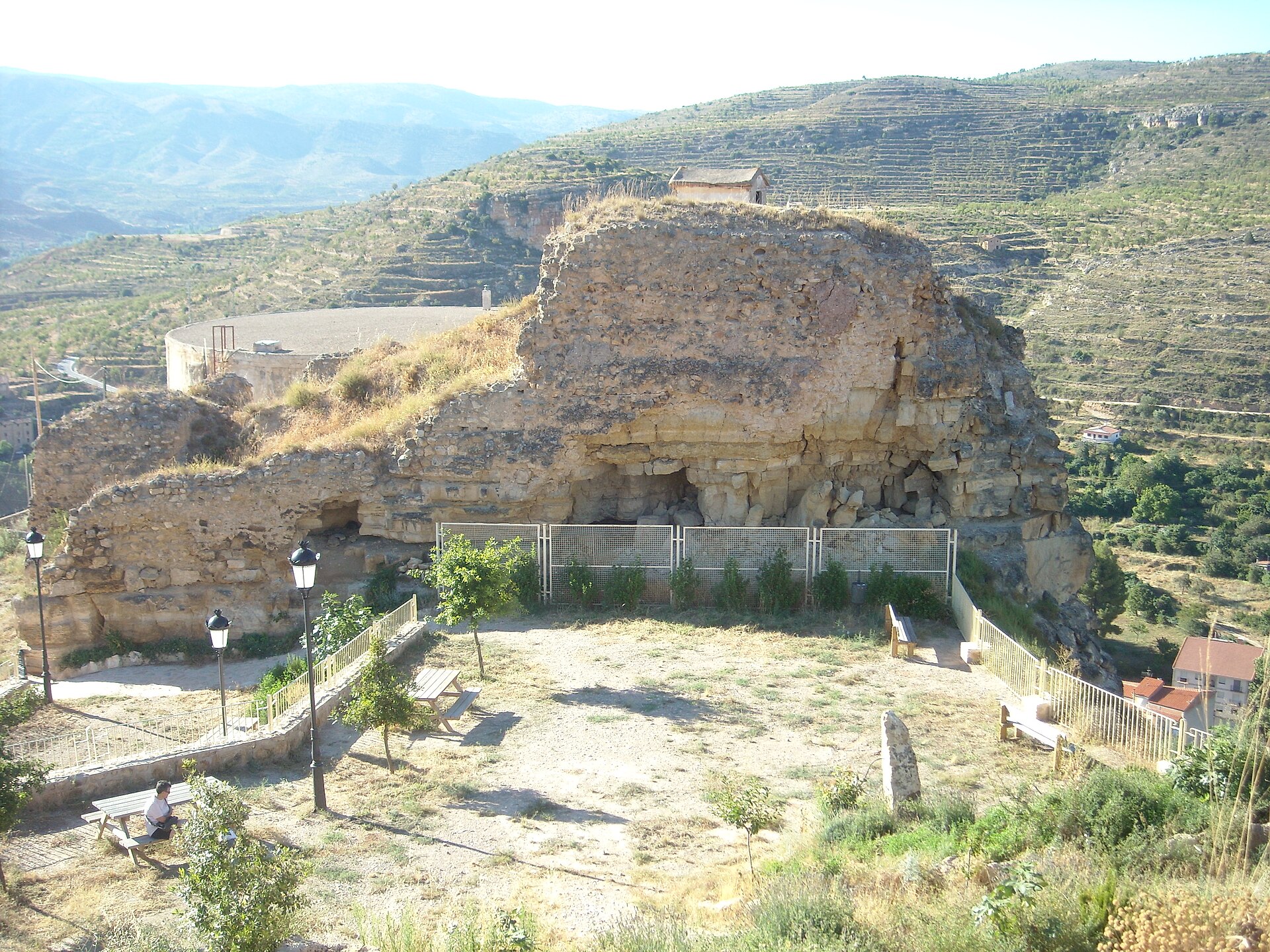
Castle of Castielfabib stands in the small Royal Village that shares its name, in the Valencia province of Spain, at the heart of the Rincón de Ademuz — a comarca entirely surrounded by Aragonese territory. Little remains of the fortress as a single structure today; its stones are scattered across the village, and its former keep now serves as the parish church.
Where is the castle located?
The site sits in Castielfabib itself, the main town of the Rincón de Ademuz, a small pocket of Valencia province cut off from the rest of the region by the surrounding lands of Aragon. Its coordinates place it at roughly 40.13°N, 1.30°W. This geographic isolation has shaped the fortunes of the local defences for centuries, the castle included.
What is the history behind the fortress?
Early settlement and Muslim-era origins
The ground on which the castle stands had been settled long before the fortress itself was built — archaeologists have found traces of both Iberian and Roman occupation in the area. The stronghold itself dates from the period of Muslim rule, raised as a defensive point guarding this mountainous frontier.
Conquest, reconquest, and final conquest
In 1210, King Peter II of Aragon took the castle after a long siege — and during the campaign he presided over the general Corts of Aragon on site for three days. The victory did not last: Muslim forces retook the fortress before King James I of Aragon secured it for good.
A border post between Aragon and Castile
By the 14th century the castle had become strategically important again, this time as a strongpoint in the border disputes between the Crown of Aragon and the Crown of Castile — the Rincón de Ademuz sat directly on the frontier between the two kingdoms.
Later wars, into the 20th century
The fortress kept a role in conflicts long after the medieval period. In 1835, during the First Carlist War, it was rebuilt and reinforced, only for government troops to demolish the new fortifications once they recaptured it. The castle also carried strategic weight during the Peninsular War against Napoleon and the later Carlist Wars, and in the 20th century during the Spanish Civil War, a conflict in which much of its remaining heritage was lost for good.
What survives of the castle today?
The old keep has been converted into the parish church of Our Lady of the Angels, recently restored. Inside, the church still preserves traces of Gothic and Romanesque wall paintings, evidence of the building's long and layered past. Beyond the keep-turned-church, further remnants of the castle's defensive walls are scattered throughout Castielfabib, woven into the fabric of the modern village.
Frequently Asked Questions
Who built the Castle of Castielfabib? The fortress was raised during the period of Muslim rule, on ground that had already been settled since Iberian and Roman times.
When did the castle pass into Christian hands? King Peter II of Aragon first took it in 1210, though the area was only permanently secured for the Crown of Aragon later, under King James I.
Can visitors see the castle today? Its former keep now functions as the active parish church of Our Lady of the Angels, while other fragments of the old defensive walls can be found scattered around the village.
What happened to the castle during the wars of the 19th and 20th centuries? It was rebuilt and then partly demolished during the First Carlist War in 1835, and much of its remaining heritage was lost during the Spanish Civil War.
Nearby places

Earn badges for the places you visit
Download NextOnTrip, discover new places and check off your trails.