About this place
The Monument to the Fallen of the Simancas Barracks in Gijón is a war memorial built into the facade of what is today the Colegio de la Inmaculada, a Jesuit-run school that, before the Spanish Civil War, served as the barracks of the 40th Mountain Infantry Regiment "Simancas." The site is tied to one of the longest sieges of the civil war in Asturias, an episode that unfolded over the summer of 1936.
Where exactly is the monument located?
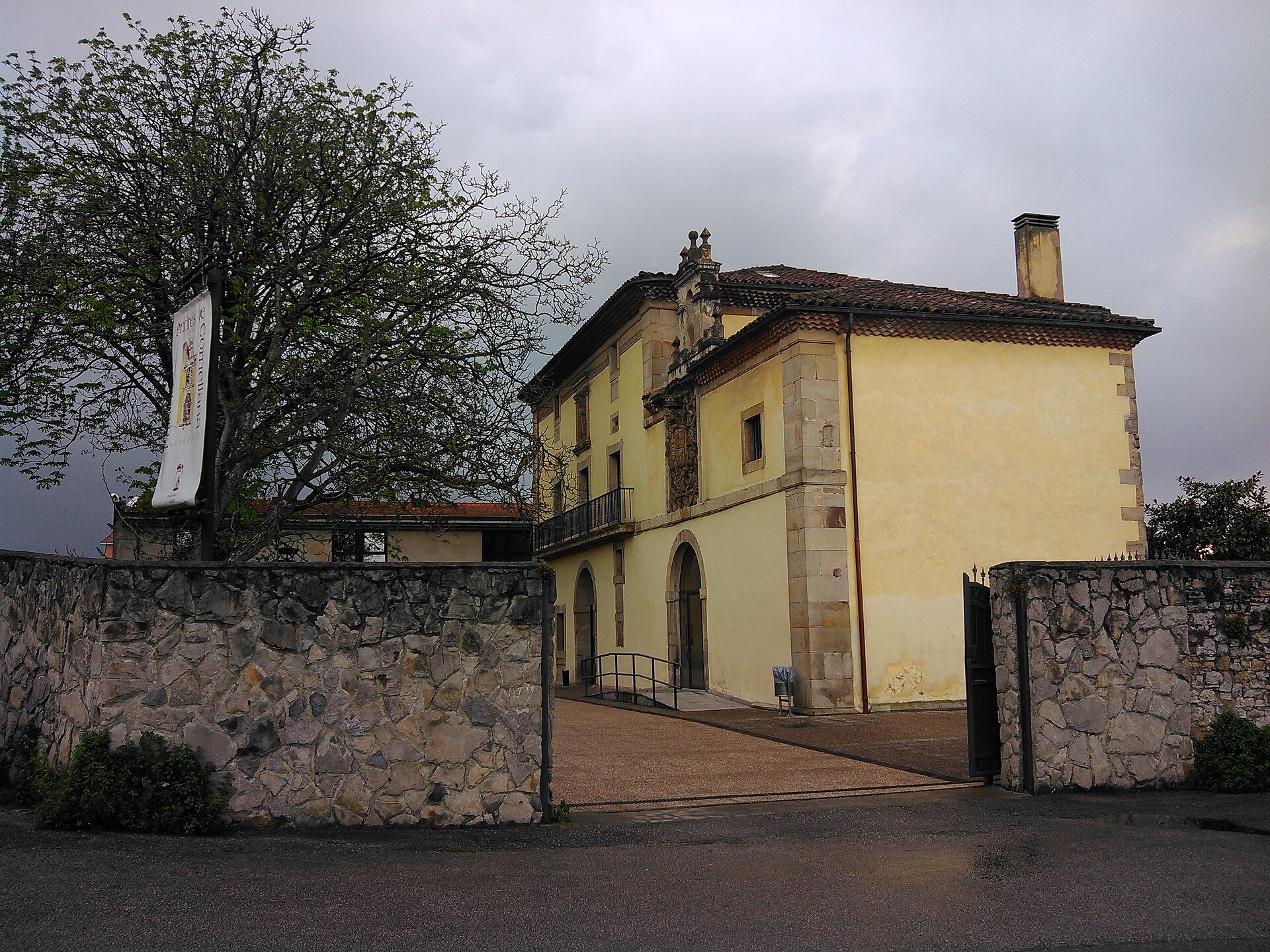
The former barracks building stands in Gijón and now functions as a private school run by the Society of Jesus. The sculpted memorial ensemble is set into the building's facade, so it can be viewed from the street, even though the building itself remains private property rather than a public monument site.
What history does the monument commemorate?
On July 20, 1936, at the outbreak of the civil war, Colonel Antonio Pinilla led the garrison — roughly 350 soldiers, joined by army engineers and local Falangist volunteers — in backing the military uprising against the Republic. Militia units surrounded the barracks, and the defenders held out for 33 days against repeated attacks: infantry assaults, artillery fire of various calibers, aerial bombing, and an attempt to blow up the walls using a tunnel packed with dynamite. The siege ended on August 21, 1936, when militia forces finally took the ruined building.
How many people died, and how are they remembered?
More than 126 names of the fallen are inscribed on the monument's surface. The list was compiled at the time by journalist Joaquín Alonso Bonet, and it remains the main documented record of those linked to the barracks' defense.
Who designed the monument, and when was it unveiled?
The monument was unveiled on November 3, 1958, more than two decades after the events it commemorates. Its architecture is the work of Luis Moya Blanco, the same architect behind Gijón's Universidad Laboral, one of the city's most recognizable buildings. The sculptural elements — reliefs and figures — were created by Manuel Álvarez Laviada. The combination of monumental architecture and figurative sculpture is characteristic of Spanish memorials built in the mid-20th century.
Is the monument a subject of debate today?
Like many Spanish Civil War memorials, this one continues to generate public discussion. Local and national outlets have reported on debates over the monument's legal status under Spain's historical memory legislation, as well as on the lack of clear action by regional authorities regarding a memorial that sits on private school property. For visitors to Gijón, the site offers a starting point for reflecting on the city's complex 20th-century history, independent of the political debates the monument continues to raise.
Frequently Asked Questions
Where exactly is the monument located? On the facade of the former Simancas barracks building in Gijón, which today houses the Colegio de la Inmaculada.
Can visitors go inside to see the monument? The memorial itself is a relief ensemble set into the outer facade and visible from the street; the school building is private property and is not open for tourist visits.
Who designed the monument? The architecture was designed by Luis Moya Blanco, with sculptural work by Manuel Álvarez Laviada; it was unveiled in 1958.
What historical event does the monument commemorate? The 33-day siege of the Simancas barracks during the 1936 Spanish Civil War, and the memory of those who died, whose names are inscribed on its surface.
Nearby places

Earn badges for the places you visit
Download NextOnTrip, discover new places and check off your trails.