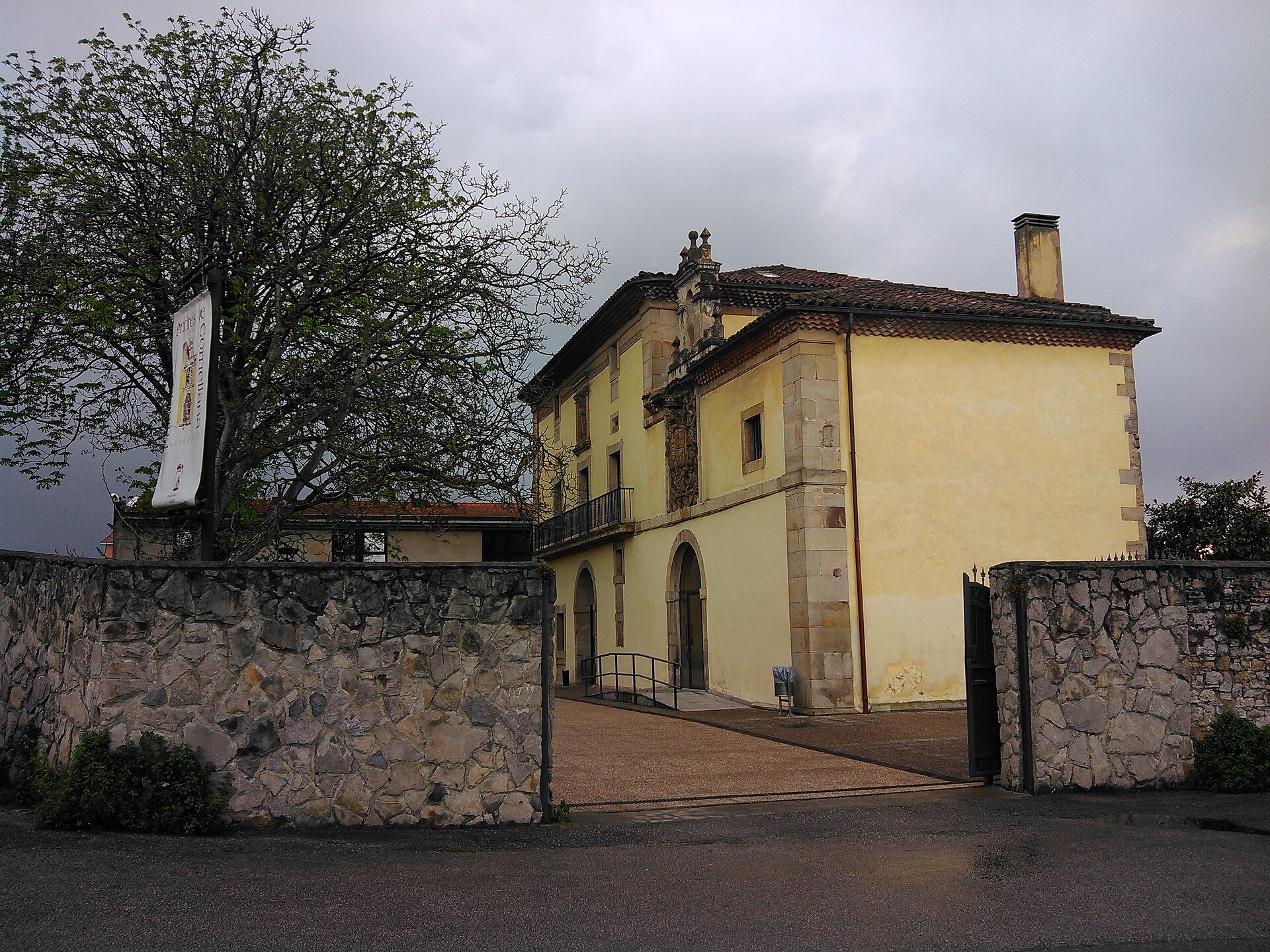
About this place
Palacio de San Andrés de Cornellana is an 18th-century noble residence in the Contrueces neighborhood of Gijón/Xixón, Asturias. Despite its name pointing to the village of Cornellana (in the municipality of Salas, some 40 km inland), the building itself has always stood in Gijón — it borrows its name from the title once held by its owners, the Menéndez Valdés family, "lords of Cornellana." Today the palace houses a youth hostel, making it one of the few historic buildings in the region you can actually spend the night in rather than just admire from outside.
Why does a Gijón building carry a name from Salas?
Since the Middle Ages, the Menéndez Valdés family held the title of lords of Cornellana, an estate that lies today in the municipality of Salas, close to the well-known San Salvador de Cornellana monastery. When the family built their residence in Gijón, they carried their hereditary title over to it, even though the building has no geographic link to Cornellana itself. This is a common pattern in Asturian heraldry — names follow noble titles, not physical location.
How do you get there?
The palace stands on Camino de los Caleros in the Contrueces neighborhood, a few kilometers from downtown Gijón, next to the church of Nuestra Señora de Contrueces and the former Casa de Novenas. From the city center you can reach it by local bus or a short drive of around fifteen minutes. The surrounding area is a residential district, so it's best treated as a short side trip while exploring Gijón rather than a standalone destination.
What will you actually see?
The current building dates from 1702, though the site's history goes back much further. The original palace was destroyed in 1382 by the troops of Alfonso Enríquez, count of Gijón and Noreña, during regional power struggles, and was rebuilt in 1412 by Juan Menéndez Valdés. The structure standing today is a later, 18th-century version of the residence. Attached to the palace is a chapel dedicated to San Fernando, built in 1759. Above its door survives a stone coat of arms combining five family shields: the Valdés arms in the center, Espriella in the upper right, Cornellana in the upper left, Jove in the lower right, and the Bernaldo de Quirós arms alongside them. It's one of the more interesting examples of noble heraldry in Gijón, worth a close look if you stop in front of the entrance.
Why is it a youth hostel today?
In 1978, Gijón's city council bought the palace from private owners for thirty million pesetas, saving the building from further deterioration. Rather than turning it into a museum, the city gave it a new function: in 1992 it opened as the Albergue Juvenil Palacio de San Andrés de Cornellana, a youth hostel that still operates today. This reflects a common approach to heritage protection in Asturias — instead of freezing a palace as an empty monument, authorities give it a daily use that keeps the building alive and lets visitors sleep under a historic roof for relatively little money.
When should you visit?
Since this is a working hostel rather than a museum with set visiting hours, the best approach is to fold a visit into a longer stay in Gijón, ideally outside the peak summer season when beds are easier to book. The building's exterior and the chapel can be viewed from outside year-round, and a walk through Contrueces pairs naturally with a stop at the nearby church of Nuestra Señora de Contrueces.
Frequently asked questions
Is the palace actually located in Cornellana? No — despite the name, the building stands in the Contrueces neighborhood of Gijón. The name comes from the Menéndez Valdés family's title as lords of Cornellana, a village in the Salas municipality, not from the palace's actual location.
Can you visit the inside of the palace? The building functions as an active youth hostel, so interior access is mainly for guests staying overnight. The facade and chapel can be viewed from outside at any time.
How old is the current building? The structure standing today dates from 1702, though the site's history stretches back to the 14th century — the original palace was destroyed in 1382 and rebuilt in 1412.
What else is worth seeing nearby? The attached San Fernando chapel from 1759, with its five-part heraldic shield above the entrance, and the neighboring church of Nuestra Señora de Contrueces.
Nearby places

Earn badges for the places you visit
Download NextOnTrip, discover new places and check off your trails.