About this place
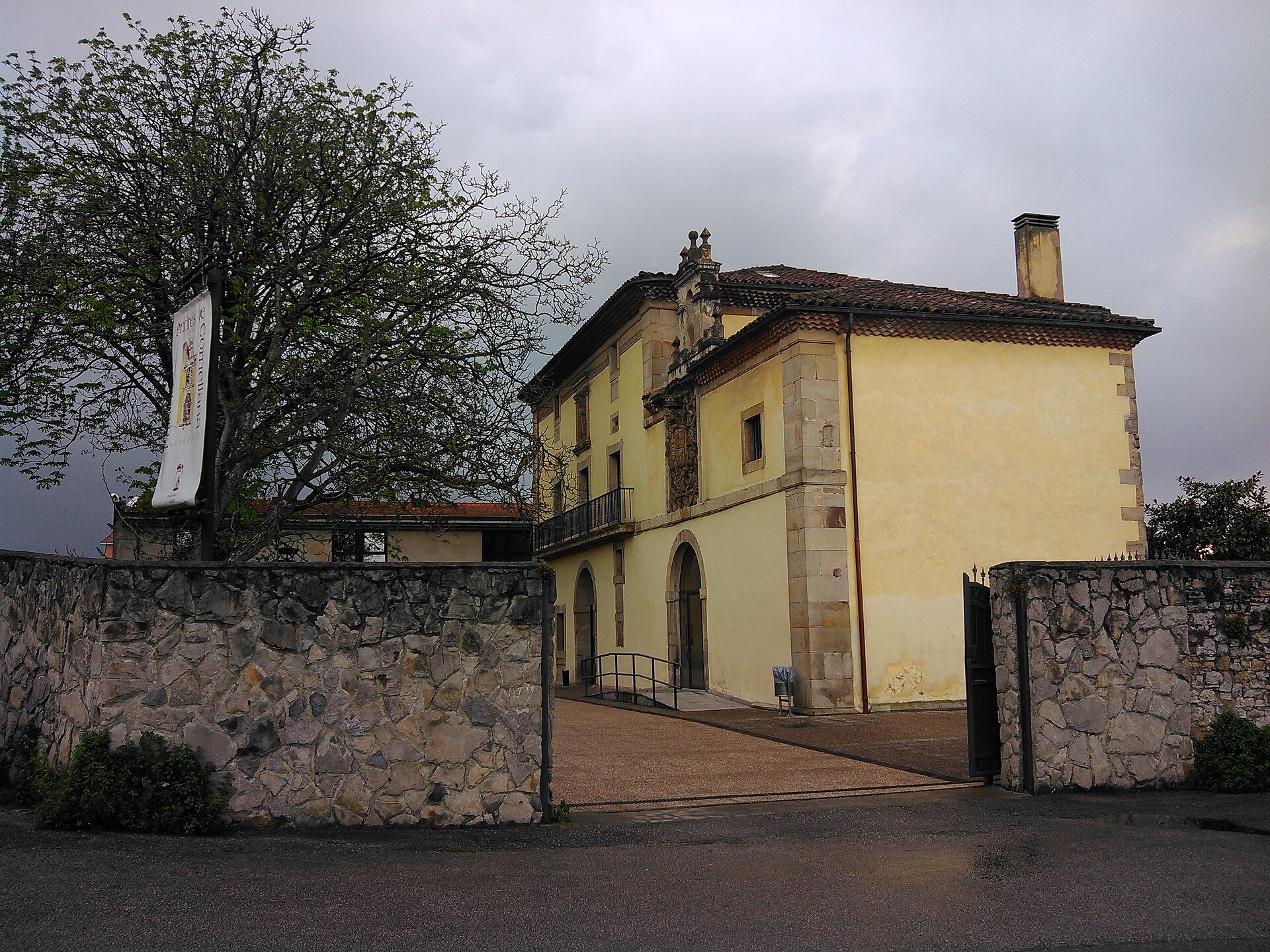
Jove Huergo Palace in Gijón is a 17th-century noble residence that today houses a city art museum. Standing in the historic quarter of the city, it forms, together with its adjoining chapel, one of the more distinctive complexes of civil and religious architecture in the region.
What is the history behind the palace?
The palace was built in the 17th century as the seat of the Jove family, one of the more influential families in Asturias at the time. Together with the neighboring chapel dedicated to the Holy Trinity, the building forms what is known as the Trinity complex — a group of structures that stayed in the hands of the same family for generations before passing into municipal care. The site now holds protected heritage status as a monument of historical and artistic value, which guarantees it legal and conservation safeguards.
What does the palace's architecture look like?
The palace consists of two rectangular blocks set side by side, each divided into three stories. Both sections were designed with symmetrical facades: windows follow a regular rhythm, and the floors are clearly separated by molded string courses running across the front of the building. This restrained, almost austere style is typical of Asturian noble residences of the period, where proportion mattered more than ornamental richness.
The single decorative highlight on the facade is a stone coat of arms placed on the building's central axis. It combines the emblems of three families connected to the palace's owners: Hevia, Miranda and Lavandera. Displaying a combined coat of arms like this was a common way for founders to signal family ties and social standing.
What makes the Trinity chapel stand out?
In contrast to the sober palace, the adjoining chapel shows a far richer, Baroque character. Its facade features a monumental entrance: a lintelled doorway flanked by molded pilasters. Above the lintel sits a panel bearing the Jove family's coat of arms, and the whole composition is crowned by a semicircular pediment with an oval opening, or lunette, that lights the choir inside. This contrast between the plain palace and the ornate chapel is one of the more interesting aspects of the complex, illustrating how a single ensemble could combine a residential function with a more ceremonial, religious one.
What is housed in the palace today?
The former residence now hosts the Juan Barjola Museum, dedicated to the work of the Spanish painter. Converting the historic interior into exhibition space preserved the building's original structure while giving it a new cultural role open to both residents and visitors to Gijón.
How do you get there, and what else is worth seeing nearby?
The palace is located in Gijón, in the Asturias region of northern Spain, a city known for its historic center, seafront promenade and lively cultural scene. A visit to the palace and chapel pairs well with a walk through the old town, where several other period residences and churches from the same era can be found.
Frequently asked questions
From what century does Jove Huergo Palace date? The building was constructed in the 17th century as the residence of the Jove family.
What does the palace house today? It is home to the Juan Barjola Museum, dedicated to the work of the Spanish painter.
How does the palace's architecture differ from the chapel's? The palace has a sober, symmetrical facade with a single coat of arms, while the adjoining Trinity chapel displays a richer Baroque design with an ornate portal and the Jove family's coat of arms.
Is the palace a legally protected heritage site? Yes, it holds status as a monument of historical and artistic value and is subject to conservation protection.
Nearby places

Earn badges for the places you visit
Download NextOnTrip, discover new places and check off your trails.