About this place
Monestir de Sant Quirze de Colera is a Romanesque Benedictine monastery in the municipality of Rabós, in the Alt Empordà comarca of Catalonia, tucked into the foothills of the Pyrenees close to the French border. The abbey's history goes back to the 9th century, making it one of the older monastic sites in this part of Catalonia.
Where exactly is it located?
The monastery sits in a secluded valley along the Anyet stream, near the village of Rabós, in Alt Empordà — a region where rolling foothills gradually rise into the Albera massif and the wider Pyrenean range. The surrounding landscape is typical Mediterranean scrubland, stony slopes, and small terraced plots, characteristic of the Catalan-French borderland. That isolation is precisely why the monastery functioned for centuries as a self-contained religious community, well away from major trade routes.
What will you see on site?
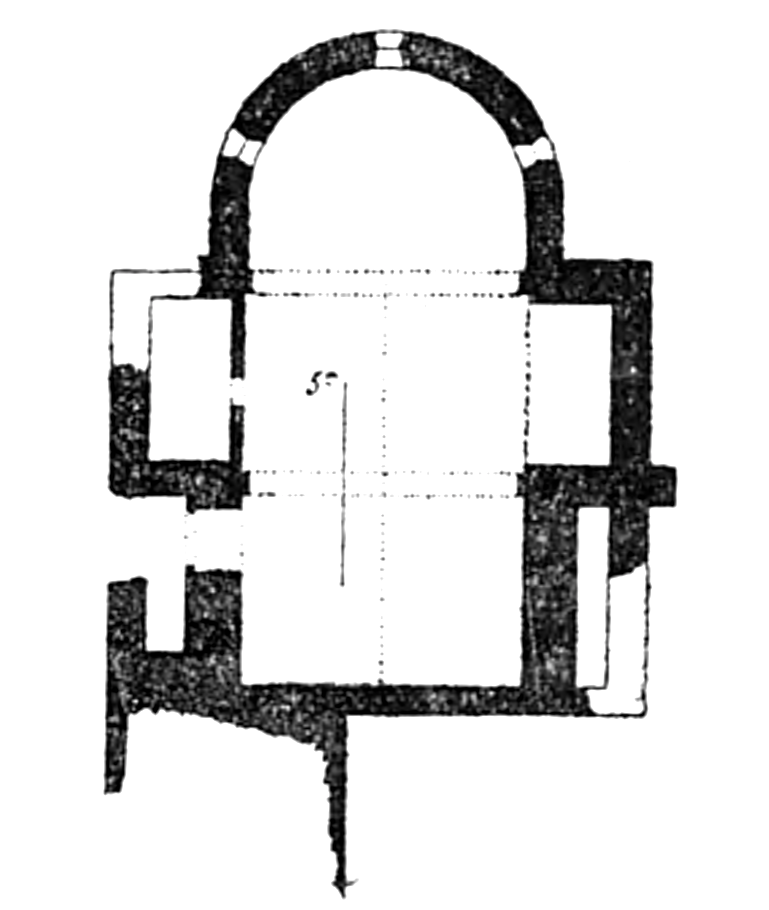
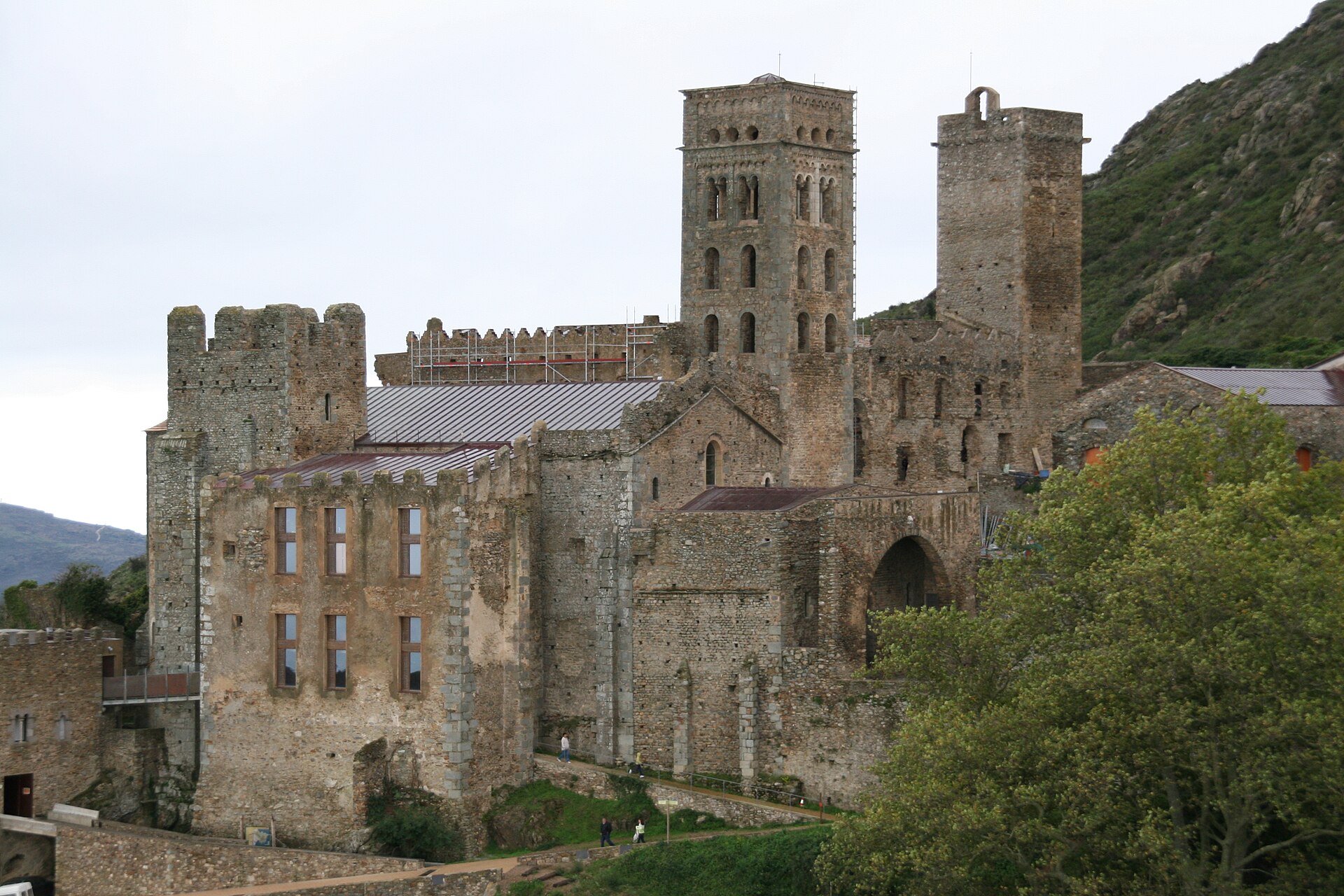
The complex includes the abbey church, remains of a cloister, a chapter house, and fragments of the former outbuildings. The architecture belongs to the pre-Romanesque and Romanesque styles typical of the earliest Benedictine foundations in Catalonia — thick stone walls, simple massing, and restrained decoration, without the elaborate carving found in later medieval buildings. Visible traces of successive building phases show how the site grew from a modest early structure into a larger church and monastic compound. Pay attention to the proportions of the church interior and the surviving cloister elements, which help picture the rhythm of monastic life here centuries ago.
How do you get there?
Access is on foot, most commonly starting from Rabós or nearby Cantallops. The trail crosses foothill terrain, partly wooded and partly open, and calls for reasonable fitness — it is not a flat stroll, but it is not a demanding mountain route either. Driving directly up to the monastery is largely restricted or impossible along most of the way, so plan on at least an hour of walking one-way, depending on your chosen starting point.
When is the best time to visit?
Spring and autumn offer the best conditions, with mild temperatures across the foothills and the scrubland vegetation at its most attractive. Summer heat in Alt Empordà can be intense, especially on exposed, shadeless stretches of the trail, so an early morning start is worthwhile. In winter the trail is usually passable, but shorter daylight hours limit the time available for a relaxed visit and return before dark.
Who is this place for?
Sant Quirze de Colera appeals mainly to hikers, admirers of medieval religious architecture, and travelers looking for a quiet, uncrowded corner of Catalonia away from the busier Costa Brava coastline. It makes for a good outing that combines physical activity with a direct encounter with the region's history.
Frequently asked questions
Is the monastery open to visitors? The monastery grounds are open to visitors, though it's worth checking current opening hours and access rules on site, as they can change seasonally.
Can you drive right up to the monastery? Access by car is limited — most visitors reach it on foot via the trail from Rabós or Cantallops, which is part of the experience itself.
How much time should you set aside for the visit? Counting the walk in, time on site, and the walk back, budget two to four hours depending on your pace and chosen route.
Is the trail suitable for children or less fit visitors? The trail is moderately demanding — older children and people of average fitness can manage it without difficulty, but proper footwear and water are recommended, especially in summer.
Nearby places

Earn badges for the places you visit
Download NextOnTrip, discover new places and check off your trails.