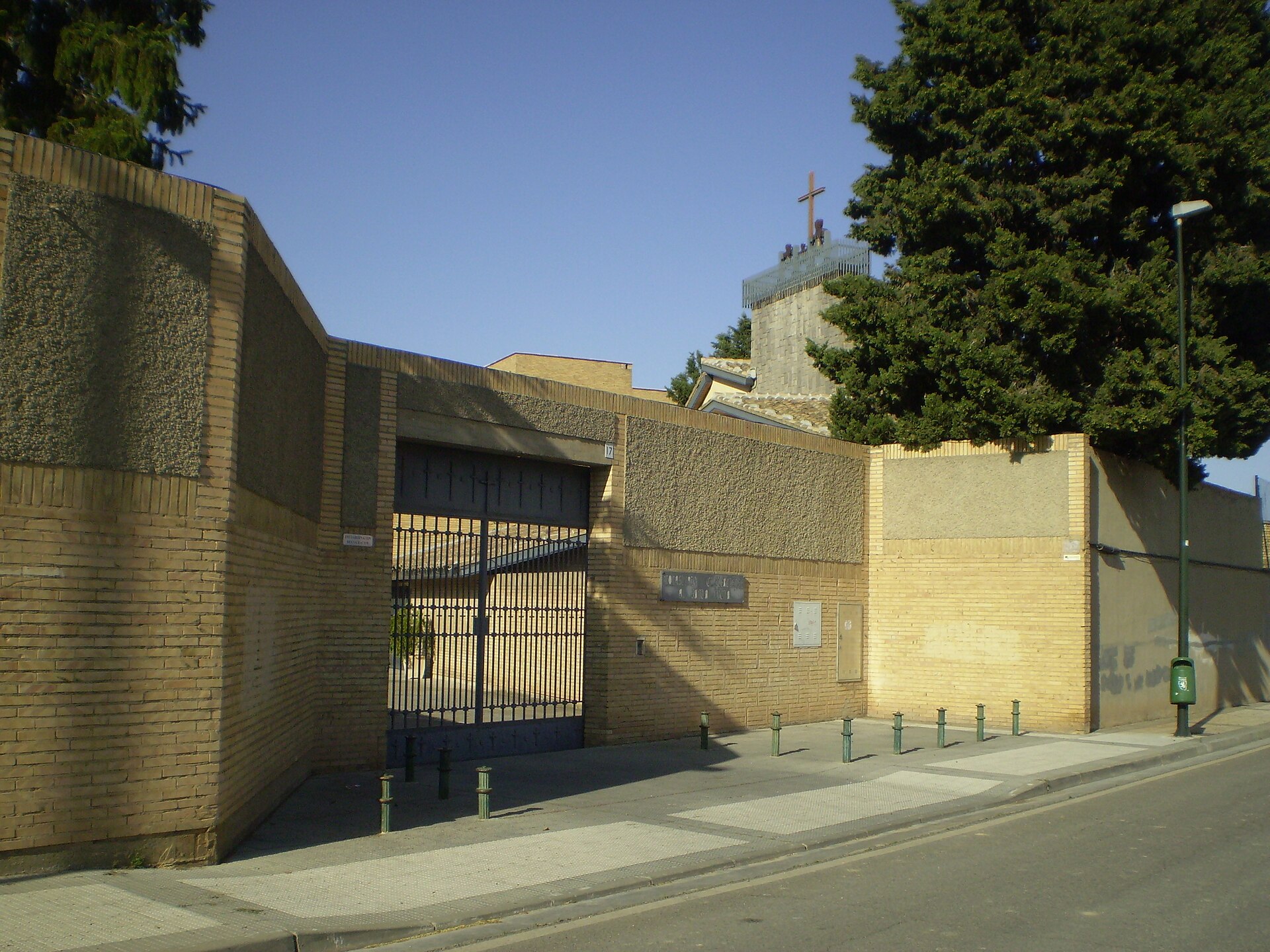
About this place
Monasterio de Santa Lucía is a cloistered convent of Cistercian nuns in Zaragoza, one of the longest-running religious communities in the Aragón region. The building visitors see today only dates to the 1960s, but the community behind it has an unbroken history stretching back more than eight centuries, marked by repeated relocations and rebuilding.
Where did this community come from?
The story begins in the early 13th century, when King Pedro II of Aragón wanted to establish a Cistercian community in his territory, following the Rule of Saint Benedict — a life of simplicity, manual labor, and distance from towns. He asked the abbot of Morimond in France to send nuns for the purpose, and in 1212 the community settled on the Cambrón estate, granted to them by the king.
The following centuries brought a string of forced moves. In 1454, for reasons that remain unclear, the nuns relocated to the monastery of Santa María In Foris near Huesca, returning to Cambrón in 1473. The real turning point came after the Council of Trent, which barred convents from remaining in isolated rural locations — forcing the community into the city of Zaragoza itself. They settled next to the hermitage of Santa Lucía, arriving in 1588, and it is that hermitage which gave the community the name it still carries today.
Why has the monastery moved so many times?
The 19th and 20th centuries proved especially turbulent. In 1808 the nuns had to abandon their home due to attacks by Napoleonic troops, taking refuge at the monastery of Trasobares. Between 1837 and 1840 they lived at the convent of Santa Catalina in Zaragoza, and from 1840 to 1850 at the convent of Santa María de Jerusalén. During the Spanish Civil War, between 1936 and 1940, they found temporary shelter at the Carmelo Santa Teresa. Each time, the community eventually returned to a home of its own — and in 1965 the nuns built an entirely new monastery in the Casablanca neighborhood of Zaragoza, moving in during August 1967. That is the building still standing today.
What can you actually see on site?
This is a living, cloistered monastery, not a museum, so access is largely limited to the monastery church, open to worshippers and visitors during services. The atmosphere reflects the Cistercian ideal of simplicity: little ornamentation, a quiet rhythm of prayer, and an emphasis on contemplation rather than display. As with many enclosed convents in Spain, the nuns of Santa Lucía support their community partly through manual work, producing traditional food products for sale, including a locally known style of preserved meat prepared escabeche-style.
How to get there and when to visit?
The monastery sits in the Casablanca district in the southern part of Zaragoza, well connected to the city center by public transport. This is a destination for travelers looking for quiet and a living monastic tradition rather than a conventional sightseeing stop with fixed opening hours — the best time to visit is around services, when the church is accessible, keeping in mind the discretion the setting calls for. Zaragoza itself offers plenty nearby, so a visit combines easily with the city's other landmarks.
Frequently asked questions
Can visitors go inside the monastery of Santa Lucía? The cloistered part of the monastery is closed to outsiders, but the monastery church is open to worshippers and visitors during service hours.
Is the current building the original historic monastery? No — the present building in the Casablanca neighborhood was constructed between 1965 and 1967. The community itself, however, has existed continuously since 1212 and previously occupied several other sites in and around Zaragoza.
Where does the name "Santa Lucía" come from? It comes from the hermitage of Santa Lucía, next to which the nuns settled after arriving in Zaragoza in 1588, following earlier stays in more isolated rural locations.
Can you buy anything made by the nuns? Yes — the Cistercian nuns traditionally make and sell food products, including a local escabeche-style preserved meat, as part of how the community supports itself.
Nearby places
-

Capilla del Colegio Marianistas Santa María del Pilar, Zaragoza
Saragossa
-
Church of St. Joseph of Calasanz
Saragossa
-
Convento Siervas de María
Zaragoza
-
Carmelite Convent of the Incarnation, Zaragoza
Saragossa
-
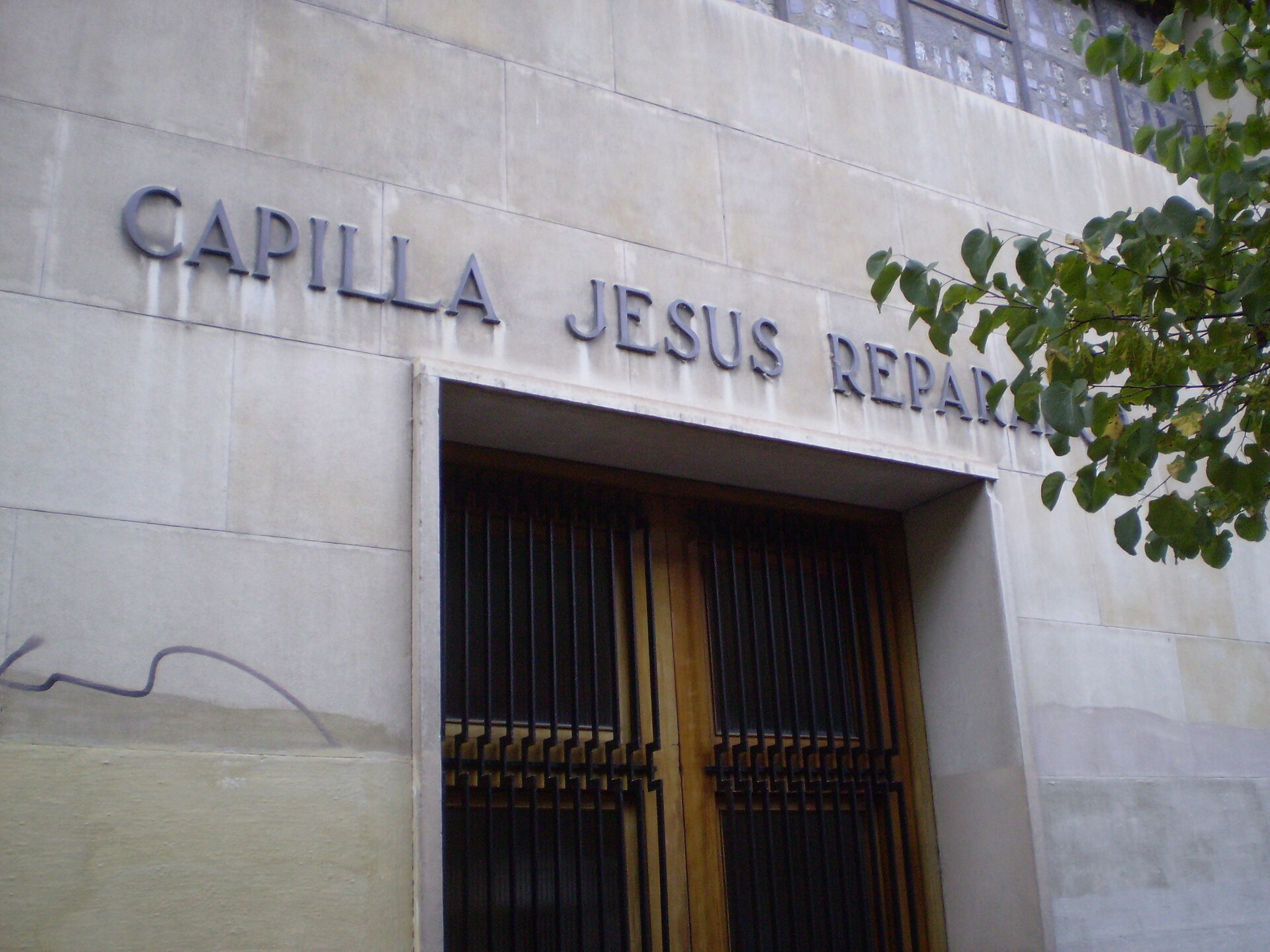
church of Jesus the Reparator Zaragoza
Zaragoza
-
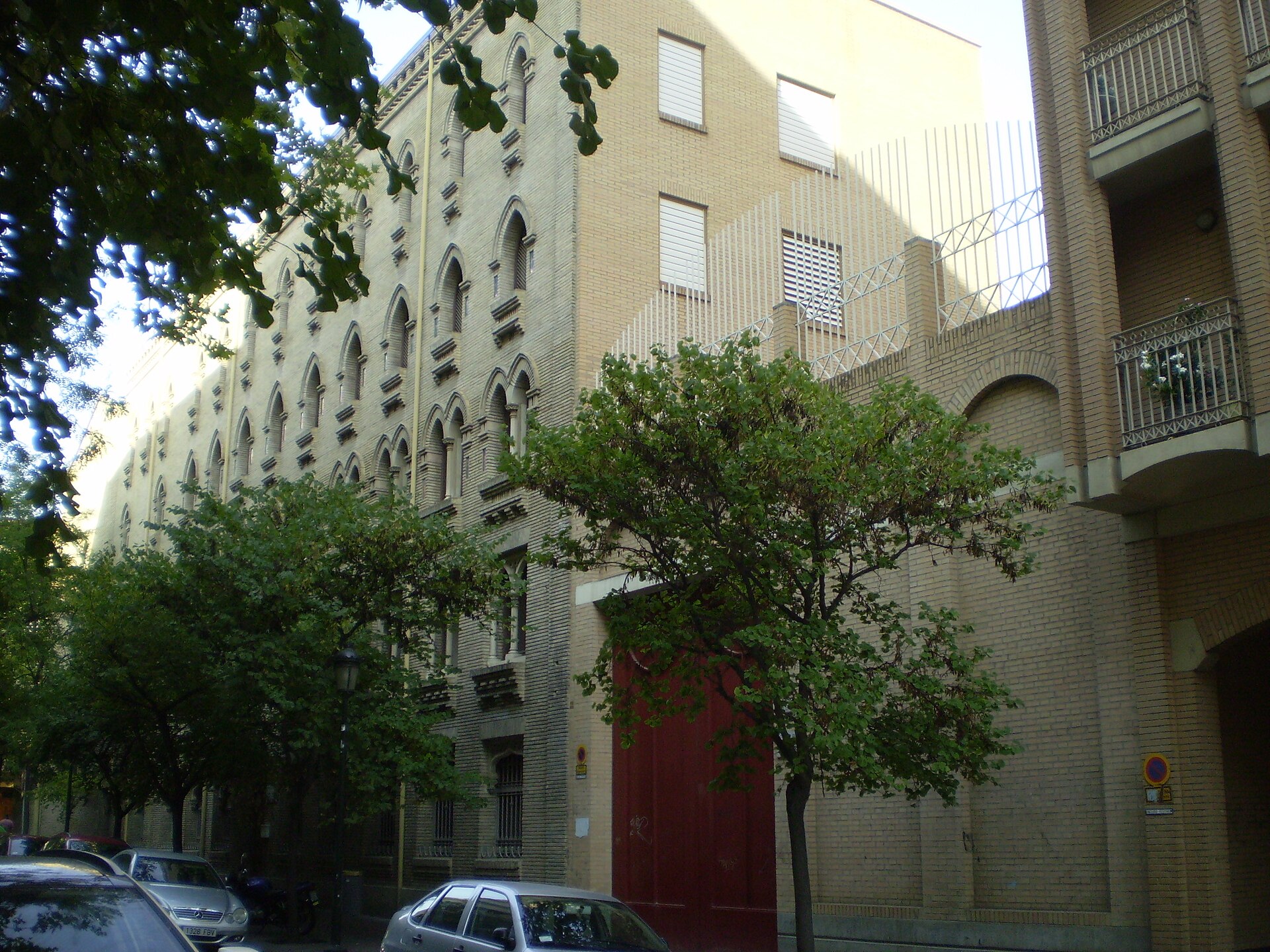
Monastery of Santa Catalina, Zaragoza
Zaragoza
Earn badges for the places you visit
Download NextOnTrip, discover new places and check off your trails.