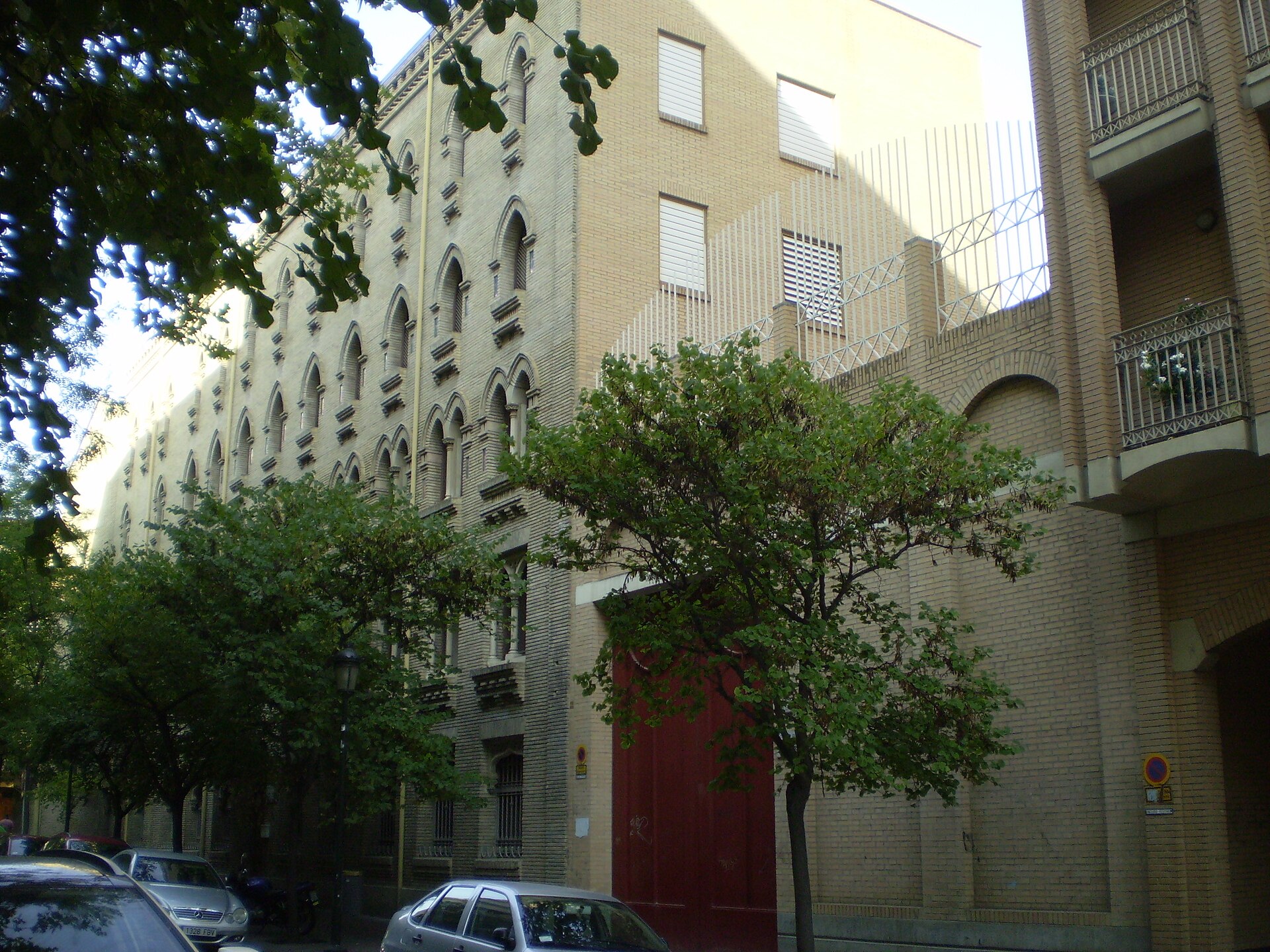
About this place
The Monastery of Santa Catalina is one of the oldest convents in Zaragoza, tucked away on Calle Arquitecto Magdalena just steps from the historic centre. Poor Clares have lived here for nearly eight centuries, and the building still holds traces of Gothic-Mudéjar craftsmanship rarely found elsewhere in this part of Aragon.
How do you get there?
The monastery sits within Zaragoza's old town, an easy walk from both La Seo Cathedral and the Basilica of Nuestra Señora del Pilar. The simplest approach is on foot, combining the visit with a stroll through a district packed with historic sites. Visitors coming from other parts of the city can use the tram and bus stops near Plaza del Pilar as a reference point — from there it's only a few minutes through the narrow streets of the old quarter.
What's the history behind it?
The community was founded in 1234 just outside the city walls of the time, with the approval of Pope Gregory IX. Its founder was Ermisenda de Cellas, aunt of Teresa Gil de Vidaure, wife of King James I the Conqueror — a royal connection that brought the convent steady patronage and an endowment to secure its upkeep from the start. Daughters of the Aragonese nobility entered its ranks, and the community grew large enough to count around 120 nuns by the 17th century. The nuns were originally known as the "Sisters of San Damián," the name used for the Poor Clares before Saint Clare's canonization.
The convent building went up in the first half of the 14th century, and its church, dating from that period, was reworked in a Baroque style in 1645. The complex suffered heavily during the Peninsular War of 1808, when Zaragoza endured the sieges by Napoleon's army that damaged most of the city's monastic buildings. A thorough renovation in 1928 gave the complex much of its present appearance.
What will you see inside?
The main draw is the surviving Gothic-Mudéjar core, still visible despite later Baroque and 19th- and 20th-century alterations. Inside the church, look for painted arcades, geometric compositions, and motifs drawn from Islamic decorative tradition — hallmarks of Mudéjar style, which blends Christian and Moorish building craft. Noble coats of arms scattered through the decoration point to the convent's aristocratic roots. Specialists in Zaragoza's Mudéjar architecture rank the decoration here among the richest of any convent of its kind in the city.
Because the monastery remains an active enclosed community, visits are limited to the church and its adoration chapel rather than the cloistered quarters where the sisters live. Even so, that's enough to sense a place where prayer has continued uninterrupted since 1234.
When should you visit?
The church's daytime opening hours are the best time to come, when natural light through the windows brings out the detail in the Gothic-Mudéjar decoration. If you want a quiet look around, it's worth avoiding the times of religious services. Since this is an active place of worship rather than a museum, check current opening hours locally or with the tourist information office before planning your visit.
Frequently asked questions
Can you visit the Monastery of Santa Catalina? Yes, the church and adoration chapel are open to visitors. The enclosed section where the Poor Clares live is not accessible to the public.
Who founded the monastery? Ermisenda de Cellas founded it in 1234, with the approval of Pope Gregory IX and the backing of the Aragonese royal family.
What architectural style defines the interior? Gothic-Mudéjar, overlaid with Baroque changes from the 17th century and a renovation of the exterior complex in 1928.
Do nuns still live there today? Yes, a community of Poor Clares has lived at the site continuously for almost eight centuries.
Nearby places
-
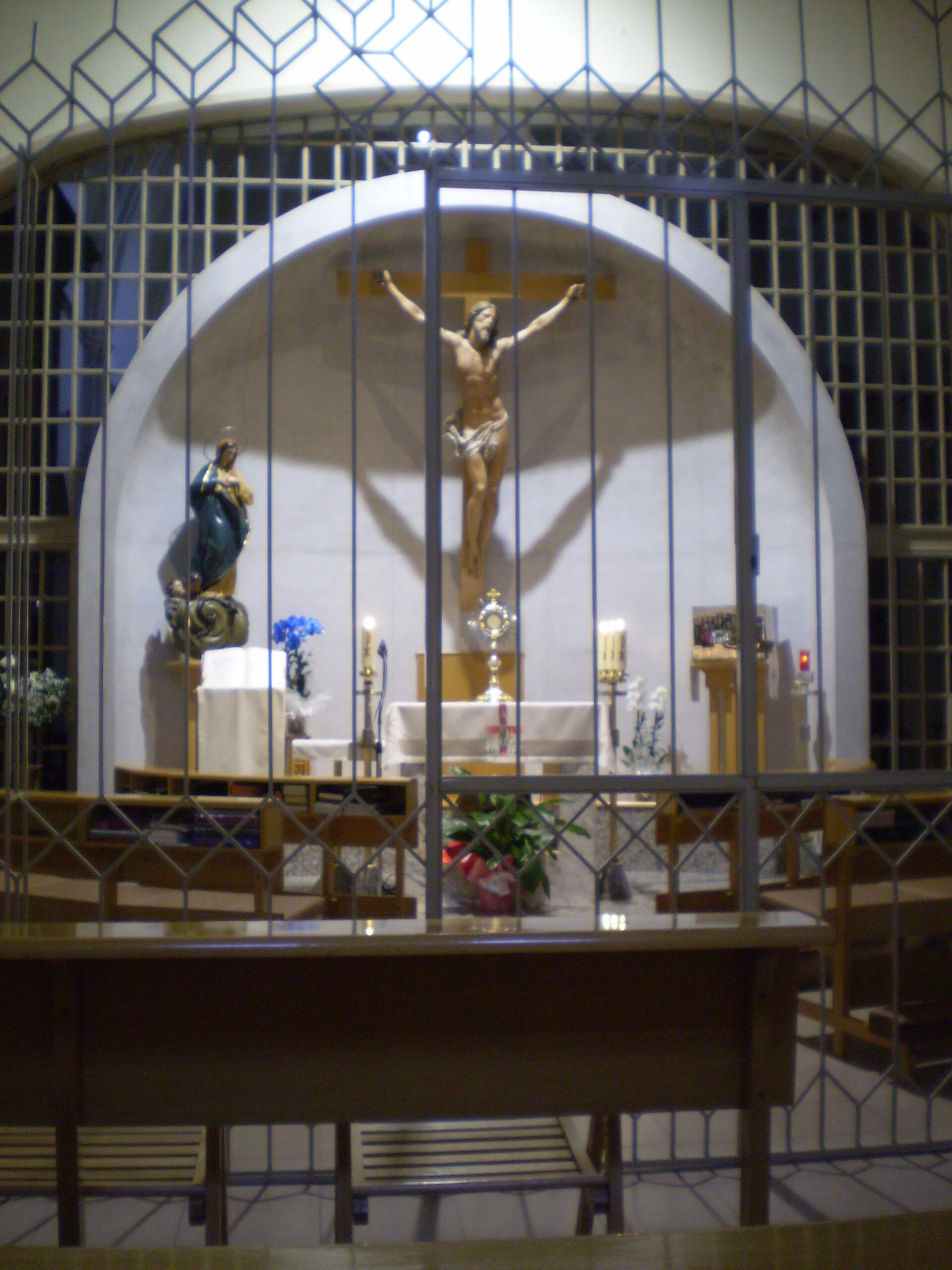
Capilla del convento de Santa Catalina, Zaragoza
Saragossa
-
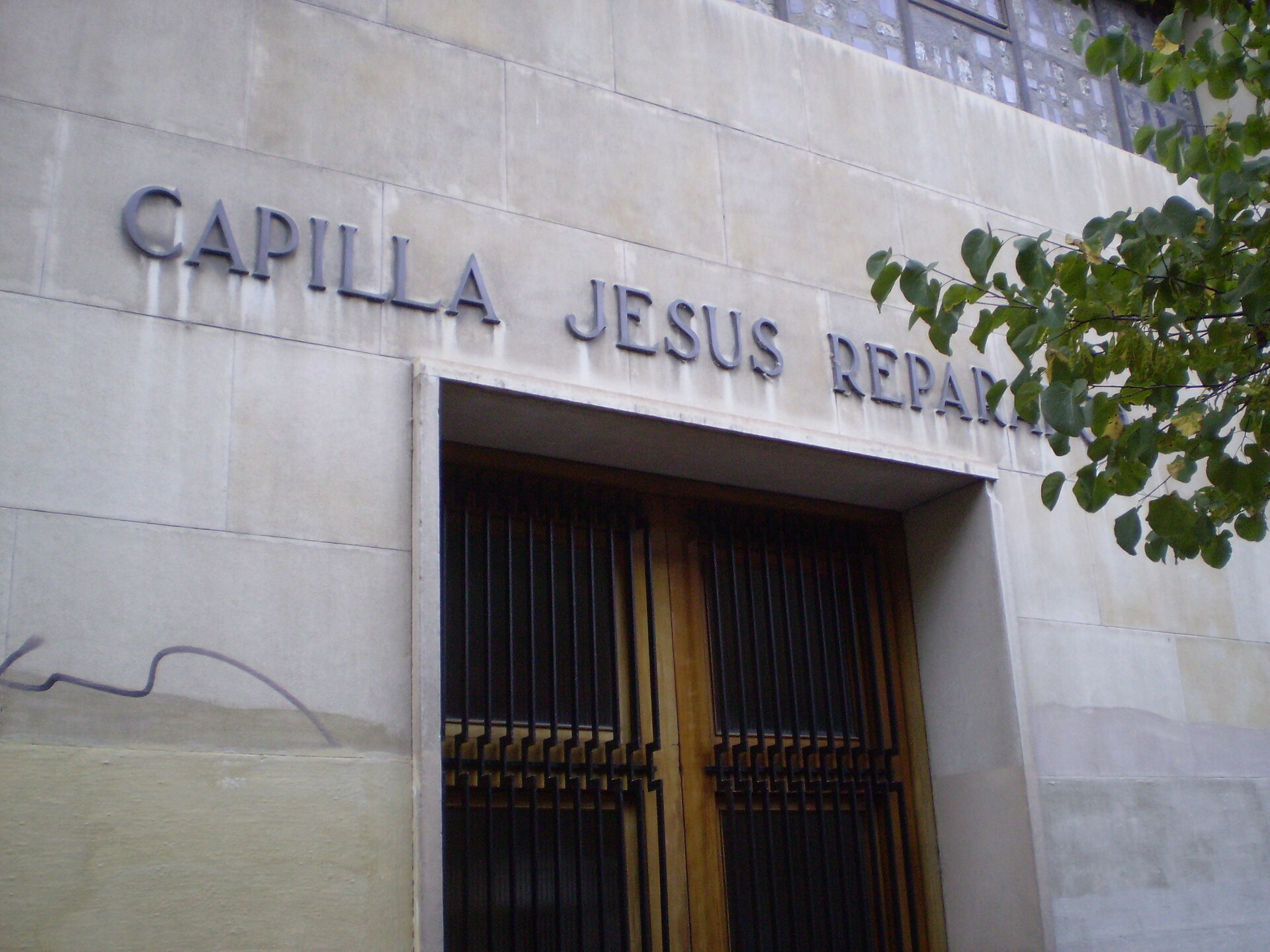
church of Jesus the Reparator Zaragoza
Zaragoza
-

Iglesia de Santo Tomás de Villanueva
Saragossa
-
Tapestry museum of the Cathedral of El Salvador in Zaragoza
Saragossa
-
Chapel of Saint Michael the Archangel (La Seo of Zaragoza)
Saragossa
-
Chapel of Saint Paschal Baylon for the perpetual adoration of the Eucharist
Zaragoza
Earn badges for the places you visit
Download NextOnTrip, discover new places and check off your trails.