About this place
Iglesia de Santo Tomás de Villanueva is a 17th-century church in Zaragoza, once part of an Augustinian monastery and also known as the Iglesia de la Mantería. Its modest exterior hides one of Aragón's finest Baroque interiors, painted by an artist who worked for the Spanish royal court.
Where did this church come from?
The building was funded through the will of Martín de Funes y Copones, who left his estate to the Augustinian order to build a college dedicated to Santo Tomás de Villanueva and San Jorge. The foundation stone was laid in 1663, and construction on a Greek-cross floor plan continued for two decades before finishing in 1683. The church was formally consecrated in 1686.
What's inside worth seeing?
The main draw is the painted decoration covering the domes and walls, completed in 1685 by Claudio Coello — one of the last great masters of Spanish Baroque painting, who worked at the court of King Charles II — together with his pupil Sebastián Muñoz. The cycle follows Counter-Reformation themes centered on Saint Thomas of Villanova, the church's patron. Art historians rank this decorative ensemble among the finest examples of wall painting from the period in Spain. The Greek-cross layout, with its central dome, was designed to give the paintings maximum visual impact, wrapping visitors in imagery on every side.
How has the church survived to today?
The building's history hasn't been smooth. It suffered damage during the Peninsular War in the early 19th century, and later fell into neglect after Spain's 19th-century disamortization, when church property was confiscated by the state. Recovery came in 1883, when the Escolapian nuns (Escolapias) took over the site; a school opened there the following year, on 18 May 1884, and still operates in the building today. Recognition of the site's historical and artistic value followed in the 20th century: a decree from the Ministry of Public Instruction and Fine Arts on 4 January 1946 declared the church a National Monument.
When to visit and how to get there?
The church sits in central Zaragoza, within easy reach of the city's other historic landmarks, making it easy to combine with a wider walk through the old town. Because the building now functions as a school, access to the interior can be limited to specific hours or occasions — it's worth checking current opening details before visiting, with weekday mornings usually offering the best chance of getting inside. The surrounding area is pleasant to explore year-round, though spring and autumn bring the most comfortable weather for walking around Zaragoza.
Frequently asked questions
What is the Iglesia de Santo Tomás de Villanueva? It's a 17th-century church from a former Augustinian monastery in Zaragoza, known for its Baroque wall paintings and also called the Iglesia de la Mantería.
Who painted the interior? The decoration was completed in 1685 by Claudio Coello, court painter to King Charles II, working alongside his pupil Sebastián Muñoz.
Can visitors go inside? The building now houses a school run by the Escolapian nuns, so access can be limited — check current opening hours before your visit.
Why is the church historically significant? Its artistic and architectural value led to its designation as a Spanish National Monument in 1946.
Nearby places
-

Carmelite Convent of the Incarnation, Zaragoza
Saragossa
-
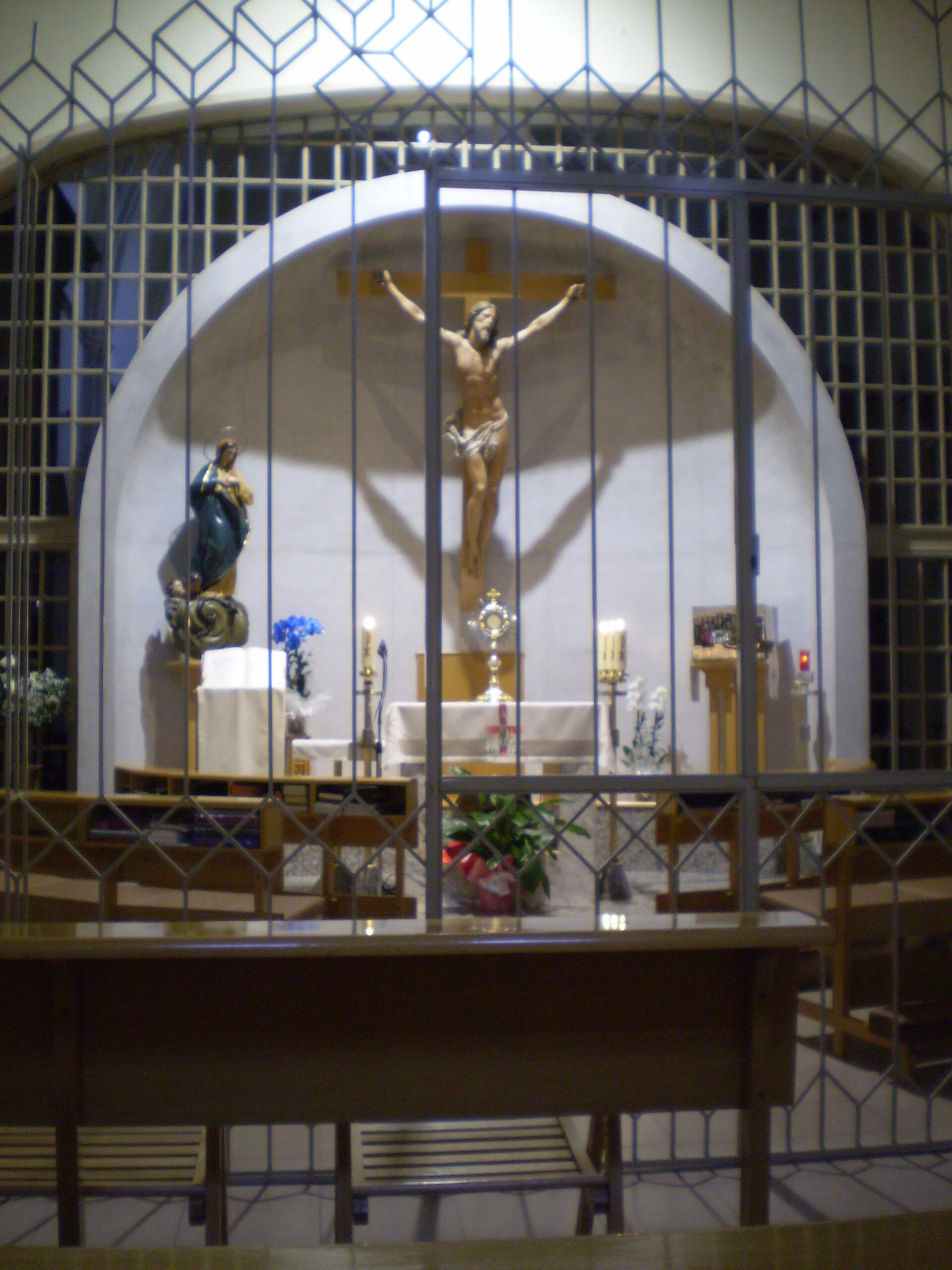
Capilla del convento de Santa Catalina, Zaragoza
Saragossa
-
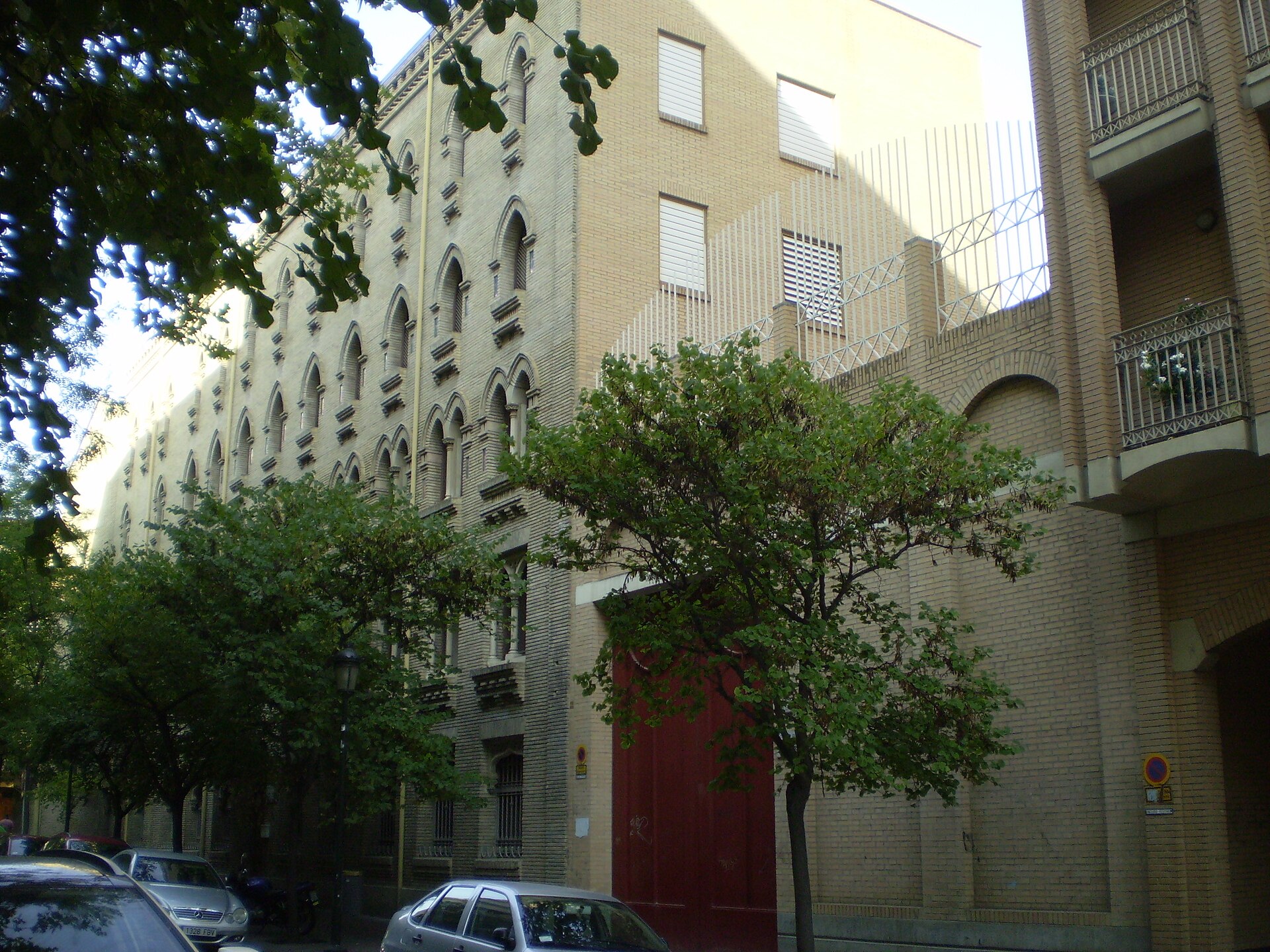
Monastery of Santa Catalina, Zaragoza
Zaragoza
-
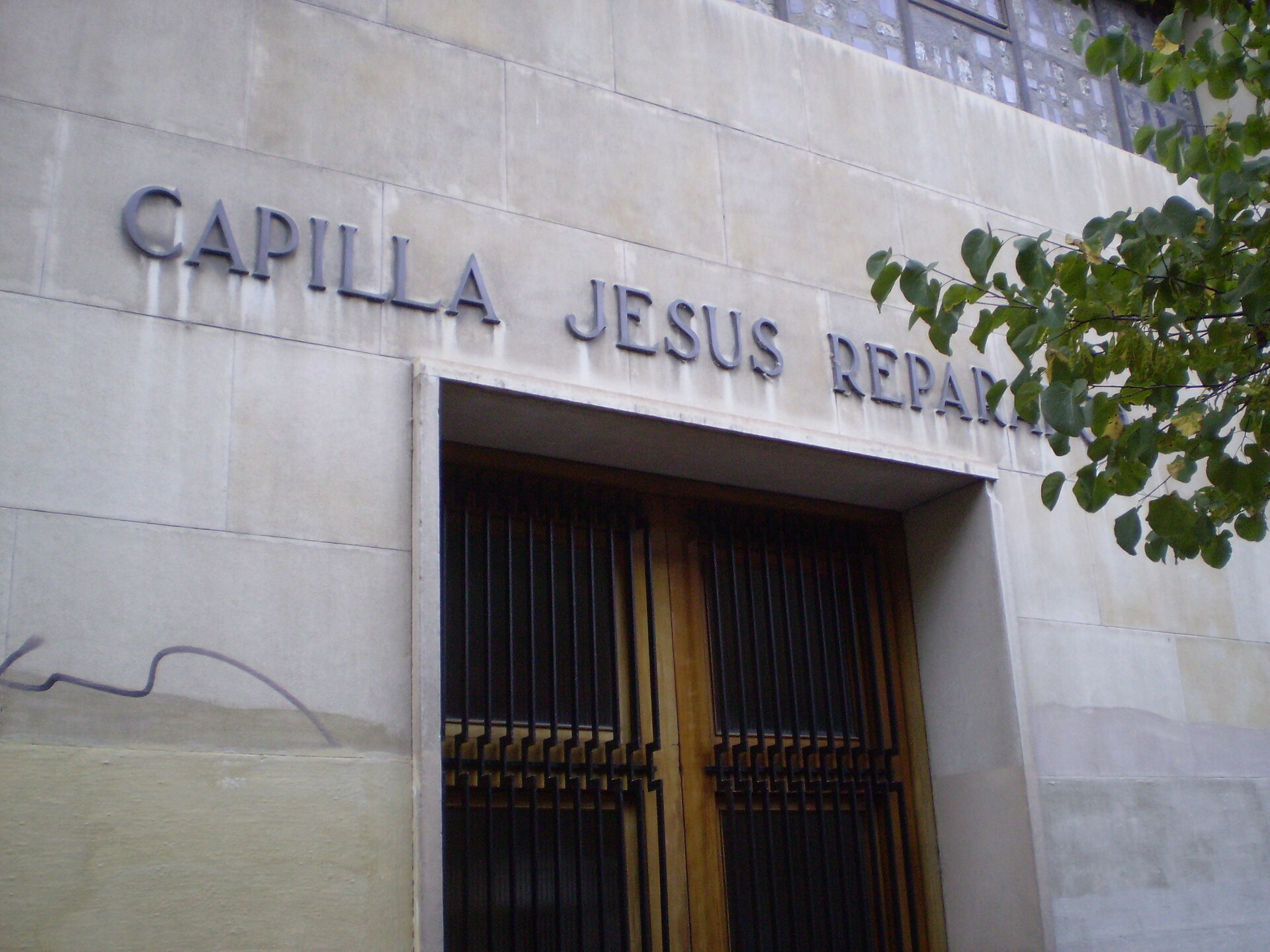
church of Jesus the Reparator Zaragoza
Zaragoza
-
Virgin of Pilar Museum (Our lady of Pilar Basilica)
Saragossa
-
Chapel of Saint Paschal Baylon for the perpetual adoration of the Eucharist
Zaragoza
Earn badges for the places you visit
Download NextOnTrip, discover new places and check off your trails.