About this place
Convento Siervas de María is a historic convent and church at Paseo de Sagasta 33 in Zaragoza, one of the distinctive buildings along this grand boulevard.
What should you know before visiting?
The building was designed by architect Julio Bravo y Folch and completed in 1903. At the time, Paseo de Sagasta was only beginning to take shape as a prestigious avenue and was considered far from the city center. The convent was built on a large, originally almost triangular plot, with its facade facing directly onto Paseo de Sagasta.
The religious order behind the building, the Sisters Servants of Mary (Siervas de María), has deep roots in Zaragoza: its foundation here dates back to May 29, 1877, led by cathedral canon Mariano Supervía (later Bishop of Huesca) together with Francisco Zapater, Vicente Rivera and Constancio López. Today the sisters at this house are dedicated to home care assistance, residential care, and support for private patients.
What does the architecture look like?
The church's facade is built entirely of exposed brick in a neomedieval style, with a symmetrical composition: a central body flanked by two modest-sized towers. This layout gives the building a distinctive, decorative silhouette among the surrounding architecture of Paseo de Sagasta.
Because of its historical and architectural value, the building has been listed by the Zaragoza city council among properties of architectural interest.
What else can you see on site?
The convent's generous plot allowed for a garden at the rear of the building. Today, surrounded by the dense traffic and urban fabric of central Zaragoza, this rear garden functions almost like a green oasis — a quiet contrast that says a lot about how the surrounding neighborhood has changed since the early twentieth century.
How do you get there?
Convento Siervas de María sits on Paseo de Sagasta, one of Zaragoza's main and most elegant avenues, easily reached on foot, by public transport, or by car from the city center. The avenue itself is a popular place for a stroll, combining greenery with nineteenth- and twentieth-century architecture, cafés and shops, which makes a visit to the convent a natural stop on a longer walk through this part of the city.
When is the best time to visit?
Since the building serves an active religious and care function rather than operating as a museum or classic tourist attraction, the best way to experience it is by viewing the facade and architecture from outside during the day. Quieter hours, away from the busiest traffic periods on Paseo de Sagasta, are ideal for taking in the architectural details at a relaxed pace.
Frequently asked questions
Who designed Convento Siervas de María? The building was designed by architect Julio Bravo y Folch, with the convent and church completed in 1903.
What architectural style does the building represent? The facade is built of exposed brick in a neomedieval style, with a symmetrical composition and two small towers flanking the central body.
When was the Sisters Servants of Mary order founded in Zaragoza? The order's foundation in Zaragoza dates to May 29, 1877, initiated by canon Mariano Supervía together with three other founders.
Can visitors go inside the building? The building operates as an active convent and care center, so visits are mainly limited to admiring the facade and architecture from outside, along Paseo de Sagasta.
Nearby places
-

Church of St. Joseph of Calasanz
Saragossa
-
Carmelite Convent of the Incarnation, Zaragoza
Saragossa
-
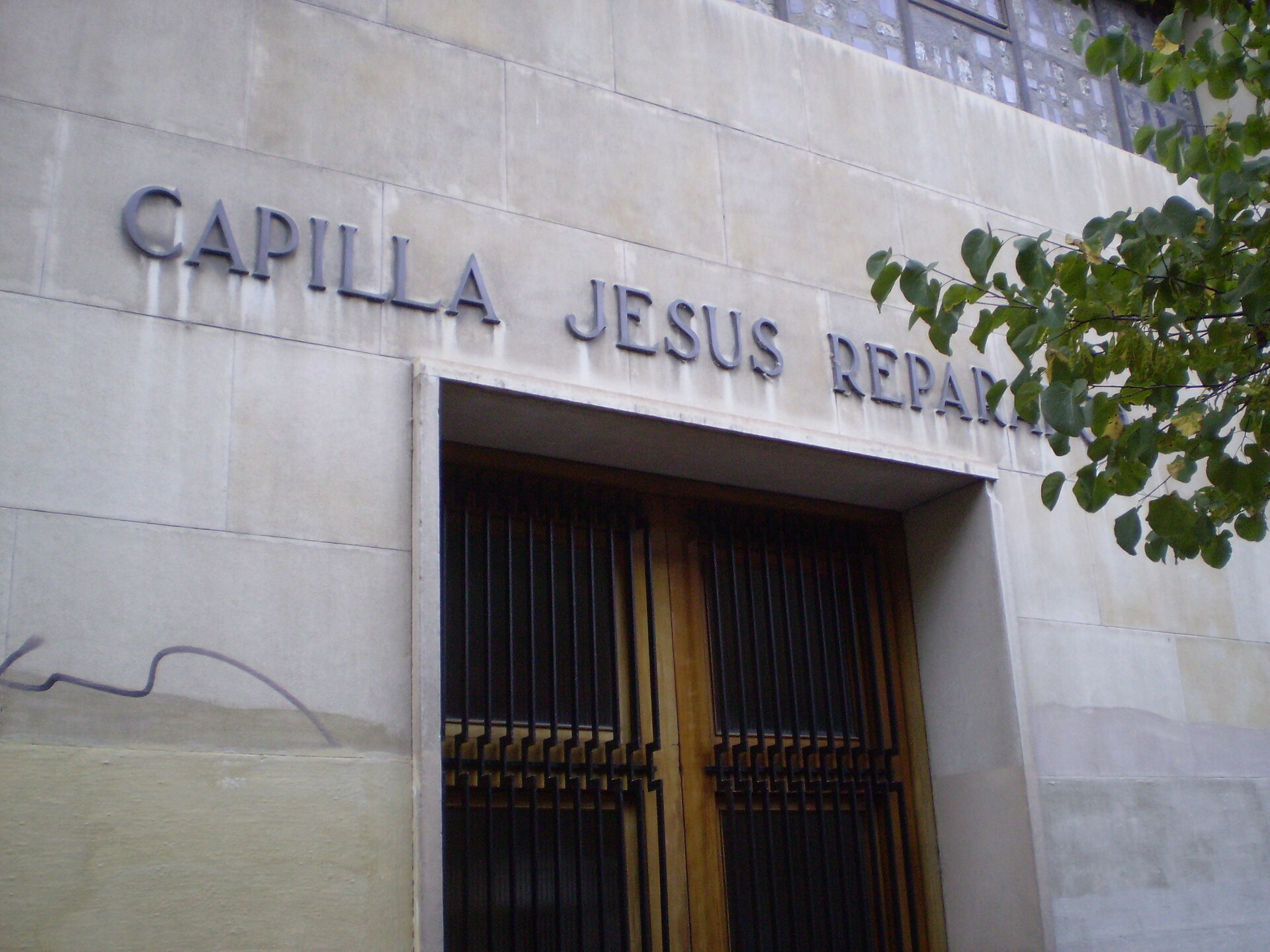
church of Jesus the Reparator Zaragoza
Zaragoza
-
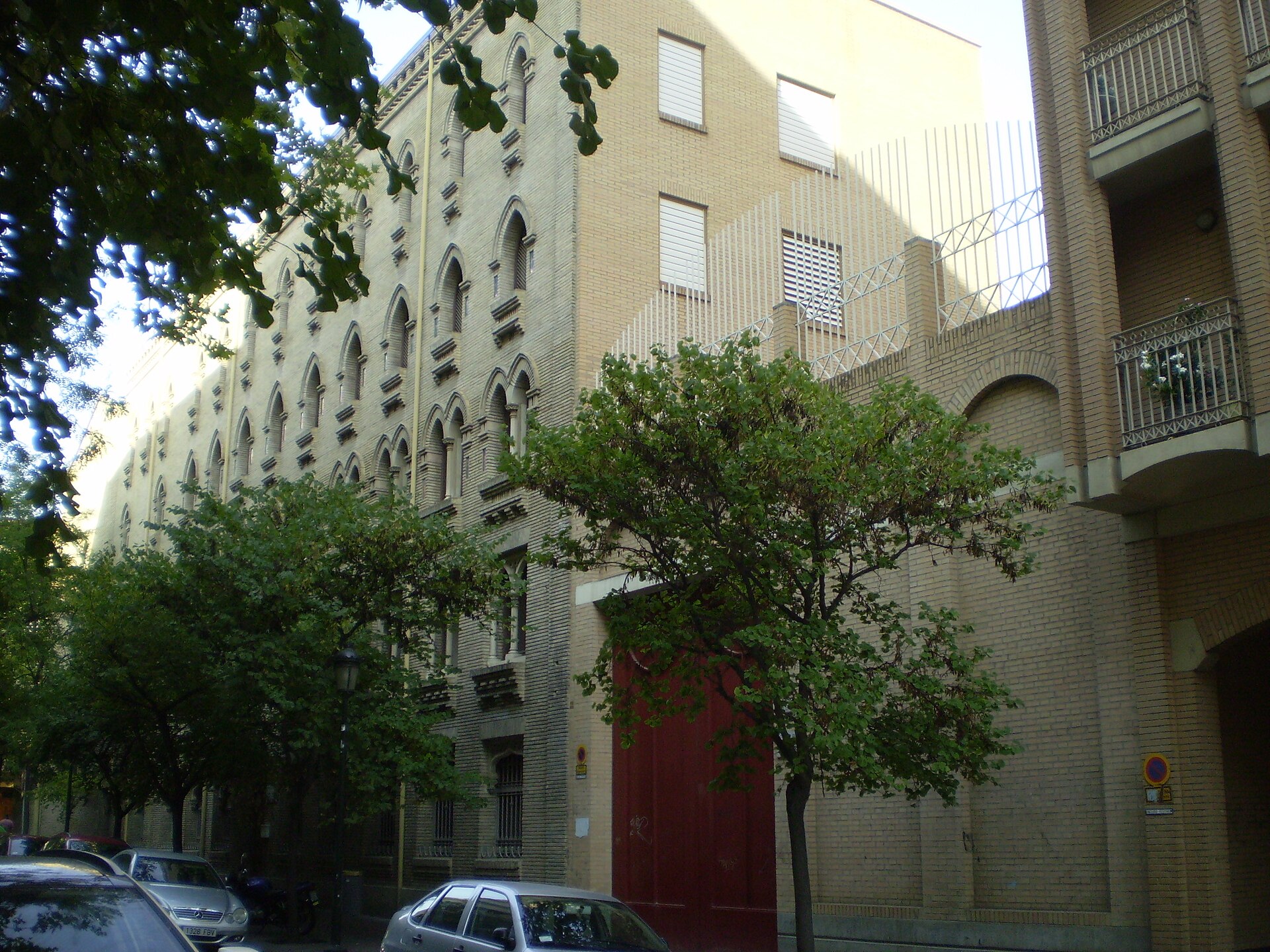
Monastery of Santa Catalina, Zaragoza
Zaragoza
-
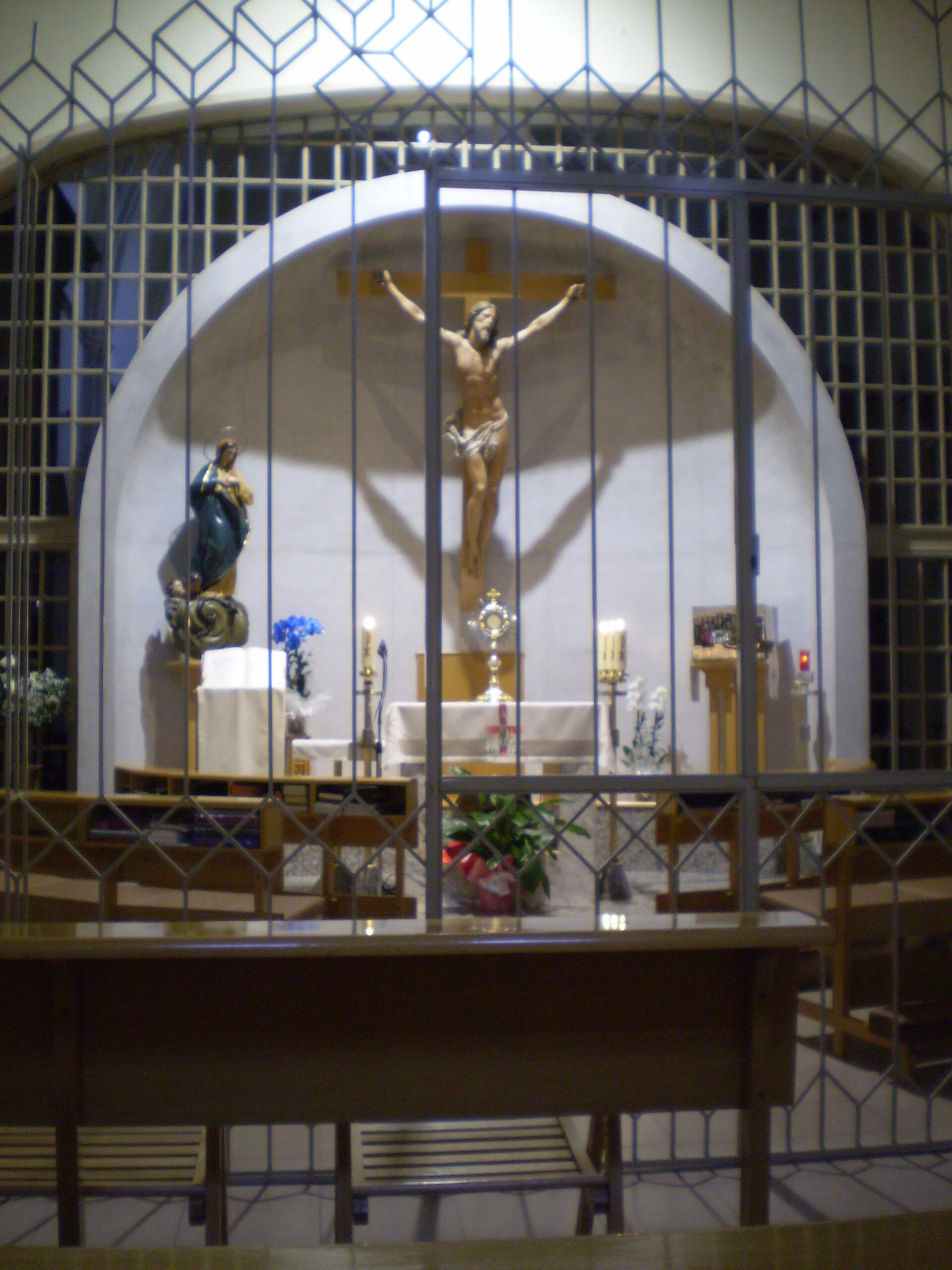
Capilla del convento de Santa Catalina, Zaragoza
Saragossa
-
Iglesia de Santo Tomás de Villanueva
Saragossa
Earn badges for the places you visit
Download NextOnTrip, discover new places and check off your trails.