- Sacred Monuments
- Religious monuments
Monastery of Santa Clara, Medina de Pomar
About this place
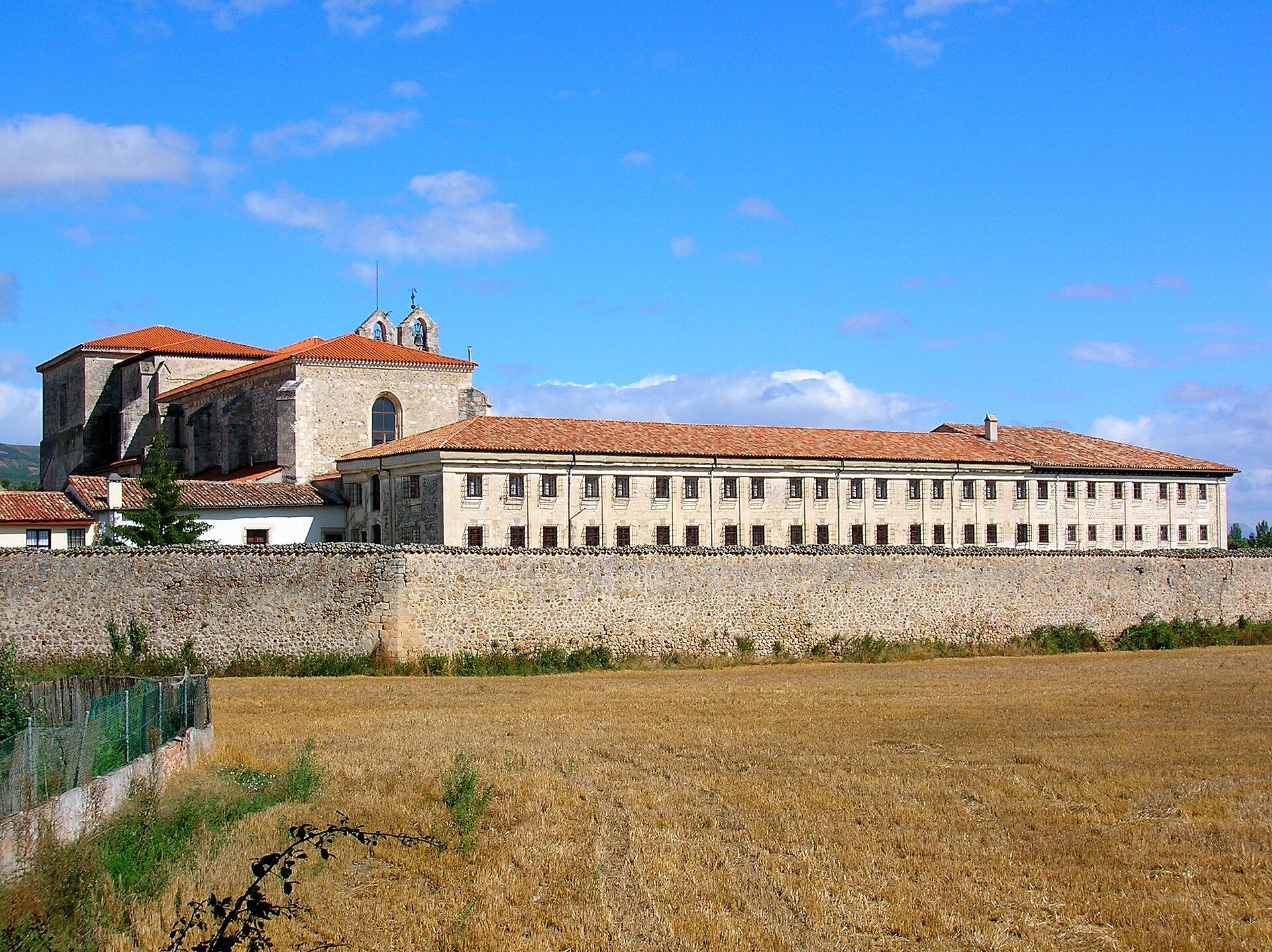
The Monastery of Santa Clara is a Gothic convent of Poor Clare nuns in Medina de Pomar, a town in the province of Burgos, in the Las Merindades region of northern Spain. Its founding is documented in a deed issued in Baeza on January 11, 1313, by Sancho Sánchez de Velasco, chief adelantado of Castile under Alfonso XI, and his wife Sancha García. For more than seven centuries since then, a community of Poor Clare sisters has lived within its walls without interruption, devoted to prayer and work. In 1992 the building was declared a Bien de Interés Cultural (Cultural Heritage Site) in the monument category.
Where is the monastery located?
The building stands on the southern edge of Medina de Pomar, next to the former Hospital de la Vera Cruz — now converted into a guesthouse — and close to the hermitage of San Millán. This setting, just outside the historic center but within easy walking distance, is typical of convents founded by noble families who wanted a degree of separation from the bustle of town life while remaining connected to it.
What can you see inside?
The interior combines a church, the attached Chapel of the Conception, a choir, and a cloister, all built predominantly in Gothic style. The church houses the family pantheon of the Fernández de Velasco lineage, who held the title of Constables of Castile and acted as patrons of the monastery for generations. Artists and workshops involved in decorating the interior included members of the Colonia family, Diego de Siloé, and Felipe de Bigarny — names central to Spanish Gothic and Renaissance art.
The complex also houses the Museum of the Constables of Castile, arranged in several rooms covering both the history of the family and the daily life of the Poor Clare community. Among its most important pieces is the Cristo Yacente (Recumbent Christ), carved by Gregorio Fernández between 1622 and 1624 and ranked among the five finest works by the sculptor. The collection also includes a Flemish panel attributed to Hans Memling, dating from the last third of the 15th century, and a large funeral cloth dated to 1528.
How do you get to Medina de Pomar?
Medina de Pomar sits in the northern part of Burgos province, in the Las Merindades region, and is well connected by road to the city of Burgos as well as to the Basque cities of Vitoria-Gasteiz and Bilbao. The monastery itself lies within the town, so once you arrive the easiest way to reach it is on foot — it is a short walk of a few minutes from the historic center.
When is the best time to visit?
Because the monastery remains an active religious community, visits follow set opening hours rather than free access throughout the day. It is best to plan a visit during daytime hours outside the community's prayer times, and to check the current schedule before travelling, since — as a working convent — hours can vary by season and liturgical calendar.
Frequently asked questions
Who founded the Monastery of Santa Clara in Medina de Pomar? It was founded in 1313 by Sancho Sánchez de Velasco, chief adelantado of Castile, and his wife Sancha García, based on a deed issued in Baeza.
Do nuns still live in the monastery today? Yes, a community of Poor Clare sisters has lived there continuously since its founding, making it a living religious site rather than only a museum.
What is the most valuable piece in the monastery's museum? The Cristo Yacente by Gregorio Fernández, carved in 1622-1624, is considered one of the artist's five best works and is regarded as the museum's centerpiece.
What is the monastery's connection to the Constables of Castile? The church contains the family pantheon of the Fernández de Velasco family, who held the hereditary title of Constable of Castile, and the on-site museum is dedicated to their history.
Nearby places

Earn badges for the places you visit
Download NextOnTrip, discover new places and check off your trails.