About this place
The Monastery of Santo Espíritu sits in the Toliu valley within the Sierra Calderona mountains, close to the small town of Gilet in Valencia province. Tucked among pine-covered hills, this Franciscan monastery has served as a place of prayer and retreat for more than six centuries, and today it also welcomes overnight guests looking for quiet.
How did the monastery come to be?
The story starts in 1402, when María de Luna, wife of King Martin I of Aragon, purchased land in the Toliu valley from Jaumeta de Poblet, lady of Gilet. The foundation was largely an act of gratitude tied to the pacification of Sicily — the queen handed the land over to Franciscan friars, who settled here permanently. From that point the monastery grew into one of the more important religious houses in the Valencia region.
What has the building lived through?
The monastery's history has been far from calm. In the 16th century it was destroyed and looted by Berber pirates raiding the Valencian coast, forcing a full reconstruction in 1547. The Peninsular War brought another rupture in the early 19th century, when the friars left and the building was turned into a hospital. The Franciscans returned in 1813, but Spain's church-property seizures soon after stripped the monastery of the extensive pine forests that had surrounded it, transferring them to the state. In 1835 the friars were forced out again, coming back for good only in 1878. The hardest chapter came during the Spanish Civil War, when the monastery was ransacked and the community scattered until the fighting ended. After the war the building filled with novices once more and gradually opened its doors to visitors.
What will you see there?
The present church was built in stages between 1679 and 1790, which explains the blend of Baroque-era architectural details visible inside. The nave and cloisters keep the modest, contemplative character typical of Franciscan spirituality — no excess, but a tangible sense of a place shaped by more than 600 years of prayer. The setting itself, wedged between pine-covered hills, is part of the experience: the quiet and the smell of the forest reach visitors from the moment they park.
How to get there and when to go?
The monastery lies a few kilometers from the center of Gilet, at the end of a local road that winds through the hills of the Sierra Calderona. It suits travelers who want to pair a visit with a short walk in nature, since nearby trails work well as a warm-up or cool-down around the visit. Because the site also functions as a guesthouse, it's worth checking opening hours for visitors in advance, especially outside morning hours or on days with religious services. Spring and autumn bring the most comfortable temperatures for walking the surrounding hills, while summer can turn hot and dry.
Frequently Asked Questions
Who founded the monastery in Gilet? María de Luna, wife of King Martin I of Aragon, founded it in 1402 after buying land in the Toliu valley.
Which religious order runs the monastery? Franciscan friars have looked after it since the beginning, and — apart from interruptions caused by wars and church seizures — remain there today.
Can visitors stay overnight? Yes, the monastery operates as a guesthouse and retreat center, popular with people seeking a quiet stay.
Has the monastery ever been destroyed? Yes, Berber pirates sacked it in the 16th century, and during the Spanish Civil War it was looted and the friars forced to disperse.
Nearby places
-

Church of the Immaculate
Albalat dels Tarongers
-
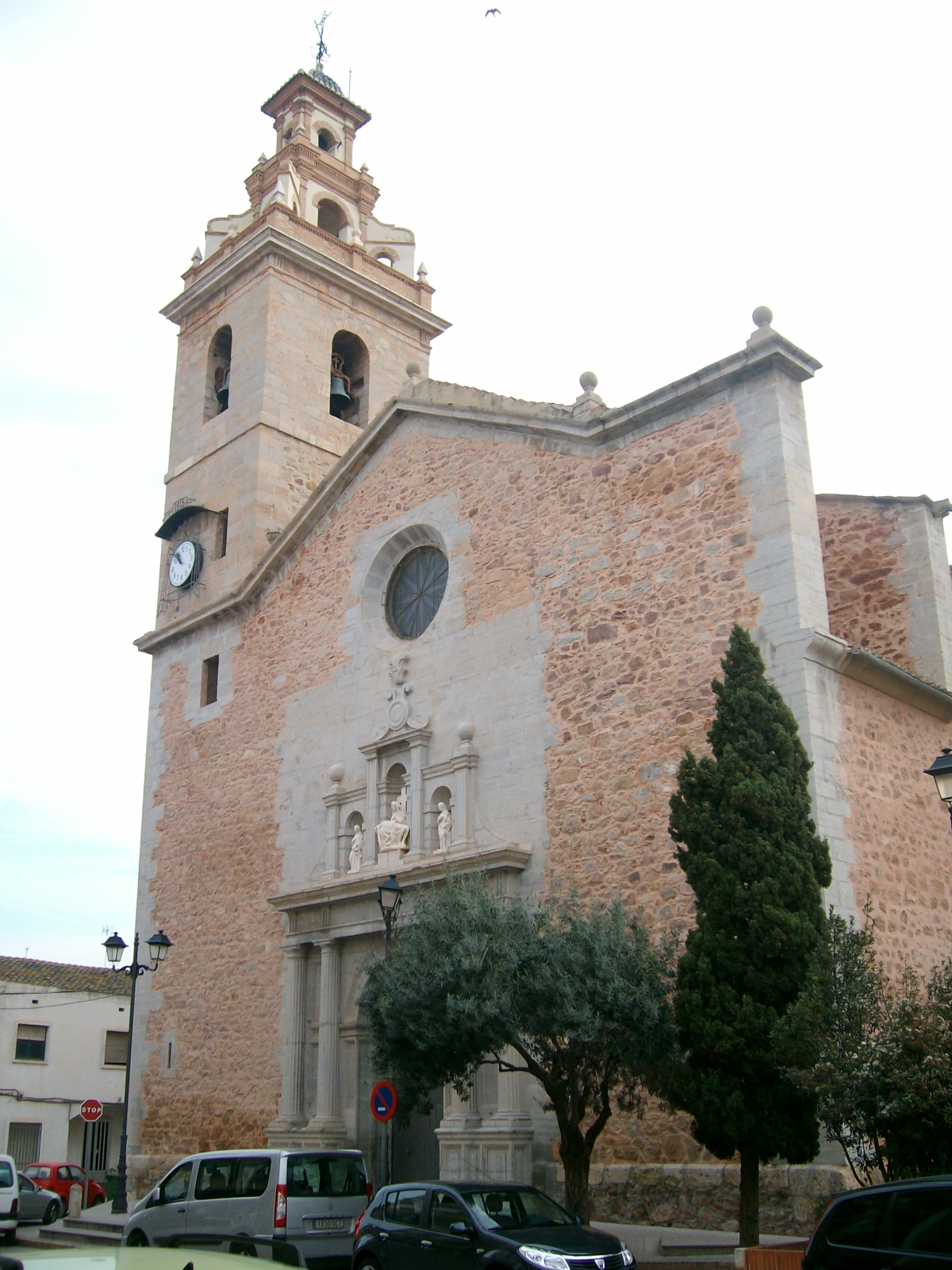
Church of Sants Joans, Puçol
Puçol
-
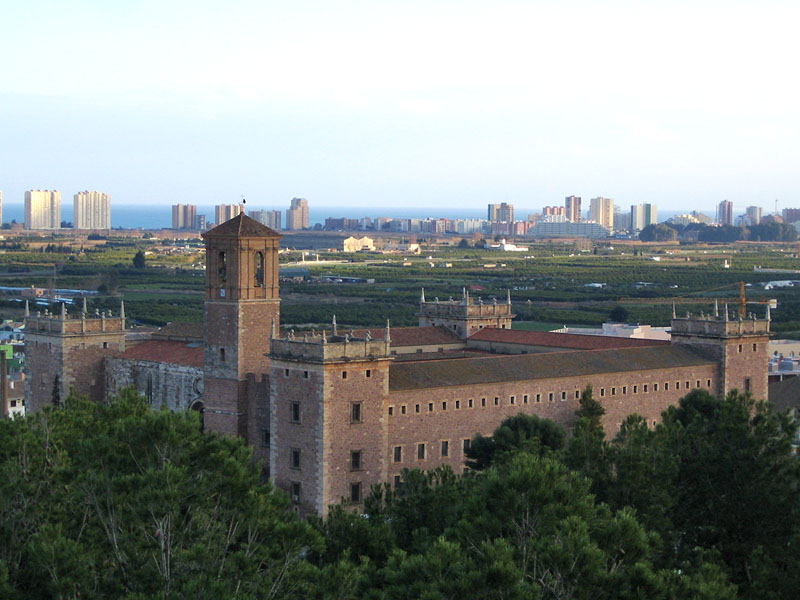
Monastery of Santa Maria, El Puig
el Puig de Santa Maria
-
Església de Sant Agustí d'Alfara de la Baronia
Alfara de la Baronia
-
Ermita de la Mare de Déu dels Afligits d'Alfara de la Baronia
Alfara de la Baronia
-
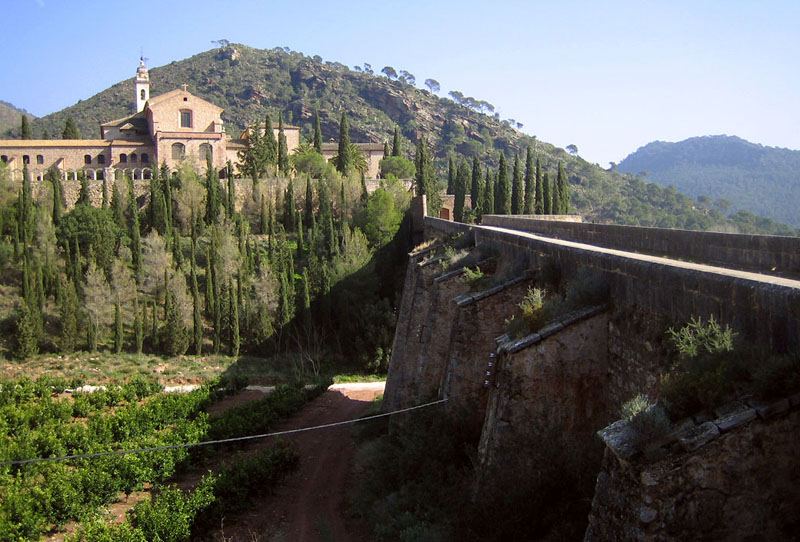
Cartuja de Porta Coeli
Serra
Earn badges for the places you visit
Download NextOnTrip, discover new places and check off your trails.