About this place
Monasterio de Urdax is a monastic complex in Urdazubi/Urdax, a small town in Navarre just two kilometers from the French border, at the northern edge of the Baztán valley.
What is the history behind the monastery?
The site dates back to the 11th century, when a small community of Augustinian canons established a pilgrims' hospital here, serving travelers on the Camino de Baztán, one of the branches of the Way of St. James to Santiago de Compostela. Around the turn of the 12th and 13th centuries, the monastery joined the Premonstratensian order, and it remains the only monastery this order ever founded in the Kingdom of Navarre. During that period the monks built a network of canals, bridges and a mill in the surrounding area — the town's name, Urdazubi, actually derives from the Basque word for bridge ("zubi") combined with water. Until 1785, the monastery's abbot held feudal lordship over both Zugarramurdi and Urdax.
The building's history is marked by two major fires. The first broke out in 1526, around the time Navarre was losing its independence. The second and far more damaging one struck in 1793, during the War of the Convention against revolutionary France, destroying a monastic library of more than 9,000 volumes. The same conflict saw French troops loot the monastery, forcing the community to take refuge in Loyola; they did not return to Urdax until 1806. Nothing survives from the medieval structure — what visitors see today dates largely from the monastery's golden age in the 16th and 17th centuries.
What can you see on site?
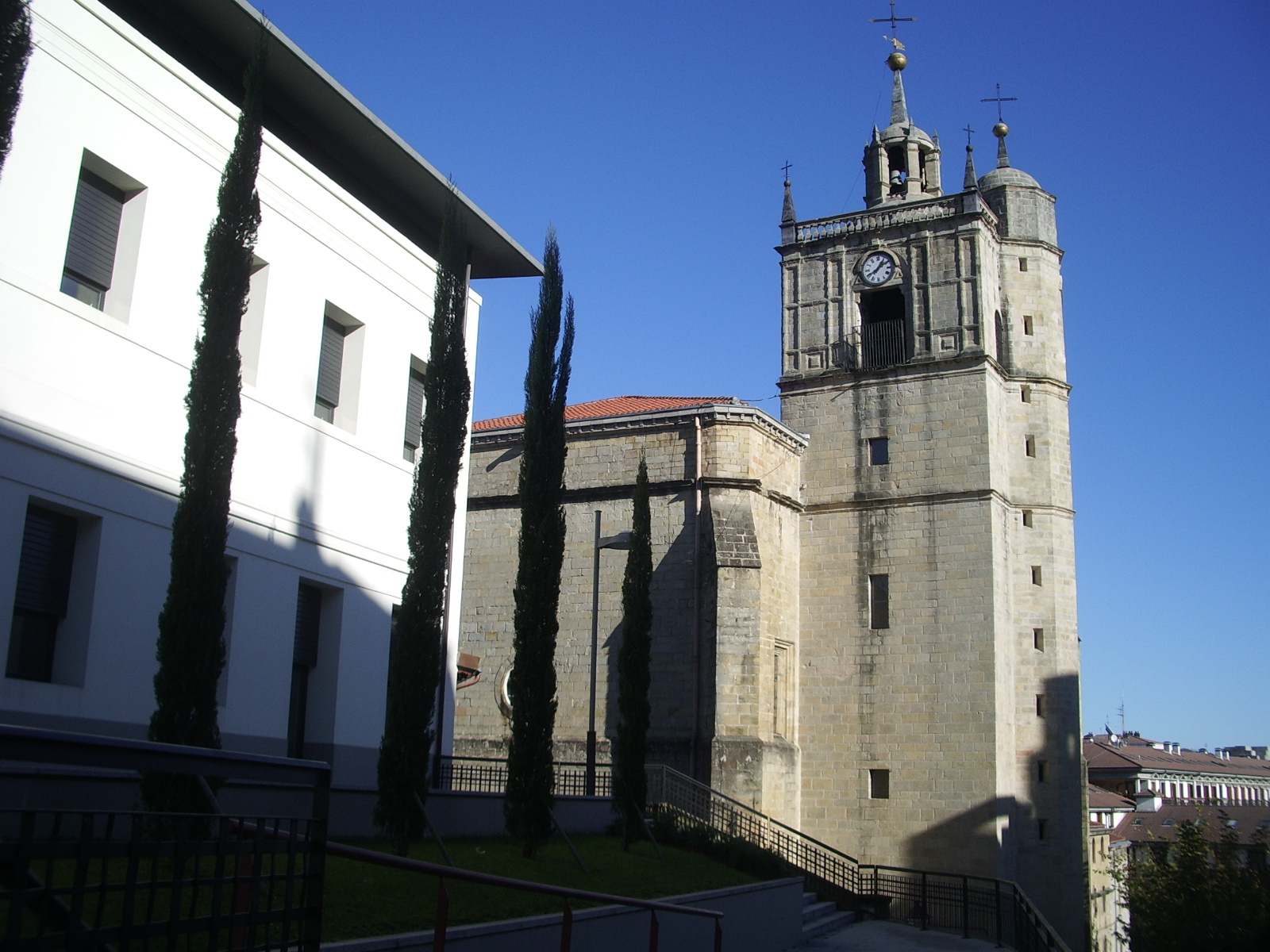
At the heart of the complex are the church and the cloister, built in the late 17th century in the sober, restrained style typical of Premonstratensian architecture, faced in the reddish stone characteristic of the region. Above the cloister sits the Museo de San Salvador, a museum with audiovisual displays and information panels tracing the story of Urdax from its origins as a pilgrims' hospital through the monastery's era of splendor to the present day. Its rooms also hold a permanent collection of paintings and contemporary sculpture.
It's worth keeping in mind that the monastery itself stands beside an old pilgrimage route to Santiago de Compostela, which explains its original purpose and the traces of that role still visible in the architecture today.
How do you get there and when's the best time to visit?
Urdazubi/Urdax is easily reached from the Baztán valley and from the nearby border crossing into France, making the monastery a convenient stop for anyone combining a tour of Navarre with a side trip across the border. Since part of the visit centers on the museum, it's best to plan around its opening hours, which are worth checking locally in advance, as small Navarrese towns often run on seasonal schedules.
Frequently asked questions
Can you visit the inside of the monastery in Urdax? Yes — the church, the 17th-century cloister, and the Museo de San Salvador above it, which covers the site's history, are all open to visitors.
Why the Premonstratensians rather than another order? The monastery was originally run by Augustinian canons, but around the 12th–13th century it passed to the Premonstratensian order, making it the only monastery this order founded in the former Kingdom of Navarre.
Where does the name Urdazubi come from? It refers to a bridge ("zubi" in Basque) and water — in the 12th and 13th centuries, the monastery's monks built canals, bridges and a mill in the surrounding area.
What happened to the original medieval building? Nothing of it survives; today's complex dates mainly from the 16th and 17th centuries, following damage from fires in 1526 and 1793 and looting by French troops during the War of the Convention.
Nearby places

Earn badges for the places you visit
Download NextOnTrip, discover new places and check off your trails.