About this place
The Hermitage of Santa Elena, in Irun, in the Basque Country, is a small chapel standing on the bank of the Bidasoa river in the Meaka district. It is one of the few places in the region where sacred architecture sits directly on top of archaeological layers going back to Roman times.
What lies beneath the chapel?
The current building, raised in the 14th century and reworked in the 16th, is not the first religious structure on this spot. Excavations have revealed an earlier Roman temple from the late 2nd century AD, built from roughly hewn local stone with a thatched roof and a rammed-earth floor. That temple remained in use until at least the 4th century. Beneath it, archaeologists uncovered a cremation necropolis dated to 50–150 AD. In Roman times Irun was known as Oiasso, a significant point on the trade route linking Aquitaine with the Iberian Peninsula, which explains why remains this old survive here.
What does the building look like today?
The chapel has a rectangular floor plan, a four-sided sloped roof and stone walls. Its doorway stands out for its Isabelline style, a late-Gothic decorative mode typical of Spain around the turn of the 15th and 16th centuries, marked by richly carved arches and stonework. The building's modest size contrasts with the weight of its history: it is a spot where pagan and Christian worship overlap across nearly twenty centuries.
How far back does the written record go?
The oldest known written mention of Santa Elena dates to 1530, found in the text of a will. It is not, however, the earliest reference to hermitages in Irun overall — a 1673 list of local chapels named six of them: Santa Elena, San Marcial, San Antonio, Artiga, Elizatxo and San Anton. That shows how densely this small borderland area with France was once dotted with places of worship.
What role did it play in the life of the town?
The hermitage housed the seat of the Brotherhood of Santa Lucia. In the 18th century, up to seven processions a year were held here, attended by the parish council and the town council, along with solemn masses and local festivities. The hermitage was therefore not only a place of prayer but also a hub of communal life in Irun, where religion, local administration and popular tradition intersected.
Is there anything else worth seeing nearby?
Right next to the chapel stands a spring known as the Fuente de Santa Elena, long associated with the site and woven into local tradition. The setting — the bank of the Bidasoa in the Meaka district — is quiet and set apart from the bustle of central Irun, which makes this a stop better suited to visitors interested in history and archaeology than a heavily built-up tourist attraction.
Frequently Asked Questions
Where is the Hermitage of Santa Elena located? In Irun, in the Basque Country, in the Meaka district, on the bank of the Bidasoa river.
Are there Roman remains beneath the chapel? Yes. Archaeologists found a Roman temple from the late 2nd century AD there, along with an older cremation necropolis from 50–150 AD.
What period does the current building date from? The core structure was built in the 14th century, with major reworking in the 16th century; the doorway is in Isabelline style.
Is there anything else to see nearby? Yes, next to the chapel stands the historic Fuente de Santa Elena spring.
Nearby places
-
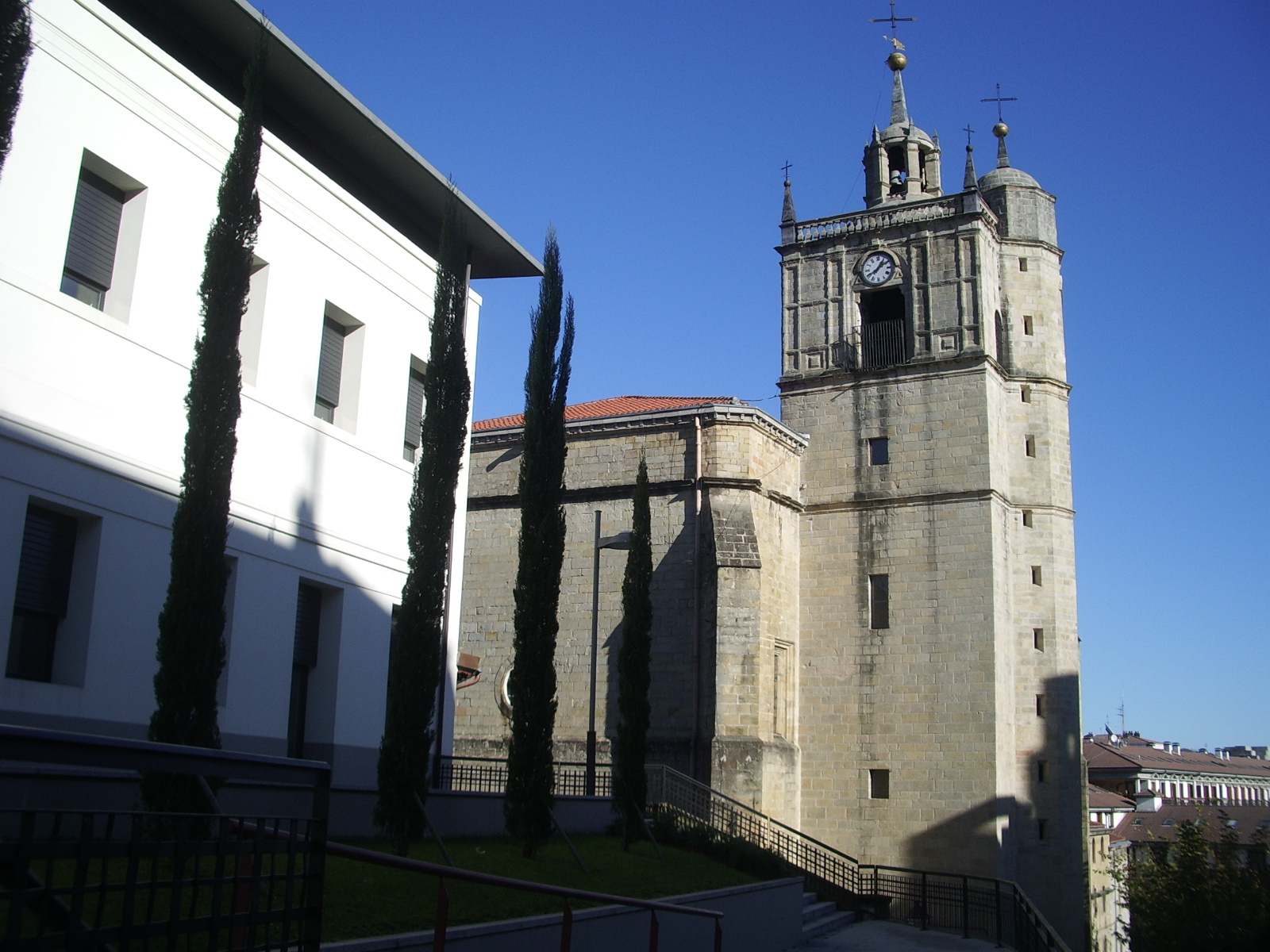
Church of Nuestra Señora del Juncal, Irún
Irun
-

Church of Santa María del Manzano, Hondarribia
Hondarribia
-
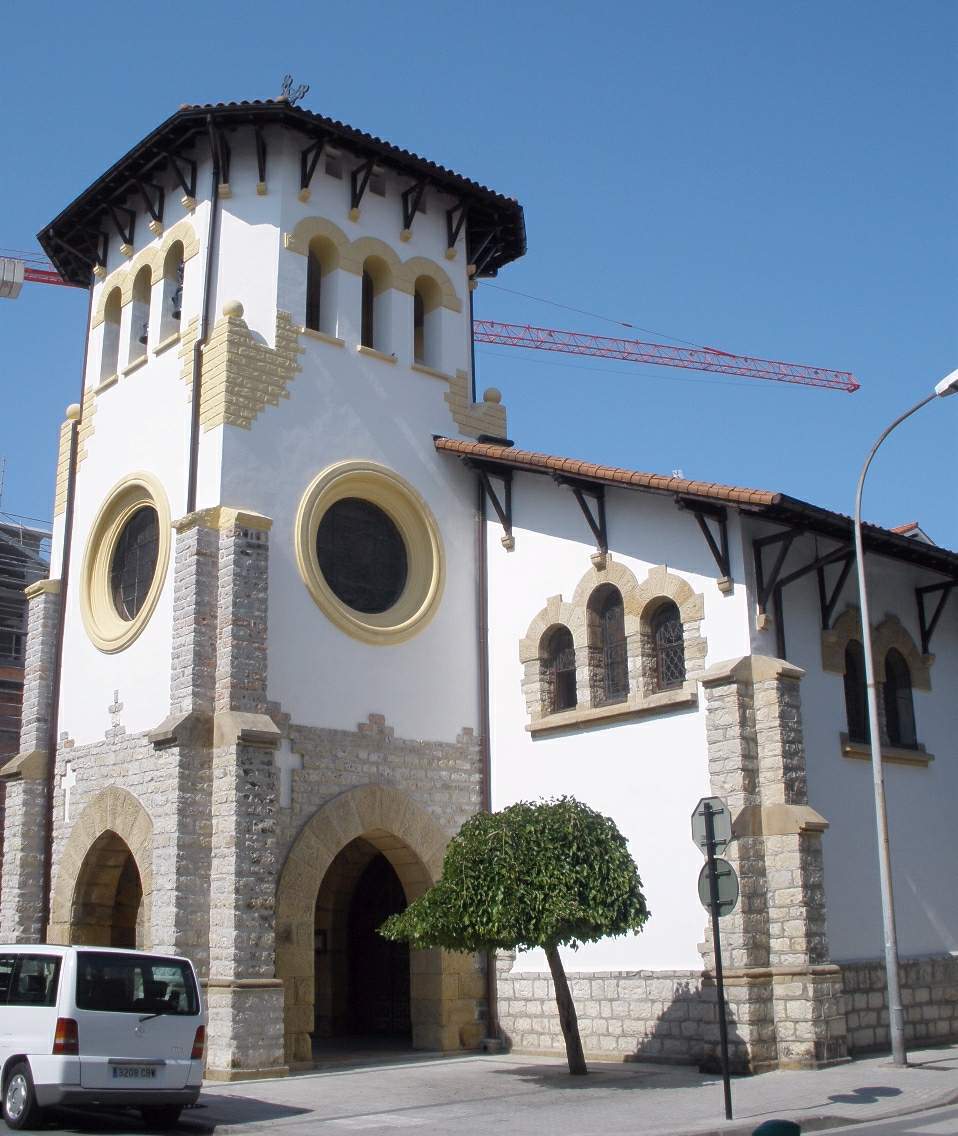
Church of Santa María Magdalena, Hondarribia
Hondarribia
-
Sanctuary of Virgen de Guadalupe, Hondarribia
Hondarribia
-
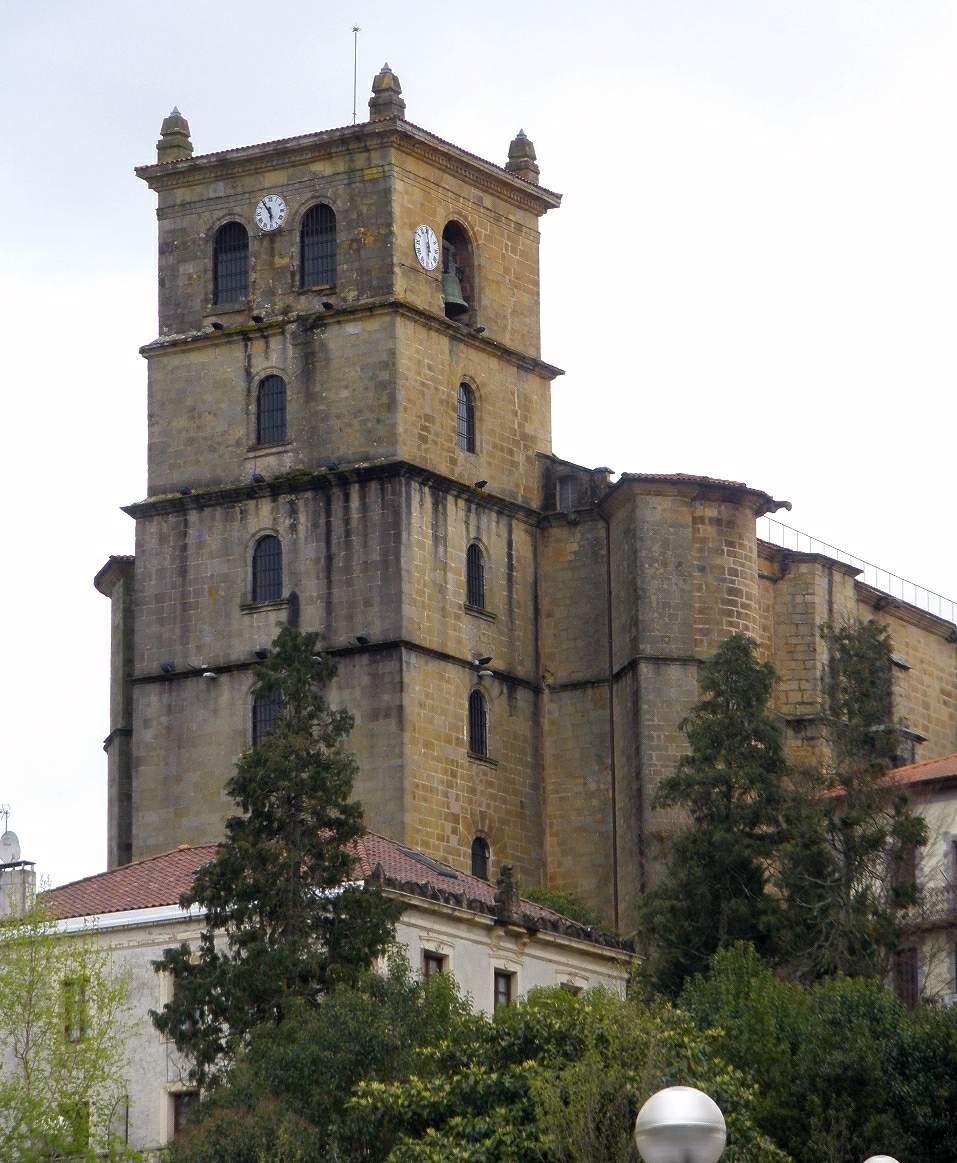
Church of San Esteban, Oiartzun
Oiartzun
-
Church of San Juan Bautista, Lezo
Lezo
Earn badges for the places you visit
Download NextOnTrip, discover new places and check off your trails.