About this place
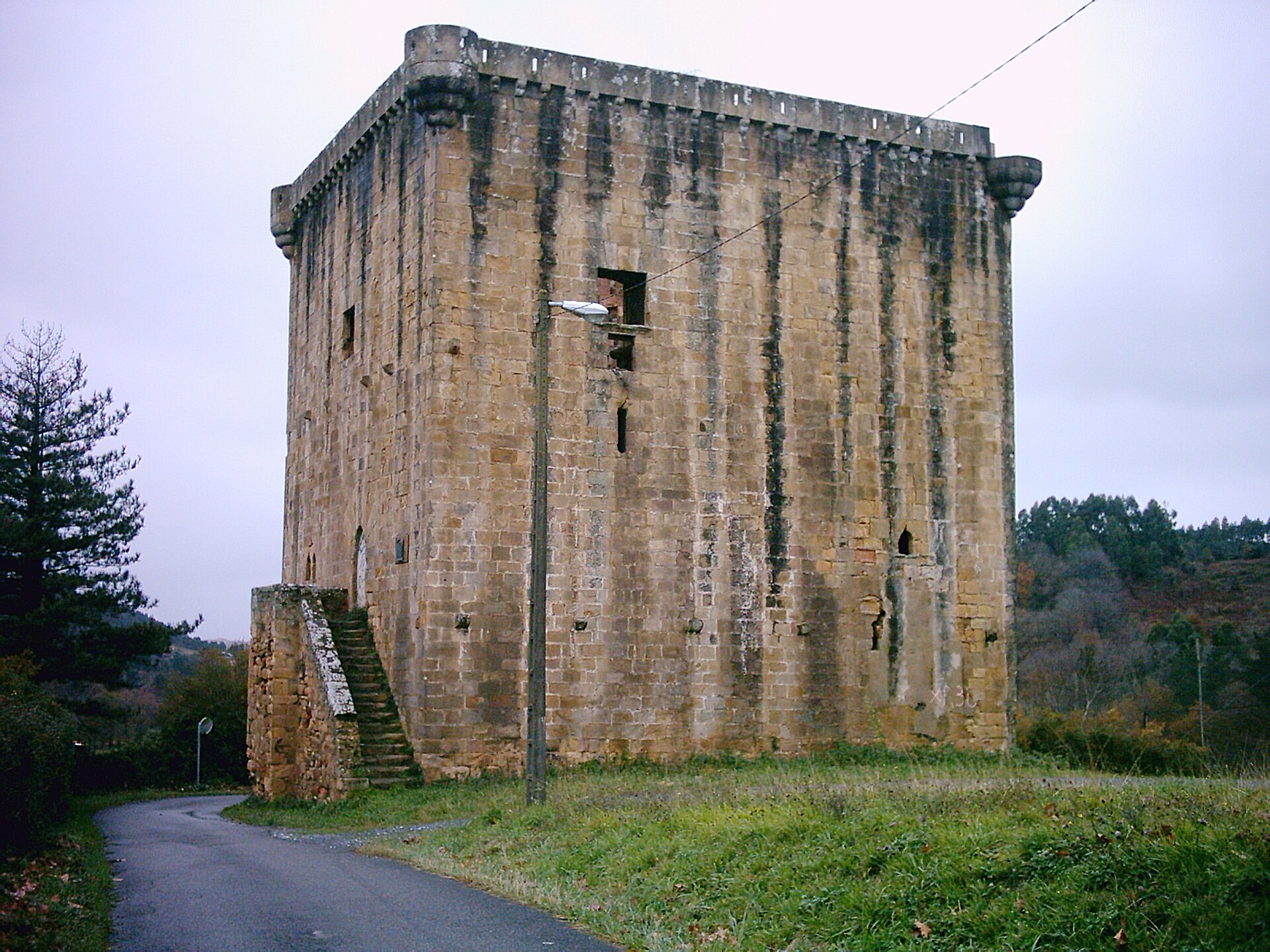
Martiartu Tower is a medieval defensive and residential tower in the Goierri district of Erandio, in the Basque Country, standing on the lower slope of Mount Umbe above the Udondo valley.
How do you get there?
Erandio sits inside the Bilbao metropolitan area, right next to Loiu airport, so it's only a short drive or public-transport ride from downtown Bilbao. The tower lies along the Bilbao Metropolitan Green Belt (Cinturón Verde), a network of walking trails linking the region's green spaces, so many visitors reach it on foot or by bike as part of a longer walk through the surrounding hills.
What will you see?
The tower's current form dates to the first quarter of the 16th century, though it hides fragments of an earlier structure from the late 14th or early 15th century. It was originally built by Martín Ortiz de Martiartu, son of Diego Pérez de Martiartu, known as "El Viejo" — at the time it controlled the route between Plentzia and Bilbao along with local roads in the area. That first tower didn't survive the turbulent politics of the period: in 1472, after the Martiartu family backed the Count of Haro in a regional power struggle and his supporters were defeated by forces loyal to the Catholic Monarchs, the tower was torn down. What stands today is the result of a thorough rebuilding carried out roughly fifty years later.
Structurally, the tower is an almost cubic block of dressed sandstone ashlar, with walls that grow thinner toward the top — at the base they measure 2.40 meters thick. The building rises about 18 meters and spans 14 meters across, with the interior split across three floors. This kind of massive construction was typical of Basque lineage towers, built to serve as both family residences and defensive strongholds during periods of conflict between rival clans.
The tower's later history is equally eventful: by the 18th century it belonged to the Barraicua family, descendants of the Martiartu line, and in the early 19th century it was let out as a rental property. In 1948, Isidro Aretxabaleta y Mota sold the tower along with its adjoining hermitage to the local council, which carried out an initial restoration completed in 1954. A far more substantial renovation began in 2021, backed by funding from the Basque Government, aimed at reinforcing the structure and rebuilding the floors and roof so the space could be adapted to new uses. In January 2023, Erandio opened the tower to the public for the first time through guided visits.
When should you visit?
The tower stands in open countryside, so spring and autumn — when Basque temperatures are mild and the surrounding hills are green — make for the most pleasant visits. In summer, an early-morning trip is best, before the trail walk gets too hot. Since access to the interior is only available through organized guided visits, it's worth checking the Erandio municipal schedule beforehand; the tower's exterior and surrounding grounds, however, can be viewed year-round.
Frequently Asked Questions
Can you go inside Martiartu Tower? Yes. Since January 2023, the Erandio council has run guided visits inside the tower, made possible by the restoration work completed shortly before.
How old is the tower? The first stone tower went up in the late 14th or early 15th century, but after being destroyed in 1472 it was rebuilt into its current form in the early 16th century.
Why was the tower destroyed in 1472? The Martiartu family sided with the Count of Haro in a regional conflict, and after his supporters were defeated by forces loyal to the Catholic Monarchs, the tower was demolished as a consequence.
Are there other attractions nearby? The tower sits along the Bilbao Metropolitan Green Belt trail network, making it easy to combine a visit with a walk through the surrounding hills and the Udondo valley, and its proximity to Loiu airport and central Bilbao makes it simple to reach.
Nearby places

Earn badges for the places you visit
Download NextOnTrip, discover new places and check off your trails.