About this place
The Maristán of Granada was a 14th-century hospital built by the Nasrid sultans, one of the few well-documented medical institutions to survive from all of Al-Andalus.
When was the Maristán built, and by whom?
Sultan Muhammad V ordered its construction in 1365, and the building was completed by 1367. It stood on the southern slope of the Albaicín hill, in the Coracha quarter, close to the banks of the Darro river. It was the only hospital of the Nasrid period in Al-Andalus for which enough documentation survives to reconstruct how it actually worked, and it was likely modelled on a similar institution in Cairo.
How did the hospital operate?
The Maristán treated poor and sick Muslims regardless of their condition, and over time it also became known for treating mental illness. Its staff included seven physicians, four of whom specialised in particular conditions, including psychiatric cases. A pharmacy staffed by three druggists served the patients, alongside a kitchen, laundry and storage rooms. Women were housed on the upper floor and men on the ground floor, with the institution able to hold around two hundred patients at a time. Its upkeep was paid for out of funds the sultan himself set aside for the purpose.
What did the building look like?
The Maristán had a rectangular floor plan measuring roughly 26 by 38 metres, covering more than 1,000 square metres in total. Two storeys wrapped around a central courtyard, which held a large rectangular pool fed by water flowing from the mouths of two marble lions positioned at the shorter ends. Eight galleries ran around the courtyard, and the building contained around fifty small cells, each about six square metres.
What happened to the hospital?
The institution declined over the centuries, and the building itself was demolished in 1844. Before its final ruin, the site had already been put to a string of other uses — a wine warehouse, stables, housing, military barracks and a prison — before being abandoned altogether. The two marble lions and the foundational inscription were moved to the Alhambra Museum, where they remain among the highlights of the permanent collection.
Can you visit the Maristán today?
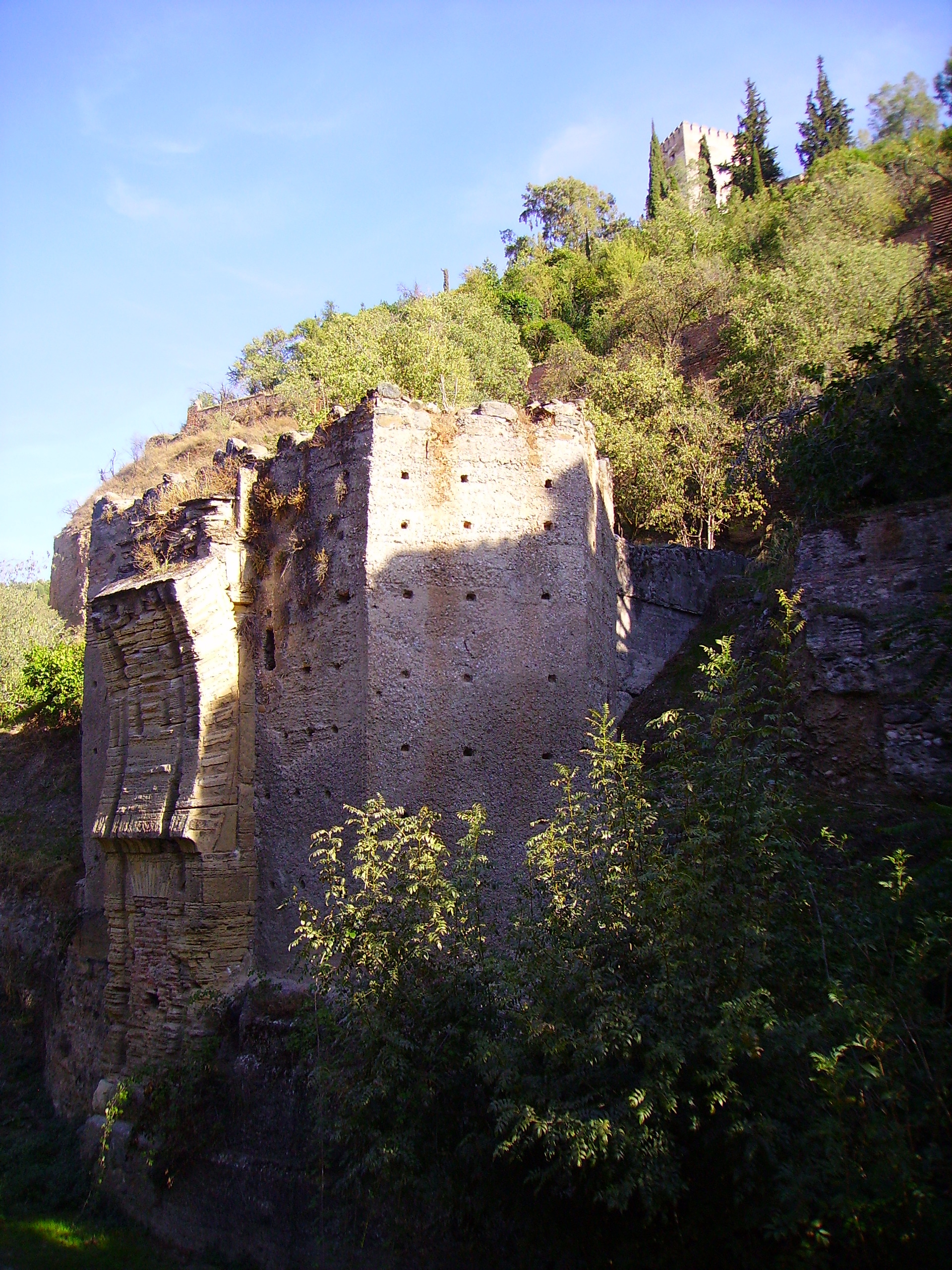
What remains of the original building is now an archaeological ruin, currently under restoration work carried out by the Patronato de la Alhambra y Generalife. The project aims to consolidate the remaining structure and eventually open the site to visitors, though access to the interior is still limited for now. A visit pairs well with a walk through the Albaicín and a stop at the Alhambra Museum, where the original courtyard lions are on display.
Frequently asked questions
Who built the Maristán in Granada? The Nasrid sultan Muhammad V, who began construction in 1365; the building was finished two years later, in 1367.
What was the building used for? It served as a hospital for poor Muslims suffering from a wide range of illnesses, and it later became known specifically for treating mental illness as well.
Why is only a ruin left today? The hospital declined over the centuries and was put to a series of other uses — warehouse, stables, barracks, prison — before being demolished in 1844.
Where can you see original pieces from the Maristán? The two marble lions that once stood in the courtyard, along with the foundational inscription, are now displayed at the Alhambra Museum in Granada.
Nearby places

Earn badges for the places you visit
Download NextOnTrip, discover new places and check off your trails.