About this place
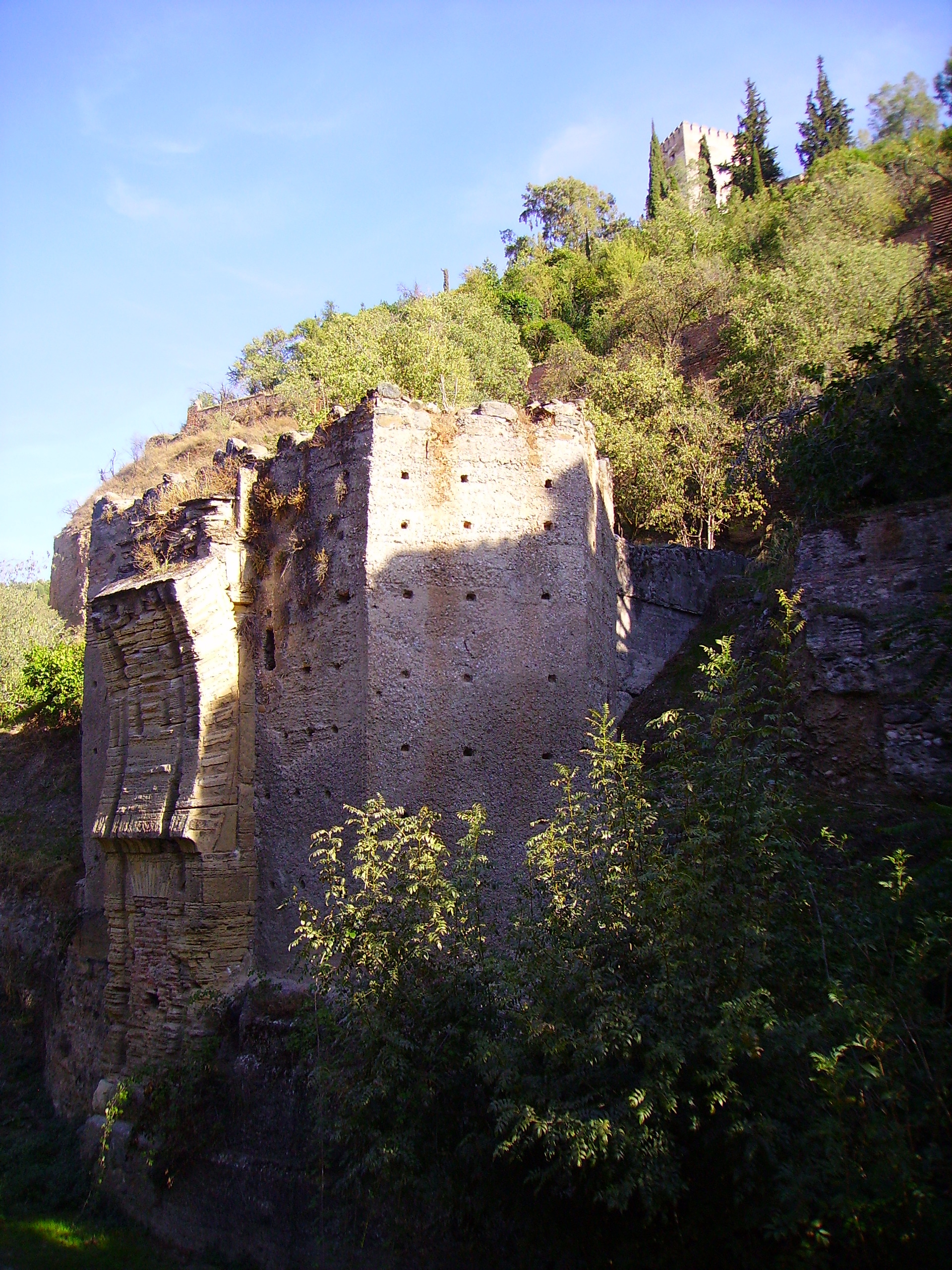
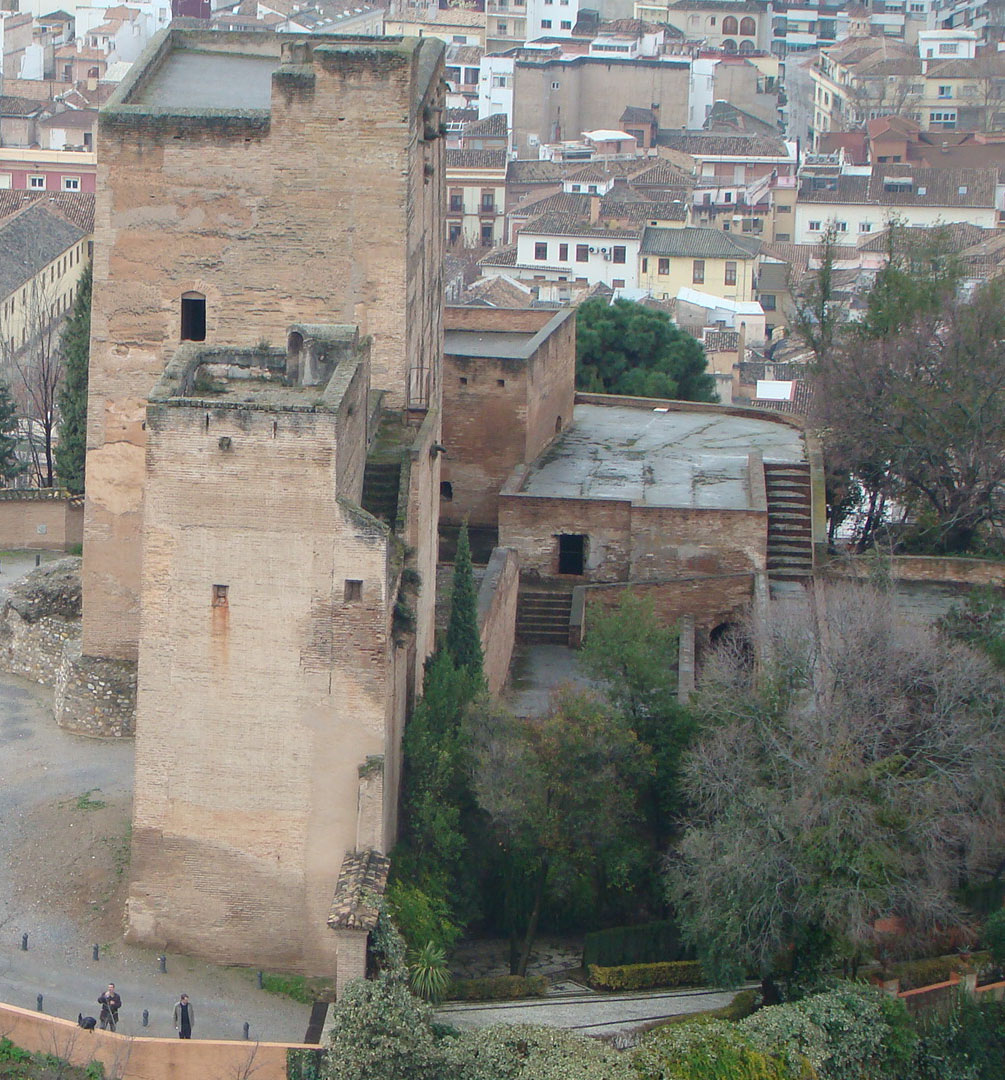
Muralla de la Alcazaba is the defensive wall enclosing the oldest section of the Alhambra complex in Granada — the Alcazaba fortress, perched on Sabika hill above the city. These stone ramparts and watchtowers were the very first part of the Alhambra to be built, long before the famous Nasrid Palaces were added.
Where do these walls come from?
The fortification's roots go back to the 9th century. In 889, Sawwar ben Hamdun took refuge in an already-standing stronghold during the conflicts between Arabs and muladíes (local converts to Islam), reinforcing its defenses. The Alcazaba's real transformation came later, in the 13th century, when Muhammad ibn Nasr, founder of the Nasrid dynasty, made Granada the capital of his emirate. He initially settled in the older Zirid fortress on the Albaicín hill, but within a few months moved to Sabika hill, where he founded a new alcazaba and began building the Alhambra as we know it today.
It was Muhammad I who extended the walls and raised the massive defensive towers, turning the old fortress into the official residence of the Nasrid rulers. At the height of the emirate, the Alcazaba was surrounded by a double defensive wall — as was the entire Alhambra complex — making it far harder to breach. Defenders poured boiling water or oil down on attackers from the ramparts, and the walls doubled as a communication route, linking the towers and letting guards move quickly along the whole defensive line.
After the conquest of Granada in 1492, the Catholic Monarchs kept the fortifications in active use — they upgraded parts of the walls to withstand artillery, a novel threat on the battlefield at the time, and repaired damaged sections. The northern stretch of wall was faced with rubble masonry to strengthen it further.
What will you see walking the Alcazaba walls?
Walking along the ramparts takes you to viewing terraces and towers that offer one of the best panoramas in Granada — the rooftops of the Albaicín district, Sacromonte hill, and, on a clear day, the peaks of the Sierra Nevada in the distance. The walls' distinctive silhouette, lined with battlements and watchtowers, still dominates the western edge of the Alhambra hill today.
The ramparts connect to the Alcazaba's key landmarks, including the complex's tallest and most recognizable tower, which offers a sweeping view over the entire city. Tradition holds that it was here, in 1492, that the flag of the Catholic Monarchs was first raised after the last Nasrid emir of Granada surrendered.
How do you get to Muralla de la Alcazaba?
The wall and the Alcazaba fortress are included in the general Alhambra admission ticket and sit right by the complex's main entrance, next to the Nasrid Palaces and the Palace of Charles V. The easiest way to reach the Alhambra is by city bus lines C30, C31, C32, or C35 from central Granada, by taxi, or on foot — the uphill walk from the cathedral area or the Albaicín takes roughly 20–30 minutes.
When should you visit?
Since the Alcazaba is an open-air defensive complex, it's most pleasant to explore in the morning, before the sun gets too strong and before the crowds build up. Spring (April–May) and autumn (October–November) are the best seasons to visit, with milder temperatures than summer and often the clearest views toward the Sierra Nevada.
Frequently asked questions
Is entry to the Alcazaba walls included in the Alhambra ticket? Yes, visiting the walls and the Alcazaba fortress is part of the general Alhambra admission ticket, with no separate fee required.
How long does it take to visit the Alcazaba on its own? Walking the walls and towers of the fortress usually takes 45 minutes to an hour, depending on your pace and how many stops you make for photos.
Do the walls offer views over the city? Yes — the towers and terraces along the ramparts provide some of the best panoramas of Granada, the Albaicín district, and the Sierra Nevada mountains.
Do you need to book Alhambra tickets in advance? Definitely — daily ticket numbers are limited, and during peak season tickets can sell out weeks ahead.
Nearby places

Earn badges for the places you visit
Download NextOnTrip, discover new places and check off your trails.