About this place
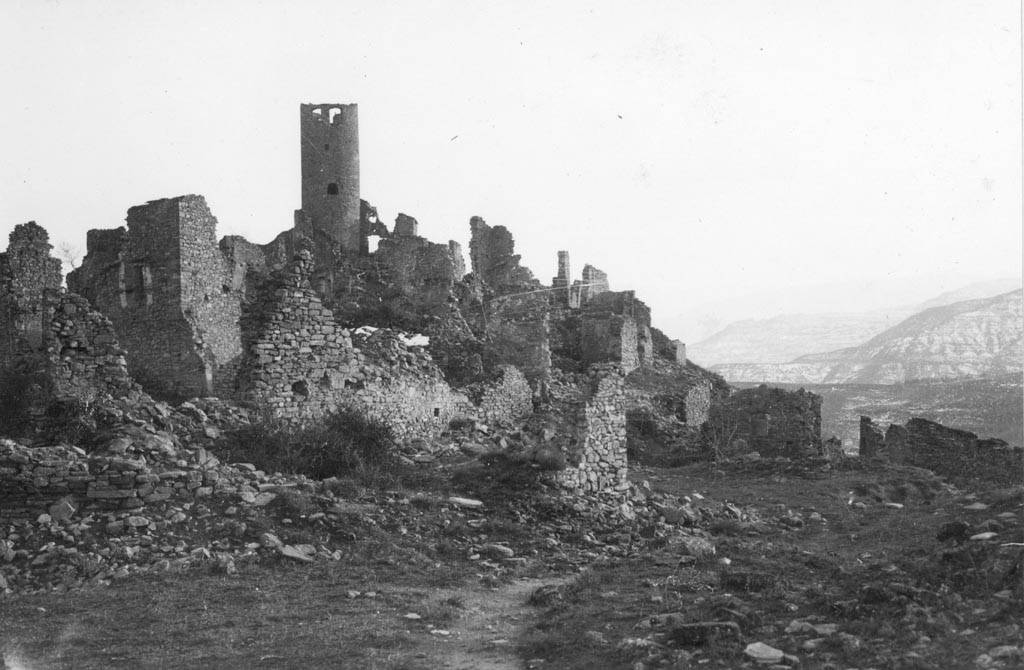
Mare de Déu del Roser de Puigmaçana is a small chapel in the municipality of Castell de Mur, in the Catalan comarca of Pallars Jussà, dedicated to Our Lady of the Rosary. It stands near Puigmaçana, a former rural settlement that is now deserted, and the chapel remains one of the few surviving traces of that hamlet.
Where is it and how do you get there?
Puigmaçana lies in the northern part of the Castell de Mur municipality, in the Pre-Pyrenean foothills, close to the Montsec range and the Terradets reservoir. This is typical Pallars Jussà territory — sparsely populated, crossed by narrow access roads leading to scattered hamlets and abandoned villages. The best starting point is the municipality of Castell de Mur itself, from where local roads run inland toward Puigmaçana. Plan on driving yourself, since the area has no regular public transport, and the final stretch often has to be covered on foot.
What is the history behind the chapel?
The chapel served the religious needs of the people who once lived in Puigmaçana, before the settlement was abandoned — a fate shared by many mountain villages in Pallars Jussà during the 20th century, as residents moved away to larger towns and valley settlements. A rosary confraternity (Confraria del Roser) was established at the chapel, following the tradition of the preaching orders that had spread the rosary devotion across Catalonia since the Middle Ages. It was the Dominicans in particular who promoted this kind of confraternity, tying communal rosary prayer to the religious life of rural parishes.
A distinctive feature of local devotion here were the goigs — Catalan devotional songs composed specifically in honour of a particular image of Mary. The Mare de Déu del Roser de Puigmaçana had its own set of goigs, sung on Marian feast days, a practice typical of small rural shrines across Catalonia, where each local chapel kept its own repertoire of hymns.
What will you see on site?
This is a modest village chapel, small in scale, typical of the single-building shrines that once served scattered mountain hamlets. Puigmaçana itself, as an abandoned settlement, adds a particular atmosphere to the place: the chapel stands amid land that has lost its permanent residents, a fate common to many communities in Pallars Jussà. Visitors interested in traces of rural religious architecture and the history of depopulated Pyrenean hamlets will find here a starting point for exploring the surrounding area further.
Within the Castell de Mur municipality, it's worth extending the trip to other heritage sites — the region is known for Romanesque architecture and medieval remains tied to the former county of Pallars. The Pallars Jussà landscape itself, with views over the Montsec range and the Noguera Pallaresa valley, is an attraction in its own right for hikers.
When should you visit?
Given the mountainous terrain and the lack of on-site tourist infrastructure, spring and autumn are the best times to visit, when temperatures are mild and access roads are easier to travel. Summers can get hot, while winter can make the roads to scattered hamlets harder to reach. It's worth planning the visit as part of a broader route through Pallars Jussà, combining it with other heritage points in Castell de Mur.
Frequently asked questions
Is the chapel open to the public? The site sits within an abandoned rural settlement with no permanent tourist infrastructure — visiting means exploring the area independently.
Why was Puigmaçana abandoned? The hamlet shared the fate of many mountain communities in Pallars Jussà, which lost their population during the 20th century as residents migrated to larger towns and valley settlements.
What are the goigs sung at the chapel? They are Catalan devotional songs composed in honour of a specific image of the Virgin Mary — this chapel had its own repertoire, performed during feast days linked to the cult of Our Lady of the Rosary.
Are there other attractions nearby? Yes — the Castell de Mur municipality and the wider Pallars Jussà comarca offer medieval heritage sites and the landscapes of the Montsec range and the Noguera Pallaresa valley, both worth combining with this visit.
Nearby places

Earn badges for the places you visit
Download NextOnTrip, discover new places and check off your trails.