About this place
Grotte du Déroc is a karst cave in the commune of Vallon-Pont-d'Arc, in the Ardèche department, right in the heart of the Gorges de l'Ardèche region. Its entrance opens on the left bank of the Ibie river, close to where it meets the Ardèche, at an altitude of around 190 metres. It is one of many caves carved into the Cretaceous limestone that defines this part of France, an area riddled with underground galleries, gorges and natural rock arches.
What kind of cave is it?
Déroc is a horizontal cavity with a surveyed length of roughly 1,410 metres, and its interior holds a fairly constant temperature of about 11°C year-round. Sediment deposits inside the galleries preserve traces of an older, now-vanished underground loop of the Ardèche river — a detail that makes the cave a genuine object of karst research quite apart from its archaeological fame.
Why does it matter archaeologically?
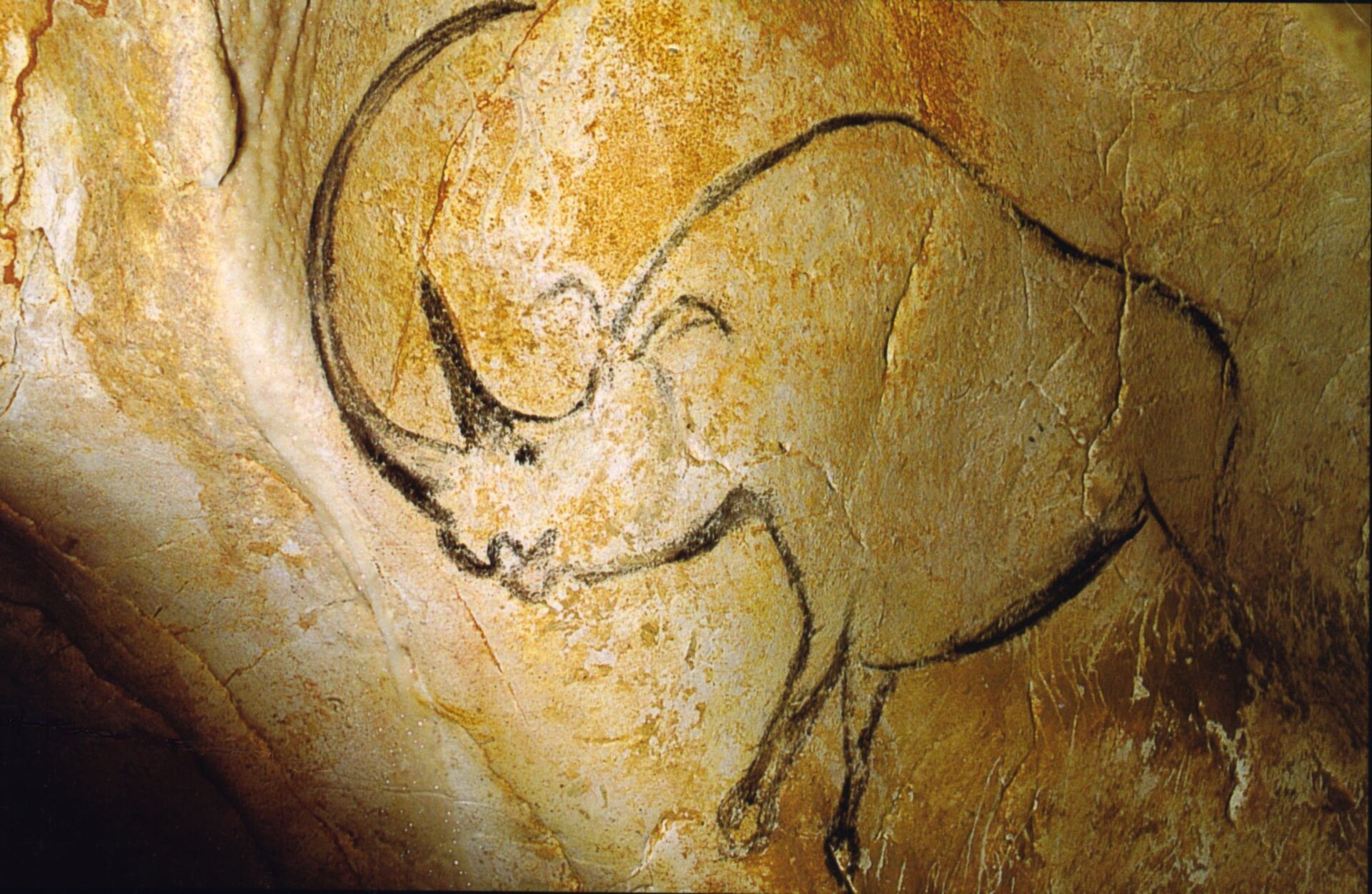
Déroc counts among the region's decorated caves: its walls hold Upper Paleolithic rock art, including depictions of ibex and series of dot marks whose style has drawn comparisons with motifs found in the nearby Chauvet Cave. The cave was first mentioned and explored back in the 19th century, but it was the discovery of red paintings in 1973, 2002 and 2007 that renewed scientific interest and confirmed its importance to Paleolithic research.
A separate chapter in the cave's story is a hoard of bronze objects unearthed in 1883 — a set of metal ornaments considered significant for understanding the Bronze Age in the south-eastern Massif Central. The finds, including a vessel dated to the final Bronze Age (Bronze final IIIb), are now held at the museum in Nîmes.
How is it protected?
Given its historical value, Grotte du Déroc has been listed as a historic monument (monument historique) since two successive registrations on 25 August 1995 and 30 June 1997, with full classified-monument status added on 15 May 2017. The site also falls within a Natura 2000 area and a designated "site classé".
Its ecological role matters just as much: Déroc shelters the largest known wintering colony of Mediterranean horseshoe bats in the Auvergne-Rhône-Alpes region. Because of this, the cave is closed to visitors every year from 1 November to 15 April, so the colony can hibernate undisturbed.
How do you visit?
Outside the protected season, Déroc is open to caving (spéléologie) enthusiasts and is described as an easy cave to access, typically visited through organised underground outings run by local clubs and caving operators based around Vallon-Pont-d'Arc. It is not a show-cave with a lit, self-guided trail — entry calls for caving gear and usually a guide, both because of the terrain and because of the site's protected status.
While in the area, it is worth setting aside time for the wider Gorges de l'Ardèche: the famous Pont d'Arc natural arch, canoe trips down the gorge, and the other karst caves scattered through the same commune — each one, it is worth remembering, a distinct site in its own right.
FAQ
Where exactly is Grotte du Déroc located? In the commune of Vallon-Pont-d'Arc, Ardèche department, on the left bank of the Ibie river, within the Gorges de l'Ardèche region.
Can you visit the cave on your own? No — it is not a self-guided tourist cave. Access is through caving trips, usually with a guide or a local club.
When is the cave closed? From 1 November to 15 April, access is suspended to protect the wintering colony of Mediterranean horseshoe bats.
What has been found inside? Upper Paleolithic rock art, including ibex figures, and a hoard of bronze objects discovered in 1883, now held at the museum in Nîmes.
Nearby places

Earn badges for the places you visit
Download NextOnTrip, discover new places and check off your trails.