About this place
Grotte de Louoï is a karst cave in the commune of Vallon-Pont-d'Arc, in the Ardèche department, right in the heart of the Gorges de l'Ardèche. Beyond its natural setting, the cave holds real archaeological weight: its sediments have yielded human remains and tools spanning thousands of years, making it one of the quieter but scientifically valuable sites of this limestone landscape.
Where exactly is Grotte de Louoï located?
The cave sits within the municipality of Vallon-Pont-d'Arc, the town best known for the Pont d'Arc natural rock arch and the limestone canyon carved by the Ardèche river. The wider area is riddled with underground cavities hollowed out of the plateau, and Louoï is one of several such caves in this stretch, each with its own gallery layout and excavation history.
What does the cave look like inside?
Grotte de Louoï runs for roughly 320 metres, following a gentle but steady downward slope rather than the sharper drops found in some neighbouring caves. A distinctive feature of its layout is that the main gallery develops perpendicular to the axis of the cliff face into which it was carved, setting it apart from other nearby cavities. This unusual orientation is part of why researchers still debate whether Louoï once belonged to a much older underground network linked to the Ibie river, before that river cut down deeper into the valley floor.
What have archaeologists found there?
Excavations at Grotte de Louoï have produced a substantial body of evidence. Diggers recovered 170 teeth belonging to at least six adults and nineteen children, pointing to the cave's use as a burial site in ancient times. Alongside the human remains, they found pottery fragments dating to the Final Neolithic period and a single flint tool with clearly Palaeolithic characteristics. That last find matters: it hints that older, still unexplored Palaeolithic layers may lie beneath the more disturbed Neolithic and Bronze Age deposits closer to the surface.
Can visitors go inside?
Grotte de Louoï is not a show cave with a lit, paved circuit — it is a wild karst cavity, and visiting it is really a matter for people interested in caving rather than casual sightseeing. Entry does not call for technical climbing gear, which is why the cave is sometimes mentioned as a suitable spot for an introduction to speleology, but exploring any karst cave still carries risk and is best done cautiously, ideally with an experienced guide or a local caving club. The site's scientific and cultural significance was formally recognised when it was listed as a historic monument by decree on 25 August 1995.
Frequently asked questions
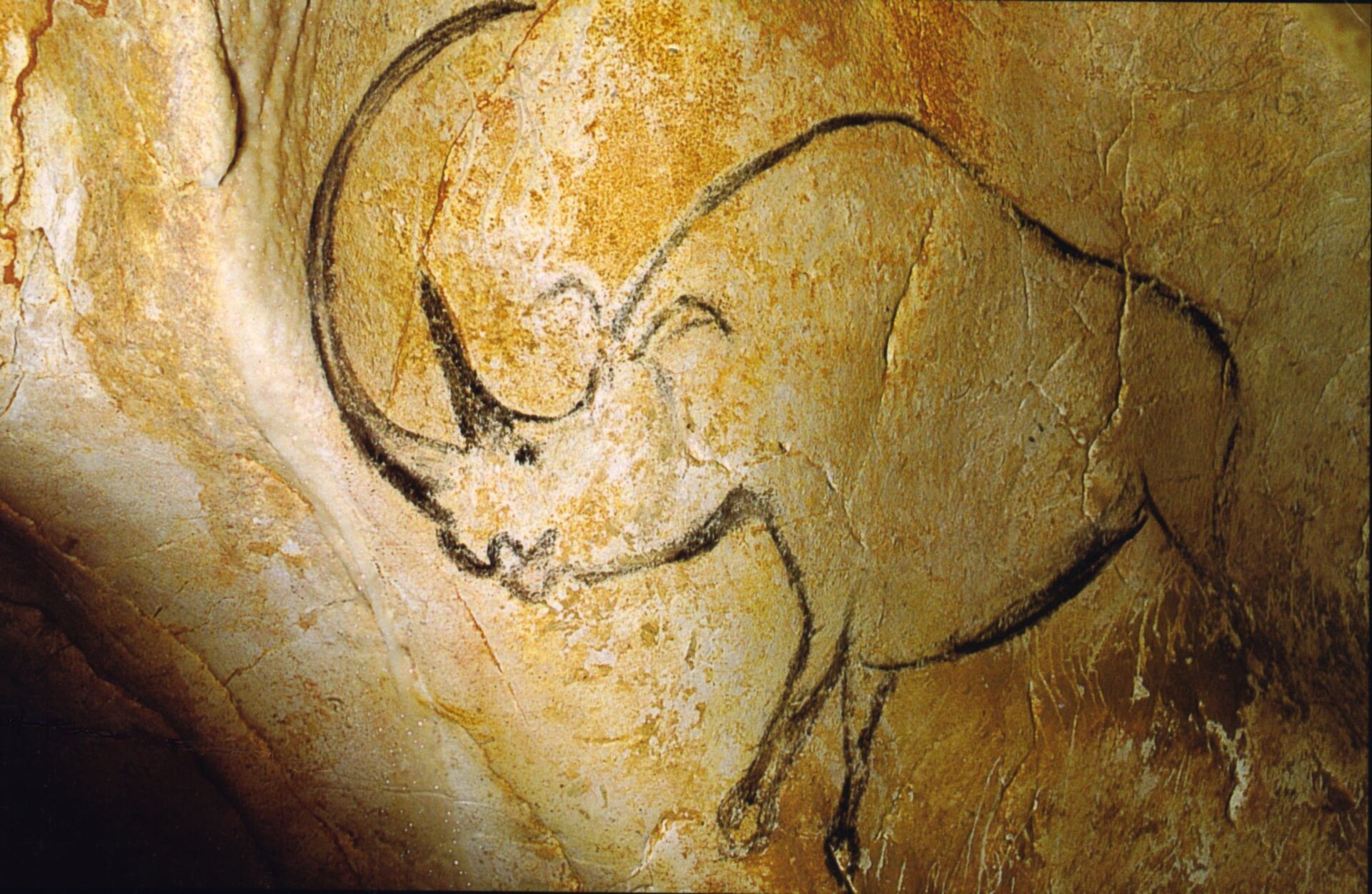
Is Grotte de Louoï the same cave as the Chauvet Cave? No. Grotte de Louoï is a separate karst cavity, distinct from the world-famous Chauvet Cave with its Palaeolithic paintings, even though both lie within the same commune.
How long is the cave? The main passage extends for about 320 metres, sloping gently but continuously downward.
What prehistoric evidence has been found inside? Archaeologists uncovered teeth from at least six adults and nineteen children, Final Neolithic pottery fragments, and a flint tool with Palaeolithic features.
Do you need caving equipment to enter? No technical equipment is required to get in, but exploring the cave still involves the usual risks of karst terrain, so caution and, ideally, an experienced guide are recommended.
Where is the cave in relation to Vallon-Pont-d'Arc? It lies within the commune's territory, on the limestone plateau shaped by the Ardèche river, in the Gorges de l'Ardèche area.
Nearby places

Earn badges for the places you visit
Download NextOnTrip, discover new places and check off your trails.