About this place
Grotte de Cayre Creyt is a small karst cave in the commune of Vallon-Pont-d'Arc, tucked into the cliffs above the entrance road to the Gorges de l'Ardèche. Locals also know it as Grotte de l'Ours, the Bear Cave, after claw marks scratched into its walls. It's a low-key spot compared to its famous neighbors, but that obscurity and difficult access are exactly what make it interesting for anyone looking beyond the standard sightseeing route.
Where exactly is it?
The entrance sits above a road tunnel at the start of the Gorges de l'Ardèche, right next to two other well-known caves along the same stretch of cliff. Grotte Chauvet opens roughly 250 meters to the east, and Grotte des Huguenots about 160 meters to the north. All three sit within the same limestone band, which gives a sense of just how densely this karst landscape is riddled with caves. The site is marked on IGN topographic map Top25 sheet 2939 west (Gorges de l'Ardèche).
How do you actually get inside?
This isn't a cave for casual walkers. The opening sits high on the rock face, so reaching it takes a rope or a ladder — without climbing gear, getting in simply isn't an option. Because the ground is fragile and the site sits close to the protected zone around Grotte Chauvet, visits are only possible with authorization from the relevant heritage authorities, usually alongside caving groups or organized speleological expeditions. Anyone without caving experience should treat this as a point of geographic interest rather than a destination for a solo hike.
What's inside worth knowing about?
Two things stand out. First, a natural rock arch in the ceiling of one of the chambers — an unusual karst formation that gives the cave its distinctive profile and is often cited by cavers describing the site. Second, the claw marks left by cave bears, scratched into the rock and the source of the cave's popular nickname. Layered on top of that are human markings left across the centuries: the oldest, drawn in red ochre (sanguine), date back to the 16th and 17th centuries, with further layers of graffiti added during the 19th and 20th centuries. Unlike its neighbor Chauvet, Cayre Creyt holds no Palaeolithic paintings — its interest lies in its geology and its later human history rather than prehistoric art.
When is the best time to visit?
Since access is restricted and requires both permission and equipment, the calendar matters less for getting inside than it does for planning an organized outing with a local caving association. For travelers exploring the area without plans to enter the cave itself, spring and early autumn are the best windows for walking the wider stretch of caves in the Gorges de l'Ardèche — mild temperatures and noticeably fewer visitors than at the height of summer.
Frequently asked questions
Can I visit Grotte de Cayre Creyt on my own? It isn't recommended. The entrance is set high on the cliff and requires a rope or ladder, and the surrounding area near Grotte Chauvet is a protected zone, so any visit needs authorization from the relevant authorities.
Where does the name Grotte de l'Ours come from? From the claw marks left by cave bears on the cave walls — they gave rise to the popular name used alongside the official "Cayre Creyt."
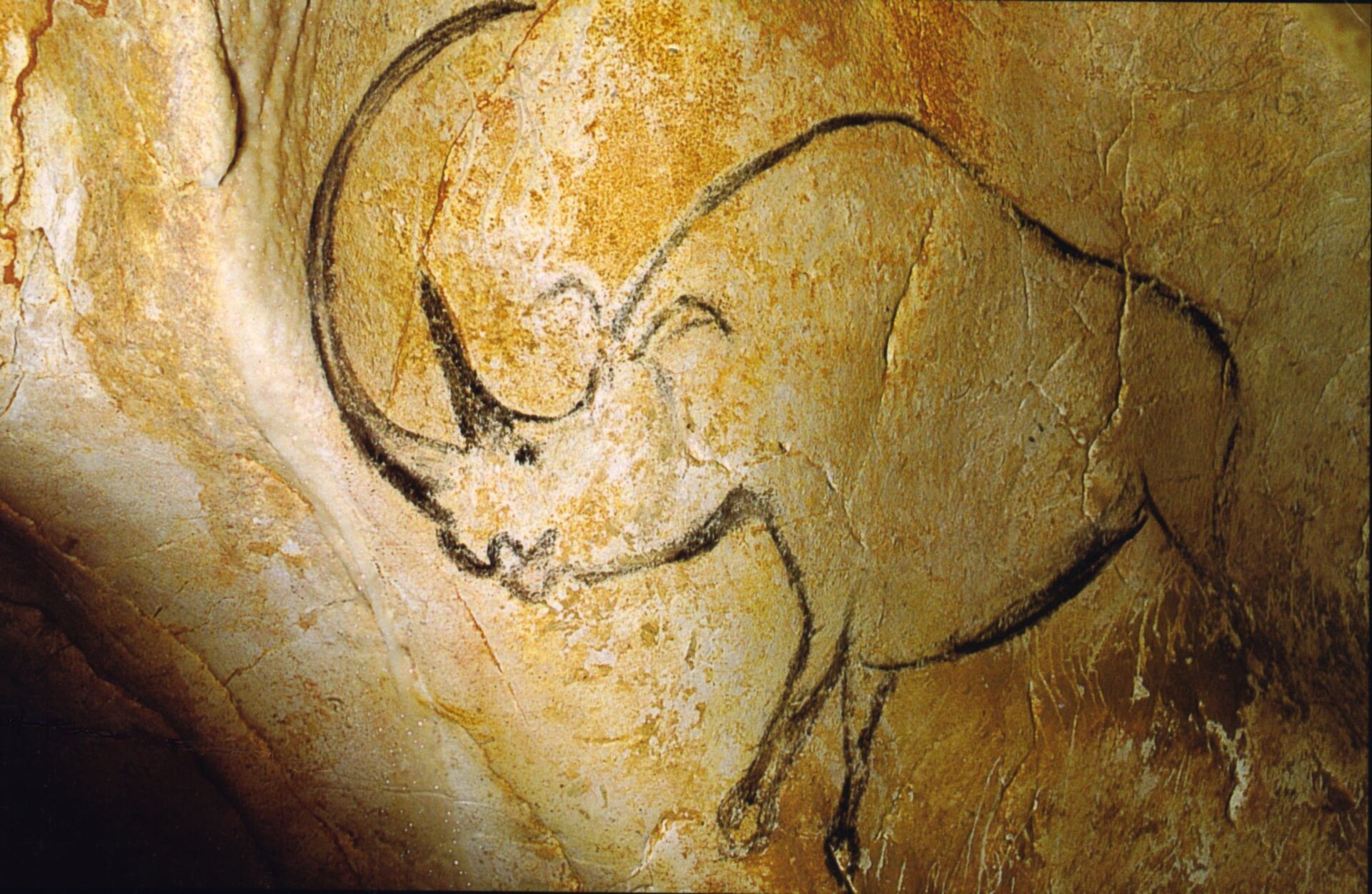
Does the cave have prehistoric paintings like Grotte Chauvet? No, Cayre Creyt has no Palaeolithic artwork. Instead it holds historical inscriptions and signatures dating from the 16th to the 20th century, plus a natural rock arch in its ceiling.
How close is it to Grotte Chauvet? Very close — about 250 meters away in a straight line to the east, which shows how this whole section of the Gorges de l'Ardèche hides a network of interconnected karst caves.
Nearby places

Earn badges for the places you visit
Download NextOnTrip, discover new places and check off your trails.