About this place
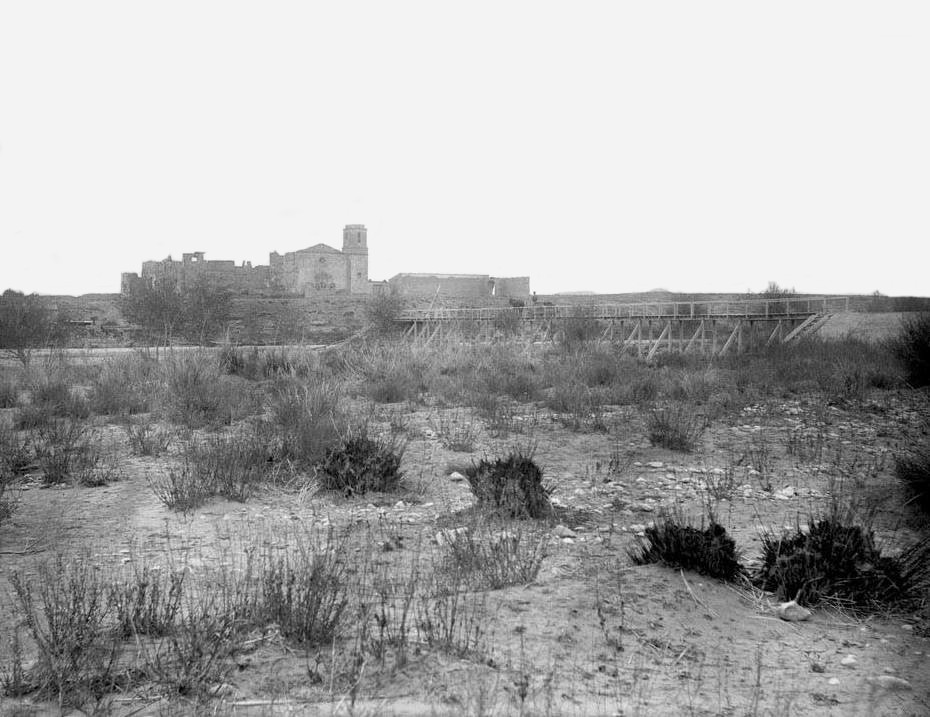
Ermita de Santa María de Horta is a small Romanesque-Gothic chapel standing on the Cabezo de Monteagudo hill, a short distance from the town of Caspe in Aragón, Spain. It's the only surviving example of Romanesque architecture within the municipality of Caspe, and its story is almost as interesting as the stonework itself — the building doesn't stand where it was originally built.
Why is this chapel in a different spot than where it was raised?
The hermitage originally stood about 3 km from Caspe, near what is now the Mequinenza reservoir, on land that belonged to the former settlement of Miralpeix. The name "de Horta" — the chapel is also known as Santa María del Fondón — refers to that original setting: a small vegetable-garden plot (huerta/horta) worked by the people of Miralpeix.
In the autumn of 1973, rising water levels in the Mequinenza reservoir began flooding the surrounding land. To save the building from destruction, it was carefully dismantled stone by stone and rebuilt on the Cabezo de Monteagudo hill, where it stands today. Cases like this are unusual in Aragón — a heritage building that physically survived relocation because of a hydraulic engineering project.
What will you see there?
The chapel was built in the late 12th or early 13th century by the inhabitants of Miralpeix, in the plain, popular Romanesque style typical of small rural churches in the region. Its most distinctive feature is a semicircular apse decorated with corbels shaped like the bow of a boat — a detail that immediately stands out to anyone with an interest in Romanesque architecture.
The building isn't stylistically uniform. A close look at the walls reveals two separate construction phases: an older Romanesque apse and a later Gothic nave added when the church was expanded. This combination of two architectural periods within one small religious building is unusual and makes the Ermita de Santa María de Horta a notable example of how rural architecture in Aragón evolved over time.
How do you get there?
The chapel sits on the Cabezo de Monteagudo hill, close to Caspe — a town in the province of Zaragoza, in the Aragón region, on the shore of the Mequinenza reservoir, locally known as the "Mar de Aragón." The drive from central Caspe usually takes only a few minutes, and the hill is also reachable on foot or by bike. The area is easy to access and popular with locals looking for viewpoints over the surrounding countryside and the reservoir.
When should you visit?
Given the chapel's small size and the lack of shaded infrastructure around it, spring and autumn are the best times to visit, when temperatures in Aragón are mild and the light brings out the architectural details of the apse particularly well. Summers in Caspe can get very hot, which can make longer visits on the open hillside uncomfortable.
Frequently asked questions
Is the Ermita de Santa María de Horta the original building, or a reconstruction? It's the original Romanesque-Gothic structure, physically moved stone by stone from its original site in 1973 — not a modern reconstruction or replica.
Why was the chapel relocated? Because rising water levels in the Mequinenza reservoir in the autumn of 1973 threatened to flood its original site near the former settlement of Miralpeix.
Where does the name "de Horta" come from? It refers to the chapel's original location on a vegetable-garden plot (horta/huerta) worked by the people of Miralpeix, which is also why the chapel is sometimes called Santa María del Fondón.
What's the main thing to look for in the building? The semicircular apse with its distinctive boat-bow-shaped corbels, and the visible two-phase construction — an older Romanesque section and a later Gothic addition.
Nearby places

Earn badges for the places you visit
Download NextOnTrip, discover new places and check off your trails.