About this place
El Mirón Cave is an archaeological site in Ramales de la Victoria, located in the upper Asón River valley at the eastern edge of Cantabria in northern Spain, close to the border with the Basque Country. It stands among the most significant Paleolithic sites in northern Spain, famous above all for the discovery of a skeleton known as the "Red Lady of El Mirón."
What will you see at the cave?
The centerpiece of the site is the burial of a woman who died roughly 18,700 years ago, during the Upper Paleolithic (Magdalenian period). Skeletal analysis places her age at death between 35 and 40 years. Her bones were coated with ochre, a red iron-based pigment, which is how she earned the name "Red Lady" after her discovery. This ritual burial practice, carried out almost 19,000 years ago, makes El Mirón one of the key sites for understanding funerary customs among Paleolithic hunter-gatherer communities in Europe.
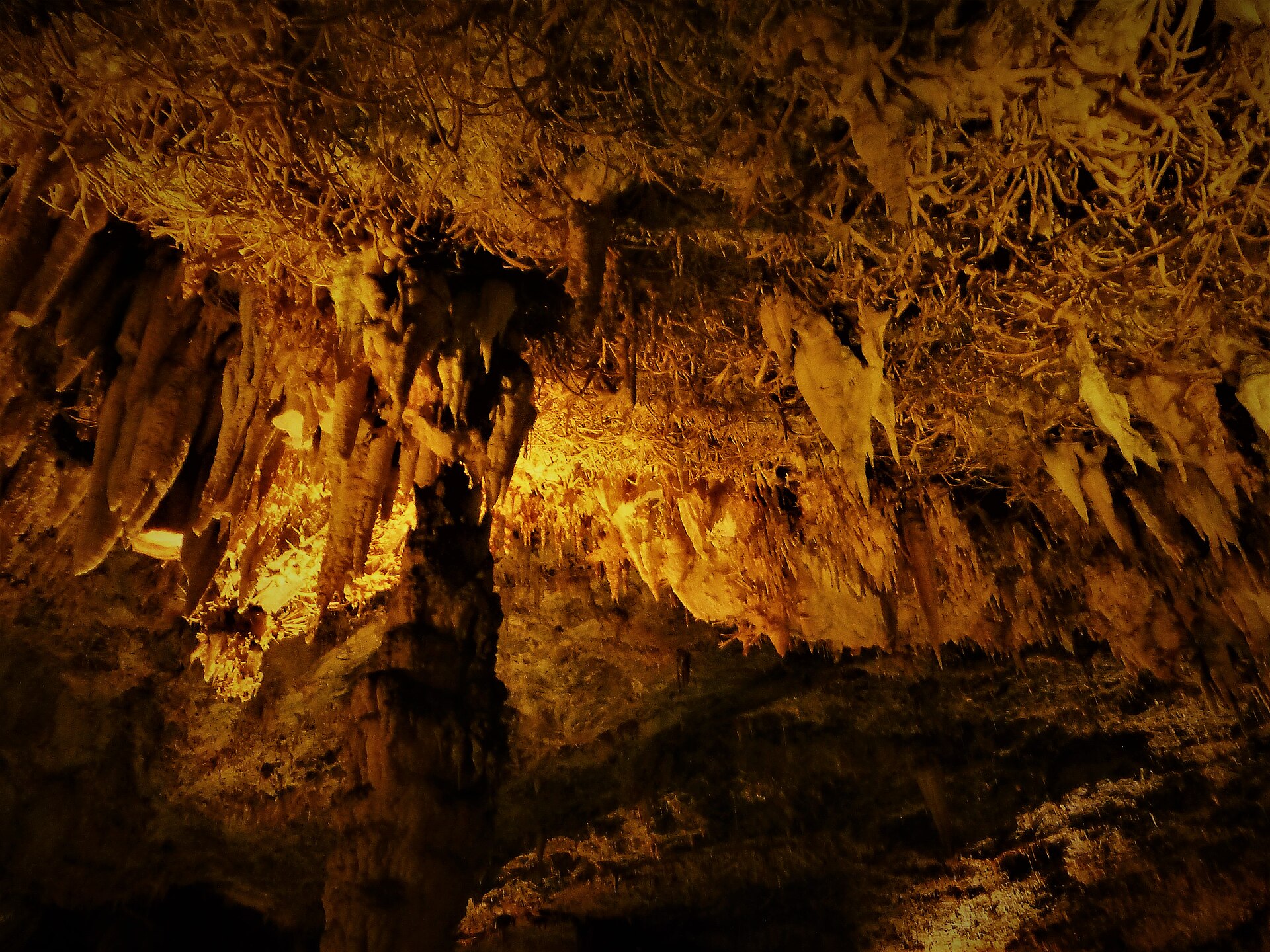
The cave itself sits within a landscape typical of Cantabria: limestone hills covered in forest, cut through by river valleys. The area around Ramales de la Victoria is known for several similar cave sites, making this region one of the most archaeologically rich corners of Spain.
How to get to El Mirón Cave?
Ramales de la Victoria lies in eastern Cantabria, near the border with the Basque Country, which makes it accessible from both Santander and Bilbao. Driving from Santander typically takes around an hour, and the drive from Bilbao takes a similar amount of time. The town is well connected by regional roads running through the Asón River valley, one of the most scenic stretches of eastern Cantabria. Travelers without a car can reach Ramales de la Victoria by bus, followed by a short final stretch to the cave itself.
When to visit?
Cantabria's mild Atlantic climate means the cave can be visited year-round. The most comfortable conditions fall in spring and early autumn, when temperatures are moderate and the surrounding trails through the Asón valley are at their most scenic. Summer brings more visitors to the region, many of whom are also heading for Cantabria's coast, so it is worth checking visit availability in advance during that period.
Why is this site worth a visit?
El Mirón Cave is more than a scientific site — it is evidence of how the ancient inhabitants of this region treated death and remembrance. The ritual use of ochre in a burial dating back almost 19,000 years reveals the complexity of symbolic thought among Paleolithic communities long before the rise of agriculture or the first cities. For anyone interested in archaeology, human prehistory, or the cultural landscape of Cantabria, this is a site of exceptional significance, combining scientific discovery with direct contact with an authentic Paleolithic site.
Visitors also appreciate the setting itself: the Asón valley, framed by limestone ridges, rounds out the visit, allowing the archaeological site to be paired with a walk through the surrounding countryside.
Frequently Asked Questions
What is El Mirón Cave known for? The cave is best known for the discovery of the skeleton of a woman named the "Red Lady of El Mirón," dating back roughly 18,700 years to the Upper Paleolithic (Magdalenian period).
Why is she called the "Red Lady"? The name comes from the ochre — a red iron-based pigment — that coated the bones of the skeleton found in the cave.
Where exactly is the cave located? El Mirón Cave lies in the upper Asón River valley in eastern Cantabria, within the municipality of Ramales de la Victoria, near the border with the Basque Country.
How old was the woman found in the cave when she died? Skeletal analysis indicates she died between the ages of 35 and 40.
Nearby places

Earn badges for the places you visit
Download NextOnTrip, discover new places and check off your trails.