About this place
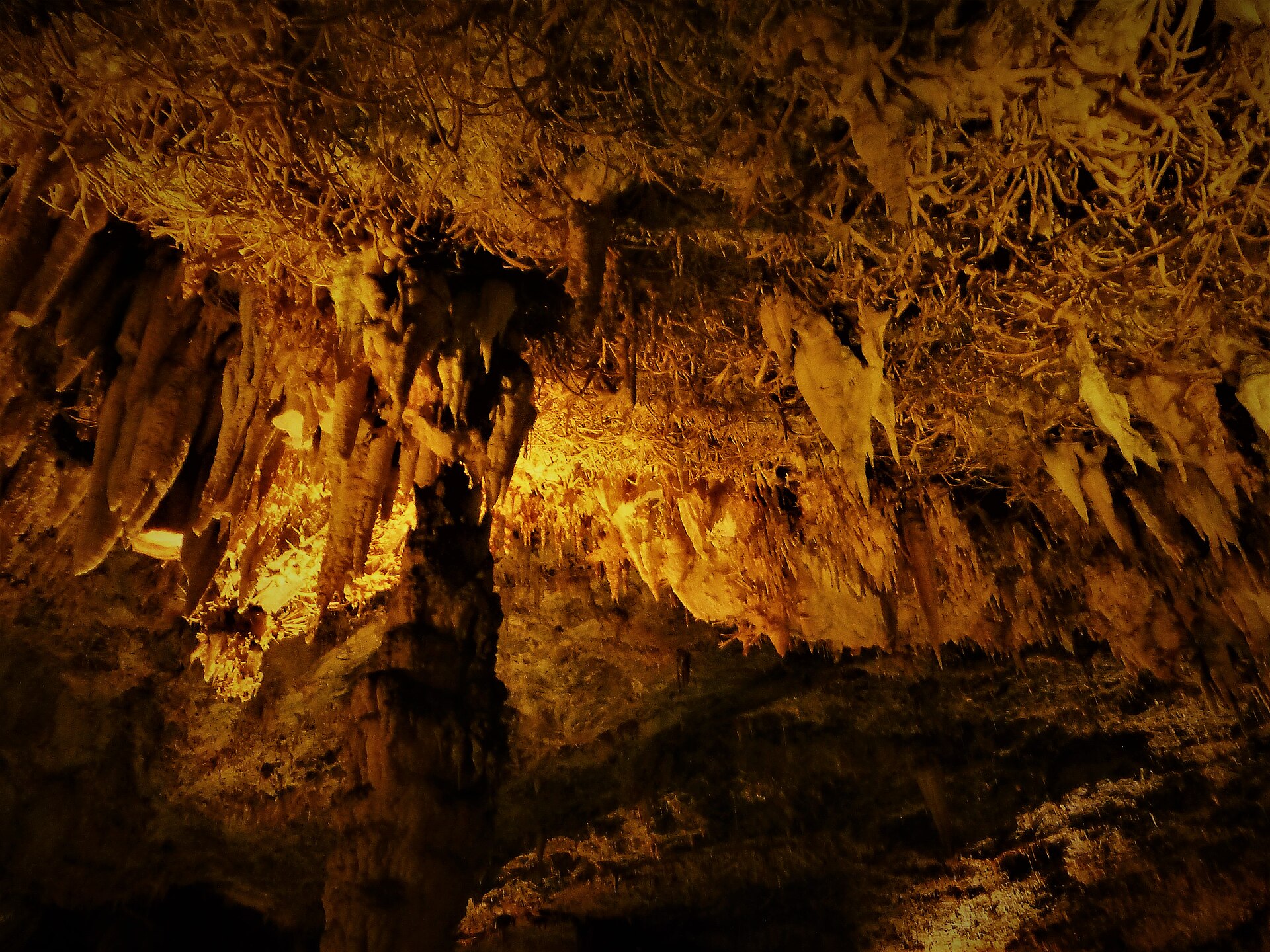
Cueva de Cobrantes is a small cave near San Miguel de las Aras, in the municipality of Voto, Cantabria, known for prehistoric rock engravings more than 12,000 years old.
What's inside the cave?
The cave holds engraved images from the late Upper Paleolithic, attributed to the Magdalenian culture. These carvings are what give the site its archaeological weight — they document a human presence in this corner of eastern Cantabria long before the surrounding villages ever existed. Excavations around Voto have confirmed that the earliest settlement in this part of the region dates back to the Quaternary period, and Cueva de Cobrantes stands as one of the key pieces of evidence for that.
The cave was formally discovered in 1967 by Spanish archaeologist Miguel Ángel García Guinea, one of the leading researchers of Cantabrian cave art. Less than two decades later, in 1985, it was granted the status of Bien de Interés Cultural — Spain's highest level of heritage protection.
Can you go inside?
Not right now. Because the engravings are fragile and sensitive to shifts in humidity and temperature, Cueva de Cobrantes is closed to visitors — a precaution shared by many Paleolithic art caves across northern Spain, where even minor climate changes can permanently damage drawings that have survived for thousands of years. Visitors can still approach the surrounding landscape and learn about the site's historical significance from outside.
How do you get there?
The cave sits near San Miguel de las Aras, within the municipality of Voto, in the Trasmiera region of eastern Cantabria — an area of limestone hills and valleys, the kind of terrain that has sheltered caves like this for millennia. Nearby is another cave, La Covarona, often mentioned alongside Cueva de Cobrantes as part of the same rocky formation. Voto is within easy day-trip range of Santander or Laredo, and the surrounding countryside is well suited to walking and exploring quieter corners of Cantabria.
What else is worth seeing nearby?
Voto is a municipality with a rich but little-known history, stretching from coastal stretches to a mountainous hinterland, which means real landscape variety within a short distance of the cave. For anyone interested in archaeology or regional history, it's a natural base for tracing the earliest signs of settlement in this part of Cantabria, alongside village churches, stone architecture, and valley views.
Frequently asked questions
Is Cueva de Cobrantes open to the public? No, the interior is closed to visitors to protect the rock engravings from conservation risks.
What do the engravings depict? They are Magdalenian-period carvings from the late Paleolithic, more than 12,000 years old.
Who discovered the cave? Cueva de Cobrantes was discovered in 1967 by archaeologist Miguel Ángel García Guinea.
Are there other caves nearby? Yes, La Covarona is located close by and is often mentioned together with Cueva de Cobrantes.
Nearby places

Earn badges for the places you visit
Download NextOnTrip, discover new places and check off your trails.