About this place
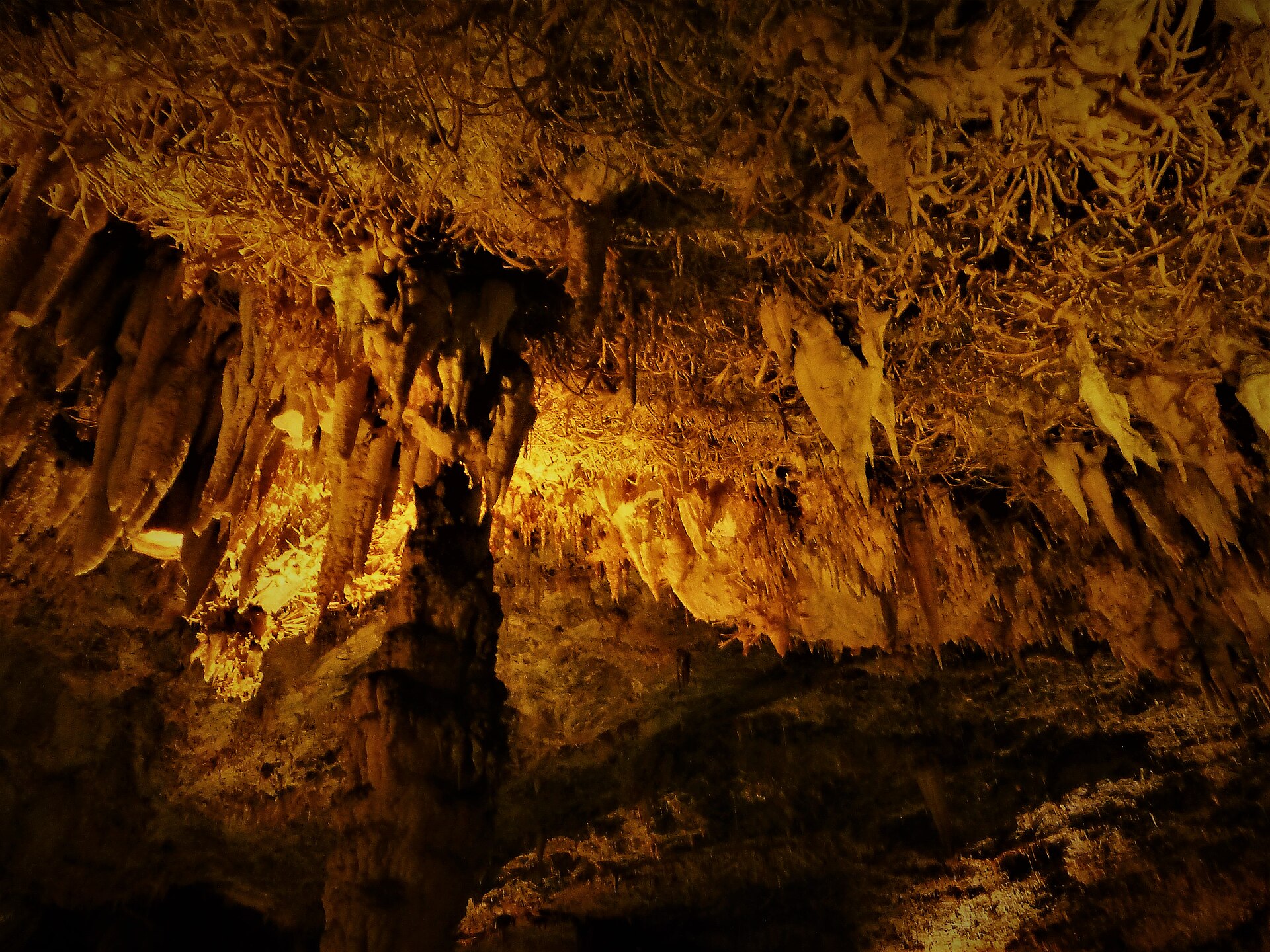
Cave del Valle is one of Cantabria's most remarkable underground systems, found in the municipality of Rasines near the small village of El Cerro. Also known locally as La Viejarrona, it owes its reputation mainly to its sheer scale: with more than 60 kilometres of surveyed passages, it ranks among the longest cave systems ever mapped anywhere in the world. That scale, paired with a long history of exploration, is what keeps drawing caving enthusiasts from across Europe to this quiet corner of northern Spain.
Where exactly is the cave located?
Cave del Valle sits in the interior of Cantabria, in the municipality of Rasines, with its entrance near the village of El Cerro. The surrounding terrain is limestone-heavy and mountainous, a geology that over millennia has allowed water to carve out one of the region's largest known networks of underground passages.
What role does the cave play in the local river system?
The cave isn't just a maze of tunnels — it's also the source of the Silencio River. The Silencio feeds into the Ruahermosa River, which in turn flows into the Asón, one of Cantabria's principal rivers. In practical terms, this makes Cave del Valle a genuine hydrological hub for the region, feeding a chain of watercourses that eventually reach the Bay of Biscay coastline.
What makes this cave stand out?
Its defining feature is scale. Cavers have documented over 60 kilometres of passages so far, placing it among the longest cave systems on the planet. The site also carries prehistoric significance, but it's the speleological dimension — the sheer size, complexity, and ongoing exploration — that draws the most attention from researchers and cavers alike.
Who is this destination for?
Given its scale and technical demands, Cave del Valle is primarily a destination for experienced cavers and organized exploration groups rather than a casual sightseeing stop. Navigating passages of this length and complexity requires proper equipment, preparation, and ideally local expertise. Travelers without caving experience can still appreciate the area around El Cerro and Rasines as a scenic introduction to Cantabria's karst landscape, even without entering the cave system itself.
How do you get to Rasines?
Rasines lies inland in Cantabria, a reasonable drive from the region's main routes. Arriving by car is the most practical option, with local roads winding through the mountainous terrain typical of Cantabria's interior. The area makes a solid base for anyone exploring the region's broader network of karst landscapes and caves.
When is the best time to visit?
As with most natural sites in Cantabria, spring and early autumn tend to offer the most stable conditions for exploring the surrounding countryside, compared with the wetter winter months. Keep in mind that actual cave exploration is a separate, logistically demanding activity that doesn't follow typical sightseeing seasons.
Frequently asked questions
Can you enter Cave del Valle without caving experience? It isn't recommended. The system spans over 60 km of passages and requires proper technical equipment and preparation, which is why exploration remains the domain of experienced cavers.
Where does the local name La Viejarrona come from? It's a traditional name used by residents of the El Cerro and Rasines area, used alongside the official name Cave del Valle.
What role does the cave play in the regional landscape? It is the source of the Silencio River, which feeds the Ruahermosa, a tributary of the Asón — one of Cantabria's main rivers — making the cave a meaningful part of the local water system.
Is Rasines a good base for exploring Cantabria's karst region? Yes, the municipality's limestone landscape is representative of the wider region and makes a convenient starting point for anyone interested in the geology and caves of this part of Spain.
Nearby places

Earn badges for the places you visit
Download NextOnTrip, discover new places and check off your trails.