About this place
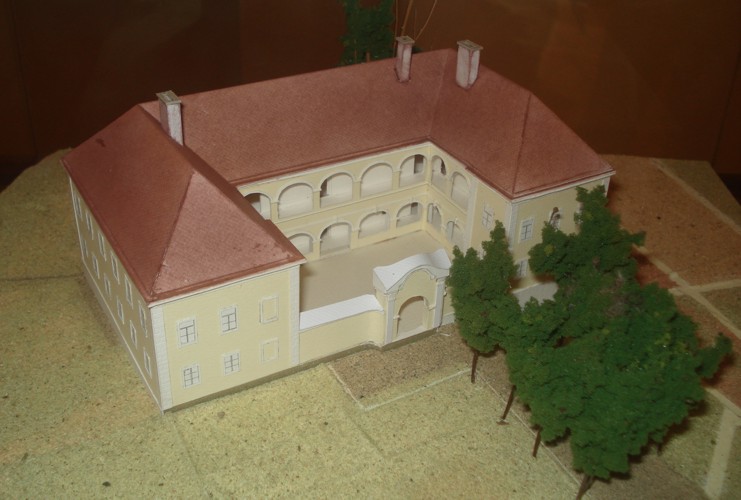
Erdödy-Rubido Manor stands in Gornja Rijeka, a small village and municipality of the same name in Koprivnica-Križevci County in northern Croatia. The building sits on the edge of the village surrounded by a park, and ranks among the oldest manor houses in the Prigorje region.
Where does the manor come from?
The manor was built in the second half of the 17th century by the Orehovečki family, on the site of an earlier, older residence. Its late Renaissance form follows a distinctive U-shape, with two cylindrical towers flanking the façade — a layout typical of noble residences from that period in Central Croatia. Over the following centuries the estate changed hands several times: owners included members of the Chamaré family, and later the Rubido-Erdödy family.
Who was Sidonija Rubido-Erdödy?
The manor's most famous resident was Sidonija Rubido-Erdödy, regarded as Croatia's first opera singer. According to local tradition, it was in the manor's left tower that she first sang "Lijepa naša," the song that would later become Croatia's national anthem. That story gives the building a significance that goes beyond architecture alone — it is woven into Croatian national symbolism.
What can you see on site?
In front of the façade stretches a park with a tree-lined avenue and a varied collection of trees. The greenery was restored in 1956 by gardener Sibera from Varaždin, so the park layout still carries much of its historical character despite the decades since. The building itself, with its two distinctive corner towers, remains the main focal point — it's worth walking around it to take in both the main façade and the wings that form the U-shape.
A difficult wartime chapter
The manor also carries a dark chapter in its history. During World War II the building served as a camp for Jews, where people died of typhus. In mid-1942, around 400 boys were transferred here from the Stara Gradiška and Uštica camps near Jasenovac. About 200 of them were buried around the manor, while the rest were moved to an infectious disease hospital in Zagreb. A monument standing in the park today commemorates the victims of those events.
What happened to the manor after the war?
After the war the building was converted into an elementary school, which operated until 1984. Since then it has been left without a permanent function and has been gradually deteriorating, despite its historical and architectural value. Today the manor draws mainly visitors interested in history and the residential architecture of Prigorje rather than tourists looking for a fully equipped attraction.
How to get there?
Gornja Rijeka lies close to Križevci, easily reachable from Zagreb and other towns in Koprivnica-Križevci County. The most convenient way to get there is by car — the manor sits along the main road running through the village, and the park surrounding the building is freely accessible from the outside.
Frequently asked questions
Is Erdödy-Rubido Manor open to visitors? The building has been without a permanent function for years and its interior is not regularly open to the public — you can, however, view it from outside and walk through the surrounding park.
Why does the manor matter to Croatian culture? Tradition holds that this is where Sidonija Rubido-Erdödy first sang the song that later became Croatia's national anthem, "Lijepa naša."
What does the monument in the park commemorate? The monument honors the victims of the camp that operated at the manor during World War II, including the boys transferred here from the Stara Gradiška and Uštica camps.
How old is the manor? The building dates back to the second half of the 17th century, making it one of the older manor houses in the Prigorje region.
Nearby places

Earn badges for the places you visit
Download NextOnTrip, discover new places and check off your trails.