About this place
Couvent des Dames de Saint-Sauveur is a former convent of canonesses in the historic centre of Perpignan, in the Pyrénées-Orientales department of southern France. Only a single element of the original complex survives today, yet the site's history stretches back to the city's medieval golden age.
When was the convent founded?
A community of canonesses regular dedicated to the Holy Saviour settled in Perpignan in the first half of the 13th century, roughly between 1230 and 1240. From the outset the house had a distinct social profile: it took in daughters of the local nobility, referred to in period records as "monges riques", or wealthy nuns. This selective recruitment gave the community substantial financial resources and real influence within the city.
What role did the convent play in Perpignan?
That wealth translated into direct involvement in the city's development. The canonesses helped finance municipal projects, including the Corbère canal that supplied Perpignan with water, and the founding of the city's university. Saint-Sauveur was therefore not only a place of prayer but also an institution that helped shape the town's infrastructure and intellectual life over several centuries.
What happened to the convent during the Revolution?
The community survived until the French Revolution. A decree issued in August 1792 dissolved the institution and its property was nationalised. The buildings and land were put up for sale as early as 1793, and the complex was gradually broken up among different owners. Some of the liturgical furnishings were dispersed to other churches: the parish church of Vinça received three altarpieces that had belonged to Saint-Sauveur, including a Transfiguration retable produced in the workshop of Jean-Jacques Mélair in 1697.
What remains of the convent today?
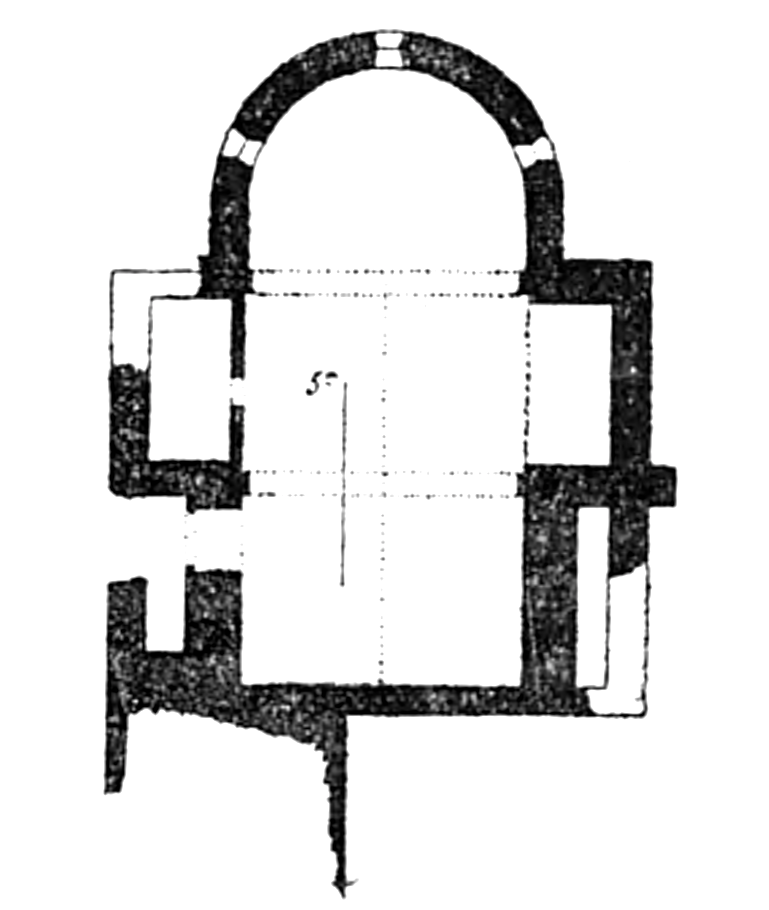
The convent's Gothic cloister, once one of the finest parts of the complex, disappeared in the 19th century, when the site was redeveloped to create the impasse Émile Zola and to build the former École Normale building. Of the whole medieval complex, only the chapter room, dated to 1271, still stands in recognisable form. Because of its historical value, this surviving room was partially listed as a monument historique in 1997.
How can visitors find the site?
The remains of the convent lie in the heart of Perpignan's old town, within easy reach of the city's other historic monuments. The site's approximate coordinates are 42.6974 N, 2.8989 E.
Frequently asked questions
What was the Couvent des Dames de Saint-Sauveur? A convent of canonesses regular founded in Perpignan in the 13th century, reserved for daughters of noble families.
Can the building be visited today? Only the chapter room from 1271 survives from the original complex; the rest was demolished or rebuilt in the 19th century.
Why was the convent significant for Perpignan? The wealthy community financially backed municipal projects such as the Corbère canal and the city's university, giving it real influence over the town's development.
What happened to the convent's furnishings after the Revolution? The property was sold following the 1792 decree, and some liturgical items, such as altarpieces, were transferred to other churches, including one in Vinça.
Nearby places

Earn badges for the places you visit
Download NextOnTrip, discover new places and check off your trails.