About this place
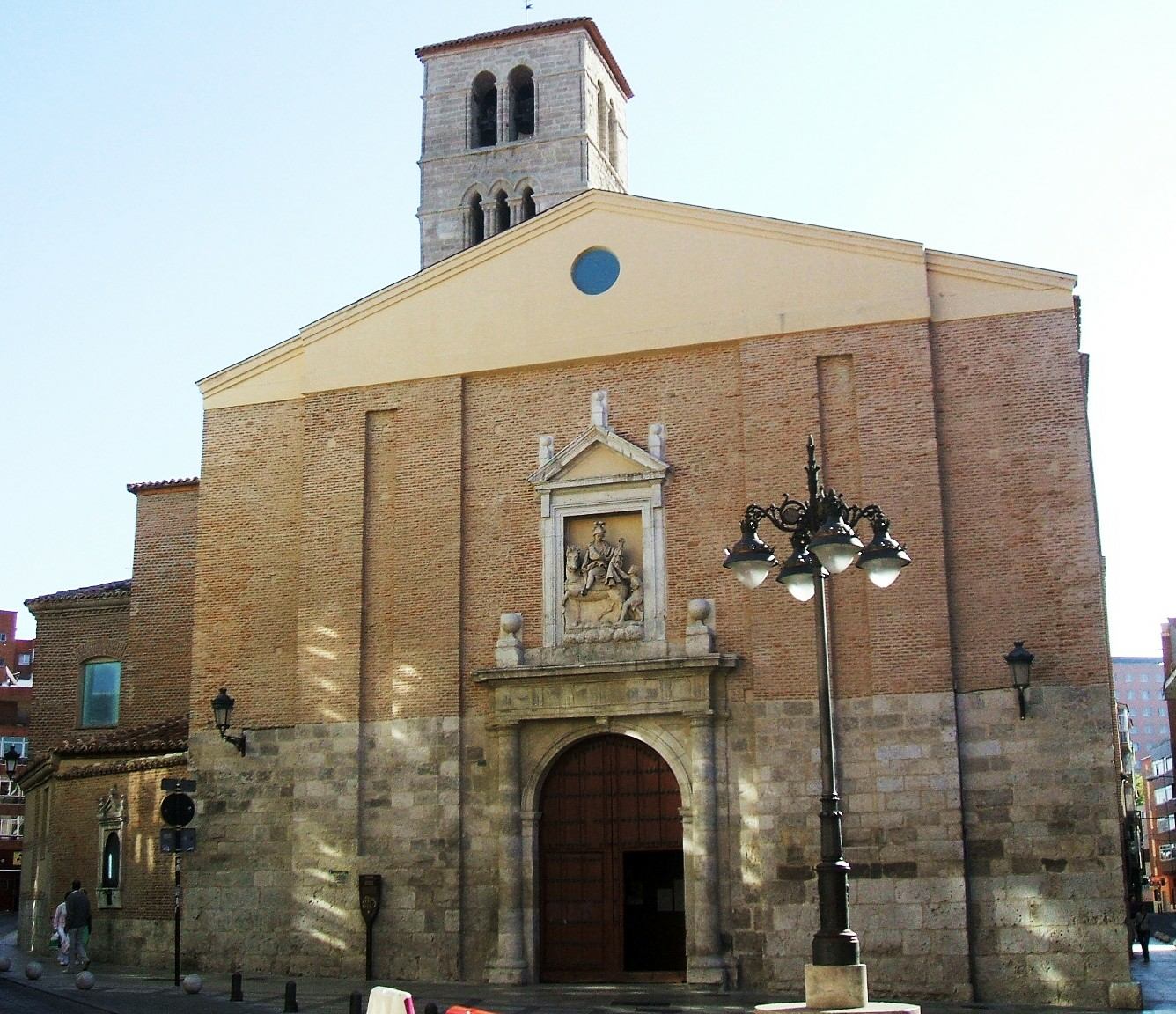
The Convent of Las Descalzas Reales is a convent of Poor Clare nuns in Valladolid, one of the city's most significant religious landmarks and still an active monastic community today.
What is the history behind this convent?
The community was founded in 1550 in Villalcázar de Sirga, where the nuns honored Our Lady of Pity. Just two years later, in 1552, the sisters relocated to Valladolid, where the convent has remained ever since. The move also brought a change of dedication, to Our Lady of the Assumption. The word "descalzas" (barefoot) refers to the practice of the Colettine reform within the Order of St. Clare, whose sisters traditionally went without footwear inside the cloister as a sign of penance and simplicity.
In the early 17th century, the convent underwent a major rebuilding campaign commissioned by King Philip III and his wife, Margaret of Austria-Styria. The new structure was designed by architect Francisco de Mora, a figure closely tied to the Spanish royal court. The result was a building in the classicist Baroque style, modeled on similar royal convents in Madrid such as La Encarnación. In 1974, the site was declared a national monument in recognition of its historical and artistic value.
What will you see inside?
The convent stands on today's Avenida de Ramón y Cajal, at the corner of San Martín and Prado streets, close to the Chancillería — Valladolid's former royal courthouse. The architecture itself is a good example of mature Spanish Baroque from the early 1600s: austere, classicizing facades contrast with a richer decorative program inside the convent church.
Within the complex there is a small museum housing reliquaries, dressed devotional images of saints (known locally as imágenes de vestir), and other liturgical objects used by the community for daily worship and feast days. Visiting offers a rare glimpse into a cloistered women's religious community that has operated continuously since the 16th century.
How do you get there?
The Convent of Las Descalzas Reales sits in central Valladolid, near the historic Chancillería complex, so it's an easy walk from the city center — roughly fifteen minutes from Plaza Mayor. Valladolid has a well-developed local bus network, with several lines serving the Ramón y Cajal area as an alternative to walking. Travelers arriving from other cities in Castile and León can take the train to Valladolid Campo Grande station, which is within short reach of the convent.
When is the best time to visit?
Because the convent remains home to an active cloistered community, access to the interior and museum is typically restricted to set days and hours — it's worth checking locally, for instance at Valladolid's tourist information office, before planning a visit. Spring and autumn are pleasant seasons for exploring the city on foot, avoiding the summer heat common to inland Castile. The surrounding area, including the Chancillería and the older streets nearby, fits naturally into a wider walking route through Valladolid's historic center.
Frequently asked questions
Is this the same convent as the one in Madrid? No. These are two separate, independent convents that share a similar name and the same religious order (Colettine Poor Clares) but have distinct histories and locations — they shouldn't be confused with one another.
Can visitors go inside the convent? Yes, a section of the convent housing a small liturgical museum is open to visitors, though the community itself remains cloistered, so access is limited to specific times.
What does the name "Descalzas Reales" mean? "Descalzas" (barefoot) refers to the tradition of going without footwear inside the cloister, practiced by this reformed branch of the Poor Clares, while "Reales" (royal) reflects the patronage of the Spanish royal family.
Who designed the current convent building? The early 17th-century rebuilding was designed by architect Francisco de Mora, commissioned by King Philip III and Queen Margaret of Austria-Styria.
Nearby places

Earn badges for the places you visit
Download NextOnTrip, discover new places and check off your trails.