About this place
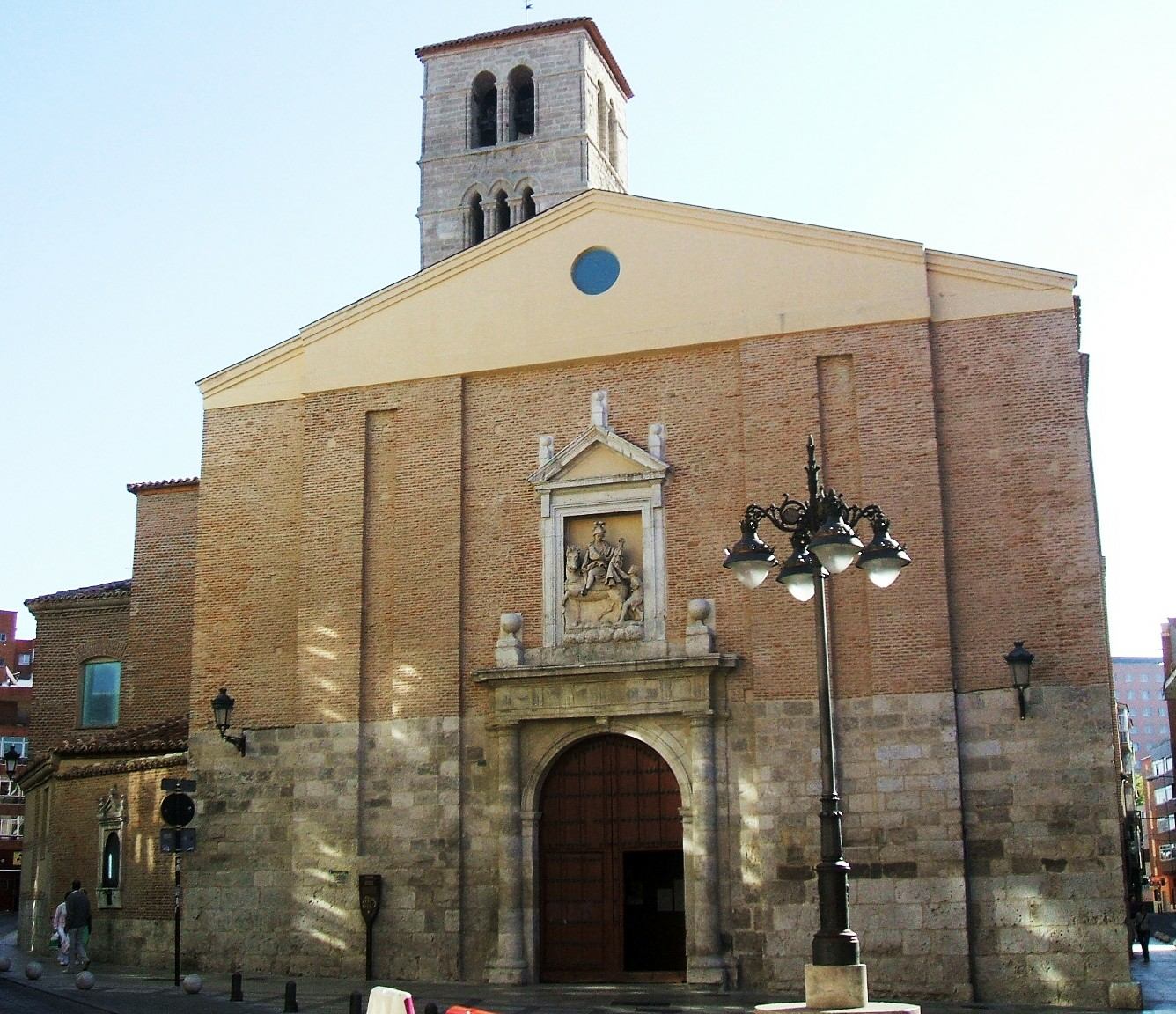
Iglesia de San Benito el Viejo is a small but historically layered church in the center of Valladolid, now part of the National Sculpture Museum complex. Modest from the outside, it holds traces of several centuries of Spanish history — from a medieval hermitage to a 20th-century convent chapel.
How to get there?
The church sits right in the historic center of Valladolid, surrounded by other buildings tied to the National Sculpture Museum, so the easiest way to reach it is on foot while exploring the old town. It pairs naturally with a visit to the neighboring Casa del Sol palace, since the two buildings have been linked for centuries.
What will you see?
The site's story begins in 1276, when a small hermitage stood here. By 1375 it had been elevated to the status of a parish church. The name "el Viejo" (the Old) is no accident — it distinguished this church from another dedicated to Saint Benedict, belonging to the nearby San Benito el Real monastery.
The building's golden age falls in the 16th and 17th centuries, when it became tied to the adjacent Casa del Sol residence through a system of patronage. As early as 1540, the palace's owners, licentiate Sancho Díaz de Leguizamón and his wife doña Mencía de Esquivel, obtained permission to rebuild the main chapel with the intention of turning it into a family burial place.
The most striking surviving trace of that era is a coat of arms on the exterior wall of the main chapel, carved around 1601 by stonemasons Juan de Celaya and Martín de Uriarte. It was commissioned by Diego Sarmiento de Acuña, Count of Gondomar — a figure well known in Spanish diplomatic history — who acquired the church's patronage rights in 1599 and ordered its reconstruction, including a crypt beneath the main chapel intended for his own burial.
In 1629, two celebrated names entered the church's history: architect Francisco de Praves and sculptor Gregorio Fernández, who drew up the plans and specifications for the church's main altarpiece. That altarpiece did not survive, however — it disappeared in the early 19th century, most likely during the Peninsular War.
The church functioned as a parish until 1812, when it was converted into a warehouse. Religious use only returned in 1921, when it became a chapel for the Oblate Sisters, who had already been using the neighboring Casa del Sol since 1912. The most recent major chapter came in 2012, when the church was restored, deconsecrated, and integrated together with the palace into the National Sculpture Museum complex.
When to visit?
Since the building now operates as part of a museum complex rather than an active parish, visits should be planned around the opening hours of the National Sculpture Museum. It works best combined with a walk through the rest of Valladolid's old town, where several buildings with similarly layered histories sit within easy reach of each other.
Frequently asked questions
Why is the church called "el Viejo" (the Old)? The name distinguished it from the church of the San Benito el Real monastery, also dedicated to Saint Benedict but younger and considerably larger.
Is it still an active church? No — since 2012 the building has been deconsecrated and now forms part of the National Sculpture Museum complex, connected to the neighboring Casa del Sol palace.
What is the oldest part of the building? The earliest documented reference dates to 1276, when a hermitage stood on the site, well before it was granted parish status in 1375.
Who ordered the church's 17th-century reconstruction? Diego Sarmiento de Acuña, Count of Gondomar, who acquired the church's patronage in 1599 and had a crypt built beneath the main chapel for his own burial.
Nearby places

Earn badges for the places you visit
Download NextOnTrip, discover new places and check off your trails.