About this place
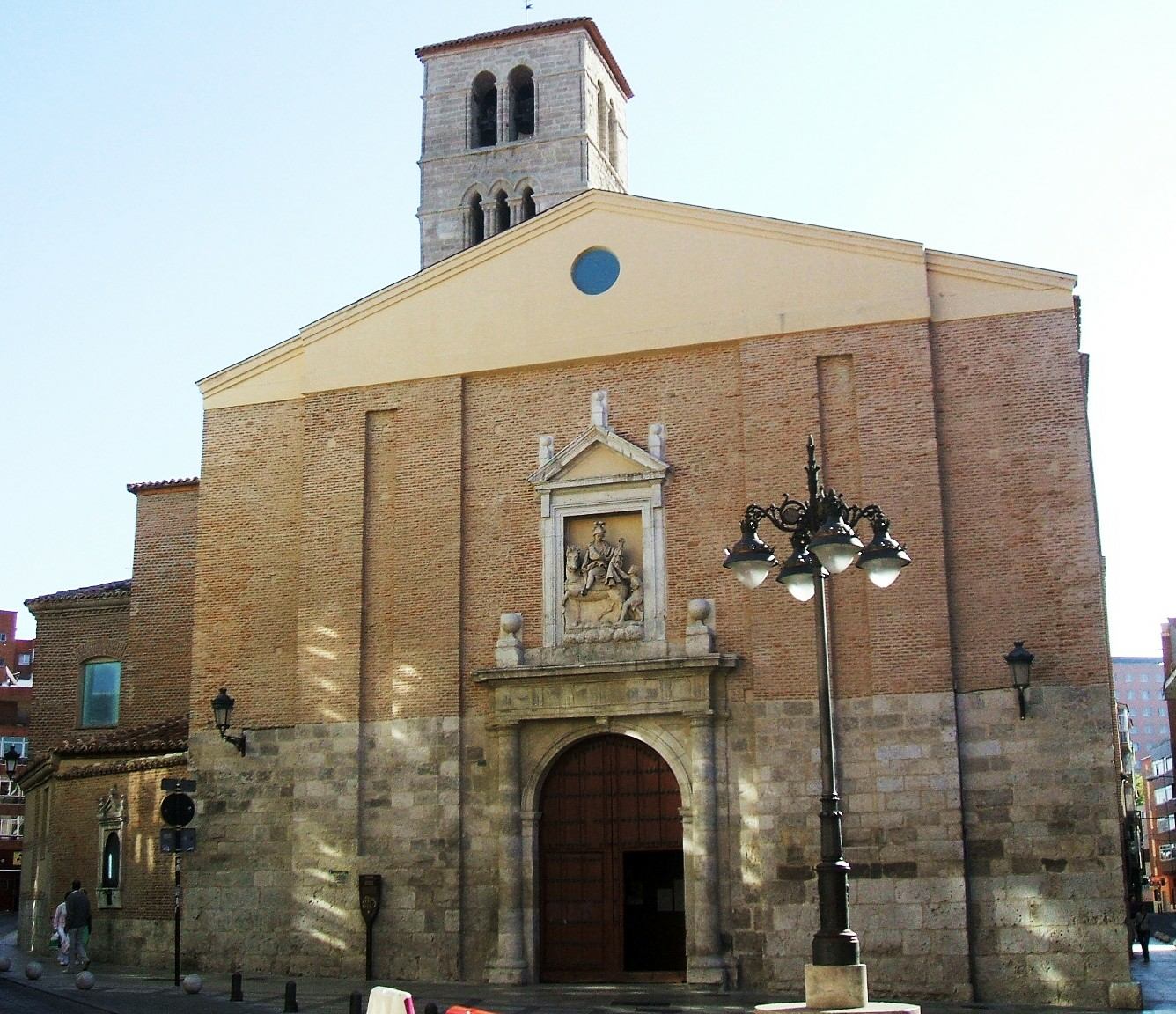
Convent of Santa Teresa is a monastery of Discalced Carmelite nuns in Valladolid, and one of the places most directly tied to the life of Saint Teresa of Ávila. It was here, in August 1568, that the mystic personally founded the fourth convent of her Carmelite reform — a fact that makes the site a distinctive stop on Spain's map of spiritual heritage.
How did the convent come to be?
The first community of nuns settled on 15 August 1568 at a site known as Río Olmos, along the road to Simancas beside the Pisuerga river. The land and buildings had been donated by Bernardino de Mendoza, son of the Count of Rivadavia. The location proved unhealthy, however, and the nuns began falling ill, so María de Mendoza gave them her own palace on Plaza de San Pablo, where the community remains to this day. The church, cloister and chapels were added during the 17th century, all built in the plain, austere style consistent with Saint Teresa's rule.
What can you see inside?
At the heart of the complex is a small church laid out in the shape of a Latin cross, with a single nave in the Doric order — architecture that is deliberately modest, without ornament, in keeping with the ideals of the Carmelite reform. Inside, works by some of the most important sculptors and painters of the Spanish Baroque have survived: Gregorio Fernández, Juan de Juni, Luis de Morales, Diego Valentín Díaz and Alejo de Vahía. It's a rare chance to see religious art of this caliber still in the setting it was made for.
A particular highlight is the cell Saint Teresa occupied during her stays at the convent. It still holds autograph letters written by her, along with a manuscript codex of "The Way of Perfection," one of the foundational texts of Carmelite spirituality. For anyone interested in the history of Christian mysticism, this is a site of real documentary value, not just architectural interest.
Is the convent still active?
Yes — the Convent of Santa Teresa remains a working cloistered community of Discalced Carmelite nuns. That means a visit here feels different from a typical monument tour: access to parts of the building can be limited, and the atmosphere stays primarily one of prayer and contemplation. Worth keeping in mind when planning a visit — this is a living religious community, not a museum.
How do you get there?
The convent sits in central Valladolid, on Plaza de San Pablo, right next to other major city landmarks such as the Church of San Pablo and the Pimentel Palace. Given its central location, the easiest way to reach it is on foot, as part of a walk through the historic old town. The surrounding area works well for a longer stroll linking several stops along the city's Teresian route.
When should you visit?
Because the community observes cloistered life, it's worth checking current visiting hours in advance, as they may be limited to specific days or times. Each year, around 15 October (Saint Teresa's feast day) and again in August around the anniversary of the convent's founding, the city organizes themed events and free guided tours tracing her footsteps — a good opportunity to pair a visit with broader historical context.
Frequently asked questions
Can you visit the inside of the convent? Yes, though access can be limited due to the cloistered nature of the community — typically part of the church and Saint Teresa's cell are open during set hours.
Why is this place significant for Saint Teresa of Ávila? Because it was her own, fourth foundation within the Carmelite reform — she established it personally in 1568 and stayed here regularly.
What artworks are inside the church? Sculptures and paintings by Gregorio Fernández, Juan de Juni, Luis de Morales, Diego Valentín Díaz and Alejo de Vahía.
Have any personal relics of the saint survived at the convent? Yes — the cell she used during her visits still holds her autograph letters and the manuscript of "The Way of Perfection."
Nearby places

Earn badges for the places you visit
Download NextOnTrip, discover new places and check off your trails.