About this place
The Church of Santo Sepulcro is a Romanesque monument in Zamora, standing on a small hill on the left bank of the Duero River, in the neighborhood that shares its name. Although it sits outside the old walled center, it counts among the more significant remnants of the city's Romanesque past and rewards a short walk from the historic quarter.
How old is the church, and who built it?
The earliest written record of the church dates back to 1167. The building was originally raised in the first half of the 12th century by monks of the Order of the Holy Sepulchre — the order that gave the church its name. Ownership later passed to the Order of Saint John of Jerusalem, the Knights Hospitaller. In the first half of the 13th century the church underwent a thorough rebuilding, and most of the structure visible today dates from that later phase rather than the original 12th-century foundation.
What does the architecture look like?
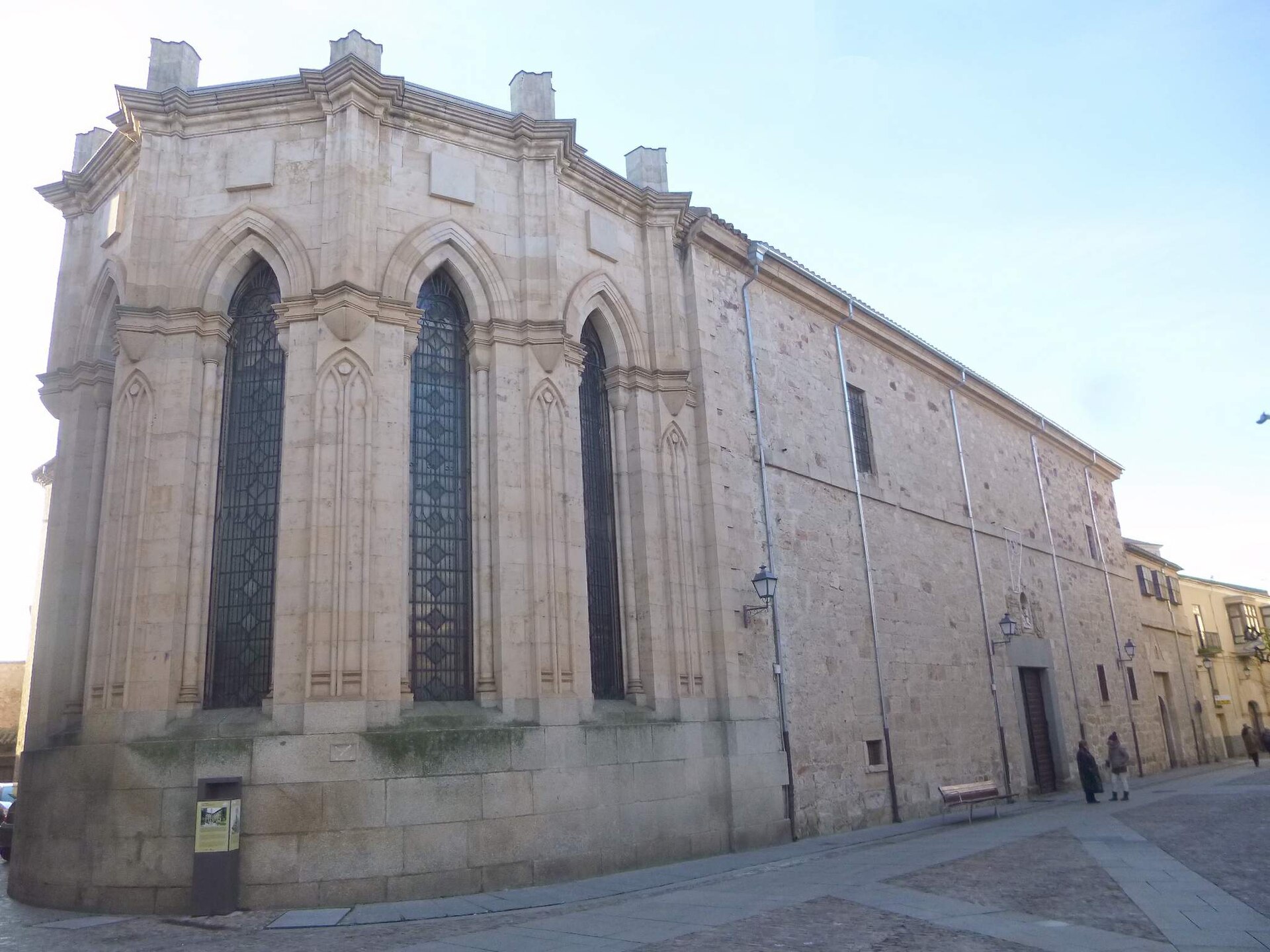
The church follows a single-nave plan divided into three bays and closed off by a rectangular apse. Above the west end rises a tower that has been truncated since ancient times, having lost its original height at some point in the past. This stunted, fortress-like tower also served as a lookout point, underlining the church's strategic position on rising ground above the river. Inside and around the building, carved ashlar tombs from the medieval period survive, evidence that the site served as a burial place for centuries.
Is the church a protected monument?
Yes. The Church of Santo Sepulcro has held protected status since June 13, 1977, when it was declared a Property of Cultural Interest at the provincial level, in the category of monument (bien de interés cultural de carácter provincial, categoría de monumento). That designation reflects its recognized historical and architectural value within the wider Castile and León region.
Why is it worth visiting?
The Church of Santo Sepulcro shows a side of Zamora's Romanesque heritage that draws fewer visitors than the cathedral or the churches inside the old walls, yet is every bit as genuine. Its hilltop position above the Duero adds a view over the river and surrounding streets, and the building itself — with its distinctive truncated tower and medieval tombs — offers a clear picture of how defensive religious architecture in this region looked during the 12th and 13th centuries.
Frequently Asked Questions
Who built the Church of Santo Sepulcro in Zamora? It was raised in the first half of the 12th century by monks of the Order of the Holy Sepulchre, which gave the church its name. The property later passed to the Order of Saint John of Jerusalem.
What period does the current building date from? Despite its 12th-century origins, most of the architecture standing today results from a thorough rebuilding carried out in the first half of the 13th century.
What are the church's main architectural features? A single-nave plan split into three bays, a rectangular apse, and a truncated, fortress-like tower that also functioned as a lookout point.
Does the church have official heritage protection? Yes, it has been protected since June 13, 1977 as a Property of Cultural Interest at the provincial level, in the category of monument.
Nearby places

Earn badges for the places you visit
Download NextOnTrip, discover new places and check off your trails.