About this place
The Cemetery of San Atilano is a historic municipal cemetery in Zamora, in northwestern Spain, established in the first third of the 19th century. Its creation was a direct response to a cholera epidemic that struck the city in 1832 and forced a change in how the dead were buried.
Why was this cemetery built?
Before San Atilano existed, residents of Zamora were buried at the Hospital of the Commendador Don Alonso Sotelo, at the Hospital of the Incarnation, and in dozens of churches scattered across the city. The cholera outbreak exposed how inadequate and unsanitary this scattered system had become, pushing the authorities toward building a single municipal cemetery outside the residential core. The first burials at San Atilano took place on August 23, 1834, when Manuela Sancho, María Conde, Damiana Rosete and Micaela Alfonso were laid to rest there.
Where do the chapel and gateway on site come from?
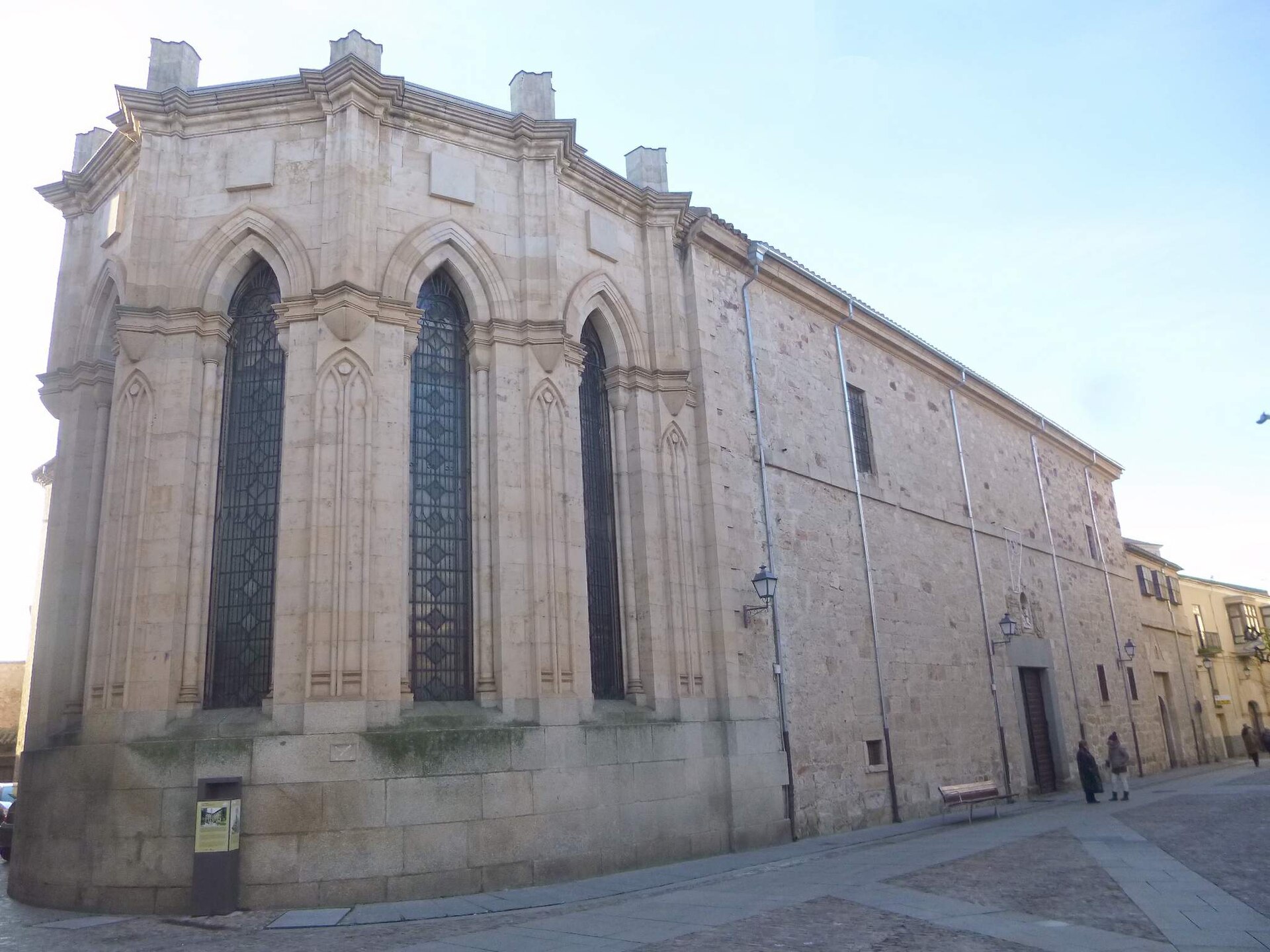
One of the site's most distinctive features is a former hermitage whose façade was later incorporated into the cemetery grounds; the building itself dates back to 1740. Even older is the entrance gateway, built in 1714, as confirmed by an inscription carved into a slate slab next to the coat of arms of the city of Zamora at the entrance. These two elements mean the site's history reaches well before the cemetery's formal founding in the 19th century.
What role did the cemetery play during the Spanish Civil War?
San Atilano also carries a darker chapter tied to the Spanish Civil War. Its grounds hold the graves of 875 people who were victims of repression carried out by the Francoist side of the conflict. This part of the cemetery's history is the subject of ongoing local research and commemorative initiatives, and the site is regarded today as a place of historical memory tied to Zamora's wartime past.
What can visitors see at the cemetery today?
Today, San Atilano continues to function as an active municipal cemetery, while also serving as something of an open-air museum of funerary architecture. It holds tombs and family pantheons belonging to well-known Zamora families, funerary chapels, and gravestones spanning a range of styles, from classicist designs to the more ornamental touches typical of the turn of the 19th into the 20th century. The layout of its older avenues, together with the historic gateway, has made the cemetery a destination for thematic walking routes focused on its history and architecture.
Where is the Cemetery of San Atilano located?
The cemetery sits within the city limits of Zamora, in the region of Castile and León, close to the heart of the urban area. Its central location makes it easily accessible for both residents and visitors interested in exploring its grounds on foot.
Frequently asked questions
When was the Cemetery of San Atilano established? The cemetery began operating in 1834, after the 1832 cholera epidemic made its construction necessary.
What stood on the site before the cemetery was built? The grounds include a former hermitage dating from 1740 and an entrance gateway from 1714, both of which predate the cemetery itself.
Does the cemetery have significance tied to the Spanish Civil War? Yes, it holds the graves of 875 victims of Francoist repression from that period, making it also a site of historical memory.
Can the cemetery be visited? Yes, as an active municipal cemetery it is open to visitors, and local organizations regularly run historical and architectural walking tours through its grounds.
Nearby places

Earn badges for the places you visit
Download NextOnTrip, discover new places and check off your trails.