About this place
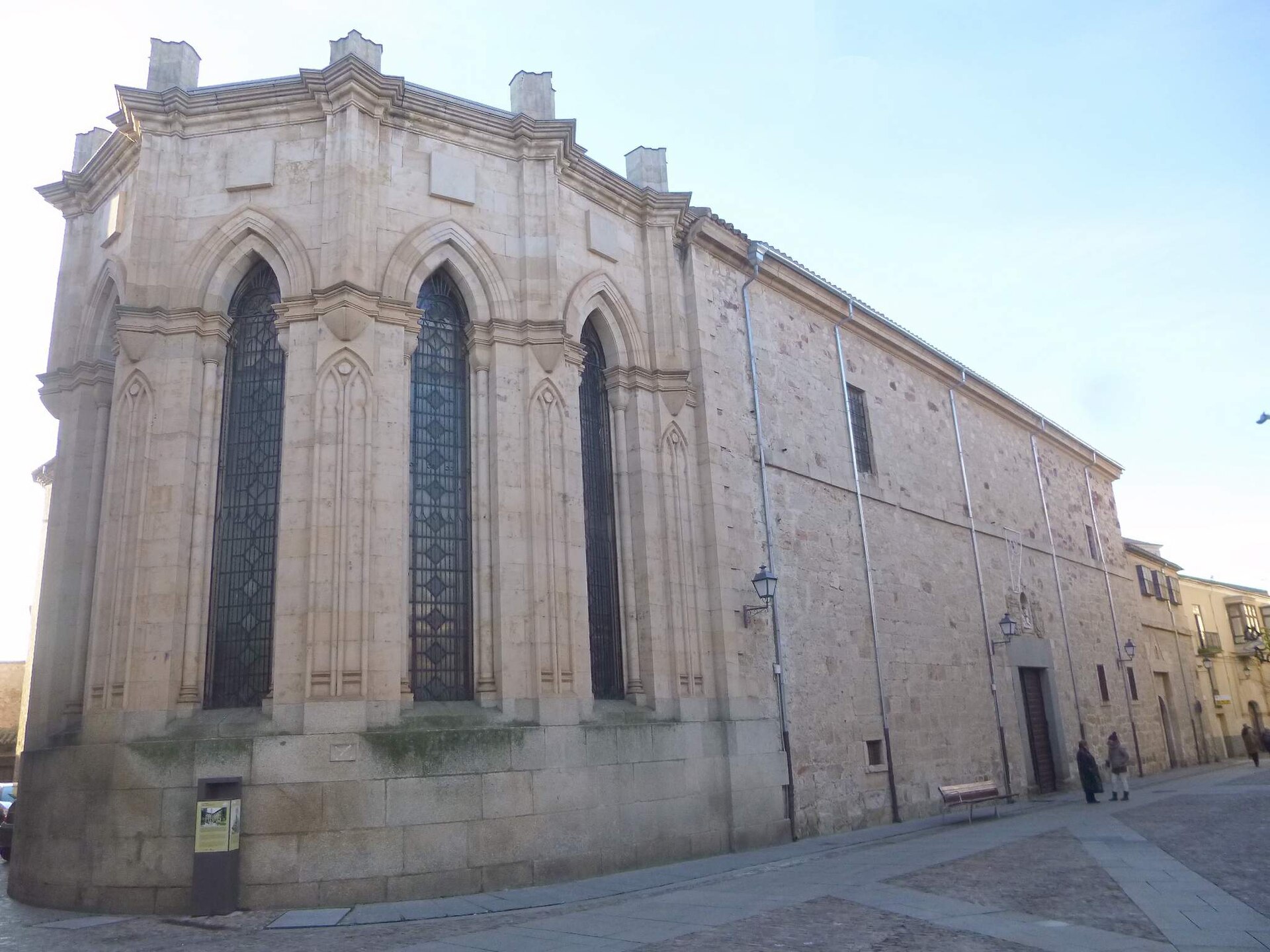
Museo Catedralicio de Zamora is the cathedral museum of Zamora, best known for its collection of Flemish tapestries, one of the most significant such collections anywhere in Europe. The entrance to the museum opens off the cathedral's cloister, setting an atmospheric tone before you even see a single exhibit.
What is the Museo Catedralicio de Zamora?
The museum opened in 1926 as the main museum institution of the Diocese of Zamora, bringing together liturgical objects and works of sacred art from the cathedral and the parishes of the surrounding region. For nearly a century it has given visitors access to pieces that once served in worship or decorated church interiors, and that now stand as evidence of the artistic wealth accumulated in Zamora over centuries.
What can you see inside?
The undisputed highlight is the collection of 15th- and 16th-century Flemish tapestries — around twenty pieces woven in the celebrated workshops of Arras, Tournai, and Brussels. The subjects range from historical and biblical episodes to allegorical scenes, and the craftsmanship reflects the technical precision for which the finest Flemish weaving workshops of the period were known.
Which tapestries stand out most?
- Tarquinius Priscus — a masterpiece woven in Flanders around 1475, generally regarded as the most valuable piece in the collection.
- The War of Troy — a series from the Tournai workshops, made in the last third of the 15th century, depicting scenes from the legendary conflict.
- The Vineyard — Brussels-made tapestries from around 1500, with allegorical themes.
- The History of Hannibal — a cycle created by the Brussels weaver François Geubels around 1570.
- King David — tapestries from the late 16th century, likely produced in an Oudenaarde workshop.
Each series marks a different stage in the development of tapestry weaving in the Low Countries, and each combines historical narrative with dense decorative detail in its own way.
Why did such a valuable collection end up in Zamora?
The tapestries entered the cathedral over the centuries through commissions and gifts from bishops and the cathedral chapter, who acquired prized textiles from workshops in the Low Countries — at the time the leading European centre for luxury tapestry production. Over time the collection grew to a scale rarely found outside the grandest European palaces and cathedrals.
How is a visit organised?
The exhibition occupies rooms adjoining the cathedral cloister in Zamora, making it easy to combine a museum visit with a tour of the cathedral itself and its surroundings. The tapestries are displayed under conditions designed to protect them from light and humidity, so the rooms tend to be dimly lit — worth knowing in advance, especially if you're planning to take photographs.
What else should you know before visiting?
A visit typically takes between thirty minutes and an hour, depending on how much time you spend with each tapestry and its accompanying information. The museum makes a natural complement to a visit to Zamora Cathedral, particularly for anyone interested in decorative arts and the history of European weaving.
Frequently asked questions
What is the main attraction at the Museo Catedralicio de Zamora? A collection of roughly twenty Flemish tapestries from the 15th and 16th centuries, woven in the Arras, Tournai, and Brussels workshops — one of the most important collections of its kind in Europe.
Where is the museum entrance? The entrance is located off the cathedral's cloister in Zamora, making it easy to combine with a visit to the cathedral itself.
When was the museum founded? The Museo Catedralicio de Zamora opened in 1926 as the main museum of the Diocese of Zamora.
Which tapestries should you prioritise? Tarquinius Priscus (c. 1475) is considered the most valuable piece, while the War of Troy and History of Hannibal series stand out for their narrative ambition and technical precision.
Nearby places

Earn badges for the places you visit
Download NextOnTrip, discover new places and check off your trails.