- Sacred Monuments
- Churches
Church of Santa María la Real, Soraluze-Placencia de las Armas
About this place
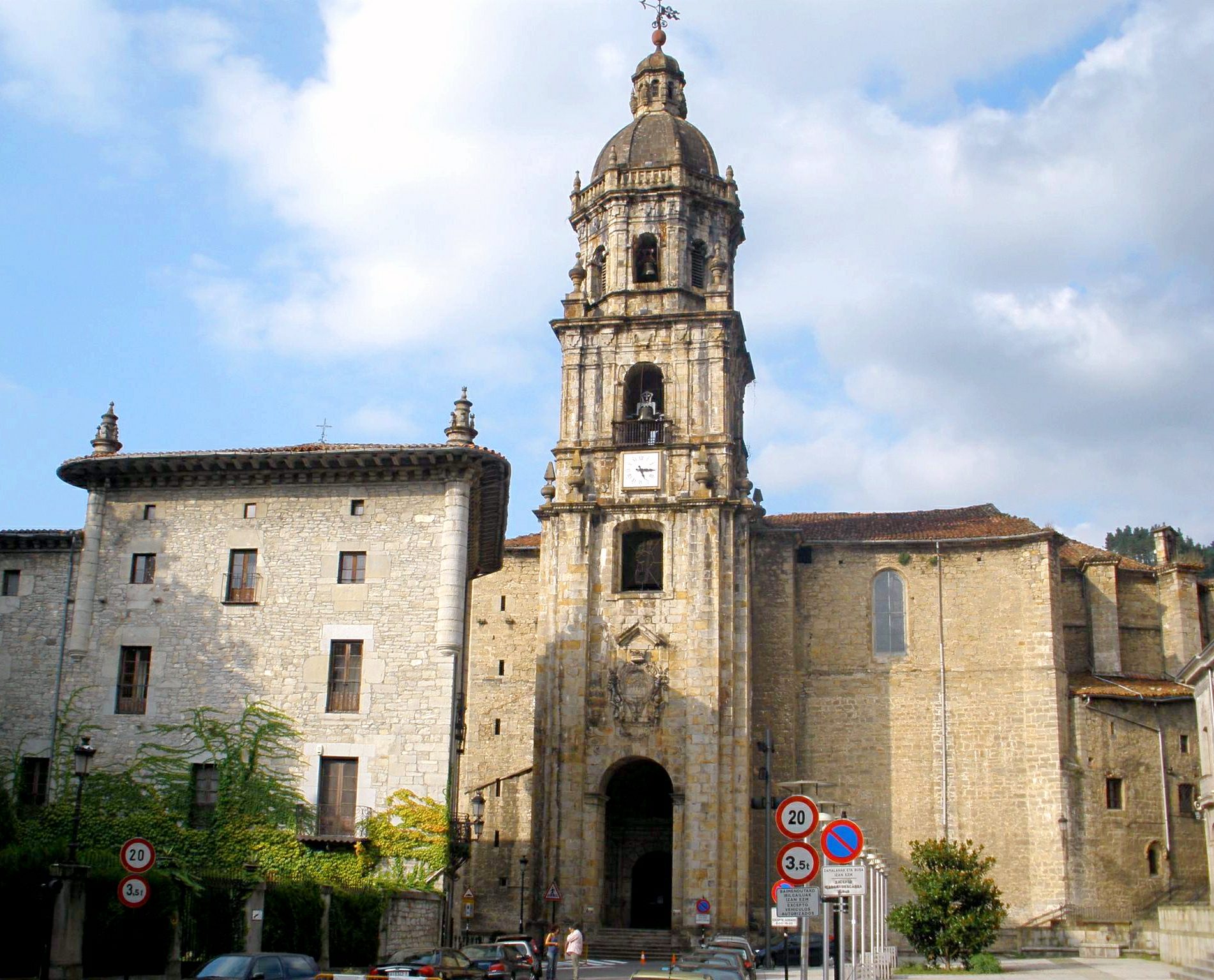
Church of Santa María la Real sits at the heart of Soraluze-Placencia de las Armas, a small town in the province of Gipuzkoa, in the Basque Country. It serves as the town's main parish church and remains one of the few historic buildings here that has survived intact into the present day.
What is the history behind this church?
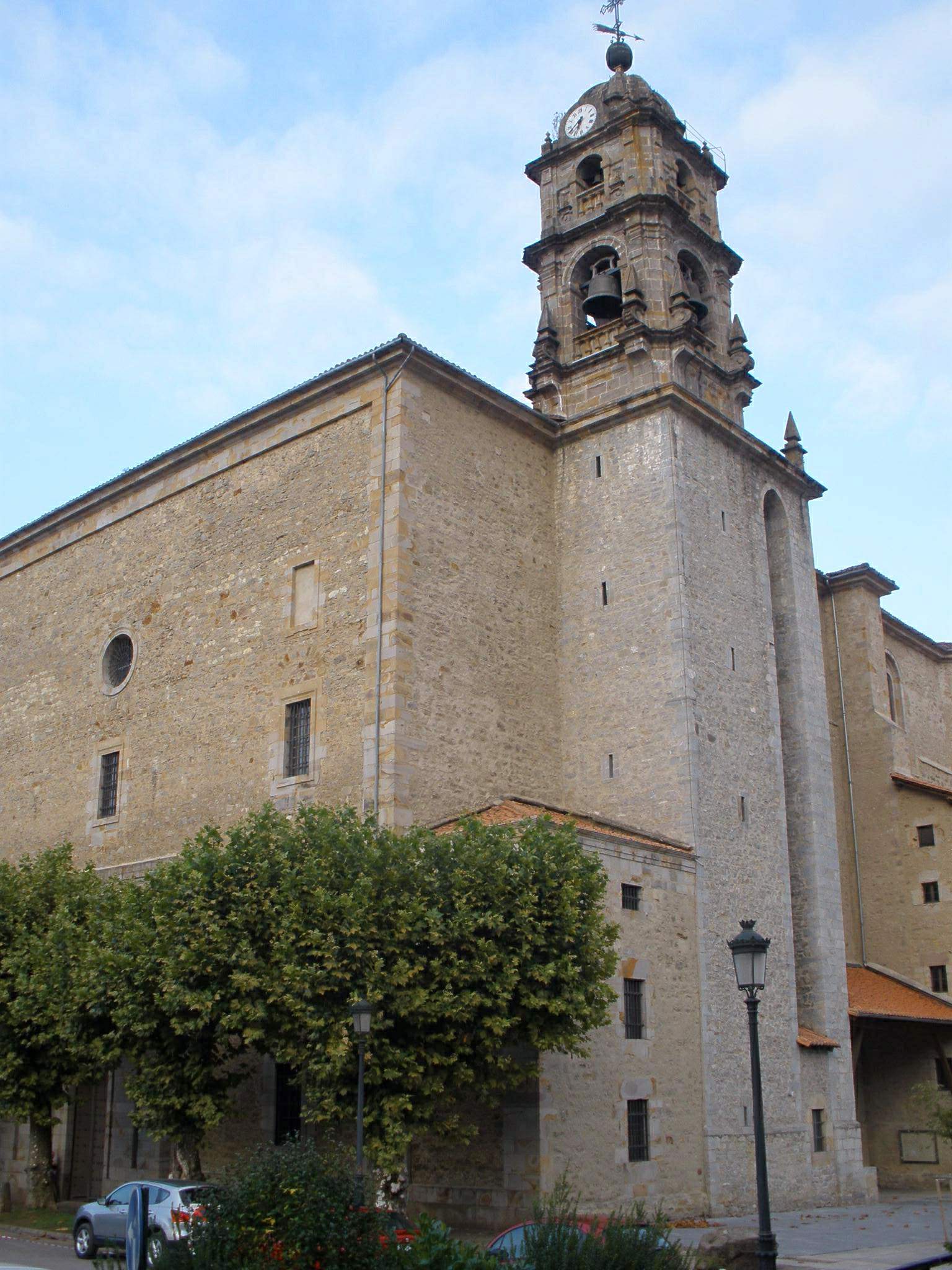
The earliest records of a church on this site go back to the 13th century, when a wooden structure stood in its place. By the late 14th century, that timber building had been replaced with a stone construction, marking the point where the church began to resemble what visitors see today. Its current form, however, largely dates from renovation work carried out in the second half of the 16th century and the early part of the 17th century, when the building was expanded and reinforced in the Basque Gothic style typical of the region.
The second part of the town's name, Placencia de las Armas, is not incidental. For centuries, the settlement was known for producing weapons and armor, an industry that shaped the local economy far more than trade or farming did in many neighboring Basque towns. The church grew alongside a community whose fortunes were tied to gunsmithing and metalworking rather than commerce.
What should visitors look for inside and outside the church?
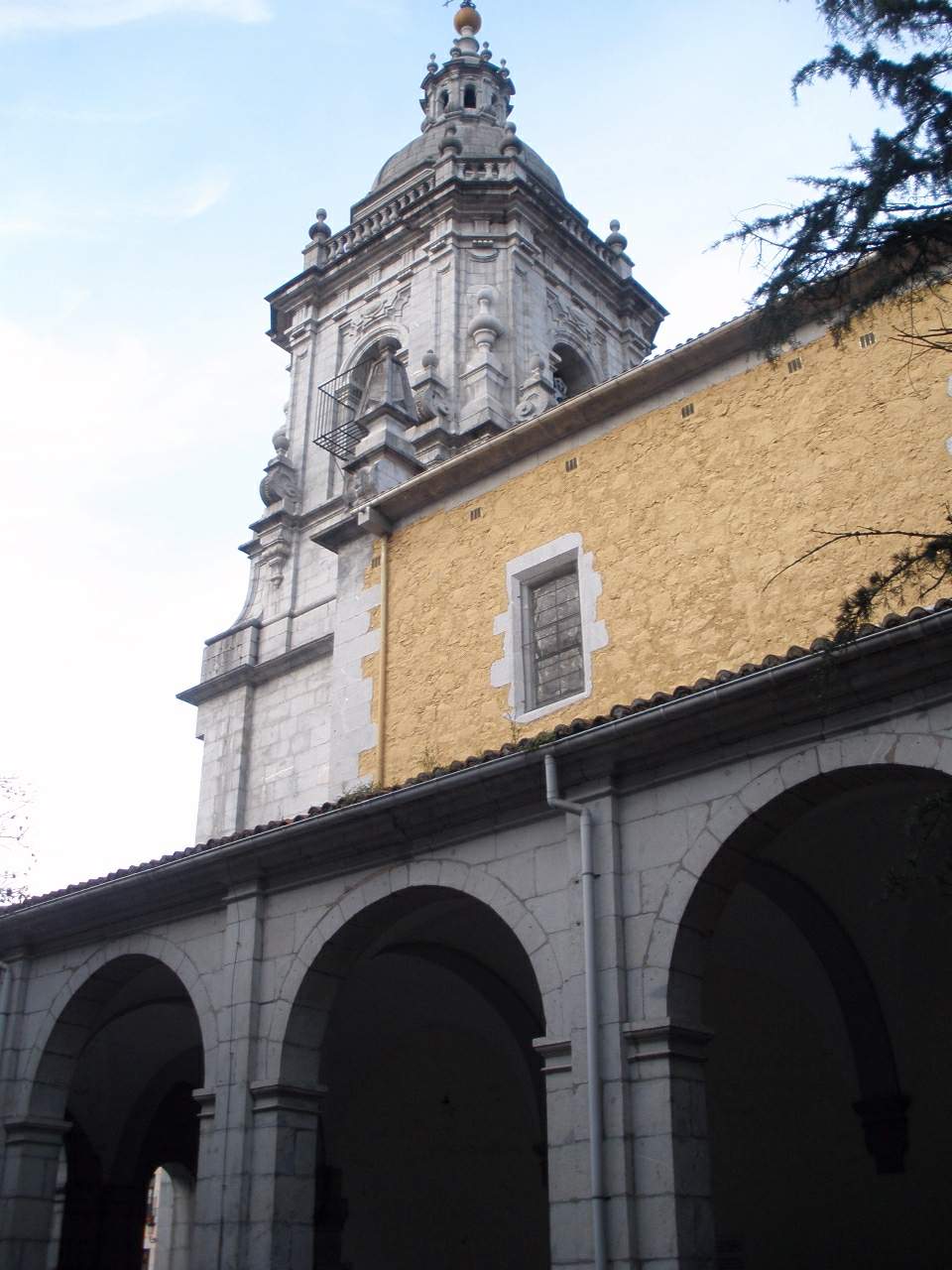
The most distinctive exterior feature is a wooden portico that blends Baroque and Renaissance elements — an unusual combination for a building of this scale, and one that draws the eye before visitors even step through the door. Inside, a Baroque atrium with an elaborately carved wooden structure sets this church apart from the plainer, more strictly Gothic churches found elsewhere in the region.
Together, these elements create a building where different historical layers sit side by side: a Gothic structural core, a Baroque-Renaissance entrance, and a richly decorated interior. That layering makes the church worth a look not only for visitors interested in religious architecture, but also for anyone curious about how building tastes shifted across several centuries in a single small town.
Are cultural events held at the church?
Yes, concerts are organized here throughout the year. The acoustics of the stone interior and the building's historic character make it a natural venue for classical and choral music, a common practice among similarly historic churches across the Basque Country.
How do you get to the church?
The church stands on Calle Kalebarren 2, right in the center of Soraluze-Placencia de las Armas, making it easy to find for anyone visiting the town. Given the town's compact size, the church functions as a natural landmark for orienting a walk through its historic core.
Frequently Asked Questions
When does the church's current form date from? The building's present appearance largely comes from renovation work carried out in the second half of the 16th century and the early 17th century, although records of a church on this site go back to the 13th century.
What architectural style is the church built in? It follows the Basque Gothic style, with a portico that combines Baroque and Renaissance elements.
What is the most distinctive architectural feature of the church? The wooden Baroque-Renaissance portico on the outside and the Baroque atrium with its carved wooden structure inside.
Can visitors attend cultural events at the church? Yes, concerts take place there throughout the year, a common practice for historic churches in this part of the Basque Country.
Nearby places

Earn badges for the places you visit
Download NextOnTrip, discover new places and check off your trails.