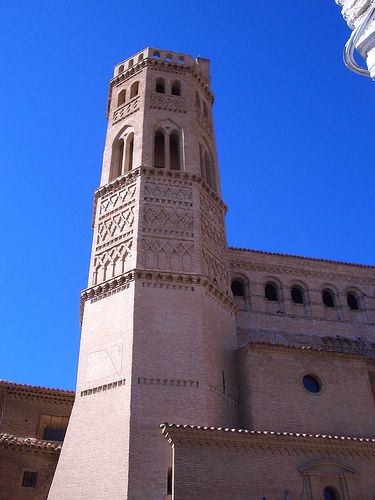
About this place
The Church of San Pedro Apóstol in Alagón, a town in the province of Zaragoza, Aragon, stands as one of the region's clearest examples of Gothic-Mudéjar architecture. Located along Aragon's Mudéjar route, the church has been protected as a Bien de Interés Cultural (Cultural Heritage Site) since 2001.
When was the church built?
The main body of the church dates to the late 13th or early 14th century. Much of the evidence suggests it was raised on the site of a former mosque, a common pattern in Aragonese towns where Christian parishes inherited the religious and urban footprint left after the Reconquista. The bell tower is older still: it was built over the remains of an earlier minaret, possibly dating back to the 11th century.
Why does the tower look so distinctive?
The tower follows the classic Almohad minaret tradition found across the Iberian Peninsula, and its upper section preserves elaborate Mudéjar ornamentation — corner friezes, zig-zag patterns, rhombus motifs, and interlacing arches. This blend of Islamic decorative craftsmanship with a Christian religious structure is exactly what defines the Mudéjar style, and it's why towers like this one are instantly recognizable across the churches of Aragon.
What does the interior look like?
Inside, the church has a single nave divided into two sections, closed by an apse that is semicircular on the interior and polygonal, with five sides, on the exterior. The whole structure is covered with simple cross vaults, a construction choice typical of more modest parish churches of the period, favoring durability and function over ornament.
What historic event is linked to this church?
Historical accounts point to this Mudéjar church as the likely site where King Pedro IV of Aragon married María of Navarre in 1338. The choice of San Pedro for a royal wedding says a good deal about how prominent the church was in Alagón and the wider region at the time.
What protection status does the building hold?
The church and its tower were declared a Bien de Interés Cultural in the Monument category by a decree dated December 18, 2001, published in the Official Bulletin of Aragon on January 4, 2002. That designation formally recognizes the building's architectural and historical importance at a regional level.
Frequently Asked Questions
Where exactly is the Church of San Pedro Apóstol located? It stands in Alagón, a town in the province of Zaragoza in northeastern Spain, along Aragon's Mudéjar heritage route.
How old is the church? The main structure dates to the late 13th or early 14th century, while the tower — built over an earlier minaret — may go back as far as the 11th century.
Why is the style called Mudéjar? Mudéjar architecture emerged from Muslim craftsmen who continued working under Christian rule after the Reconquista, combining Islamic decorative techniques, such as brick friezes and geometric patterns, with the structural needs of Christian churches.
Can visitors go inside the church? As an active place of worship and a site listed among Aragon's Cultural Heritage properties, the church is generally open to visitors as part of Alagón's local tourism offer, though exact visiting hours are best confirmed locally or through the town's tourist information point.
Nearby places
-
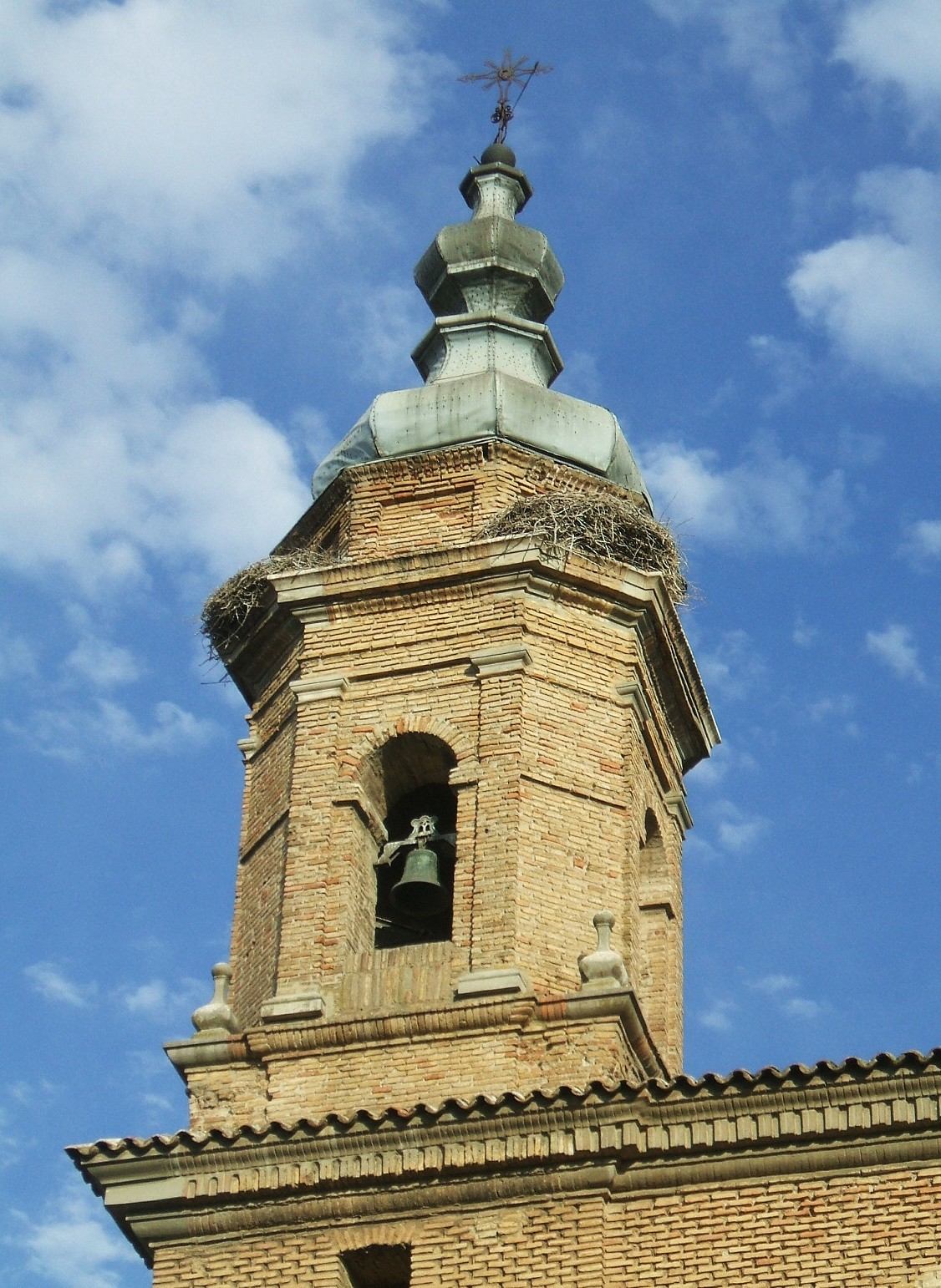
Church of San Antonio de Padua, Alagón
Alagón
-

Carmelite Convent of the Incarnation, Zaragoza
Saragossa
-
Iglesia de Santo Tomás de Villanueva
Saragossa
-
Virgin of Pilar Museum (Our lady of Pilar Basilica)
Saragossa
-
Iglesia parroquial de Nuestra Señora de Altabás
Zaragoza
-
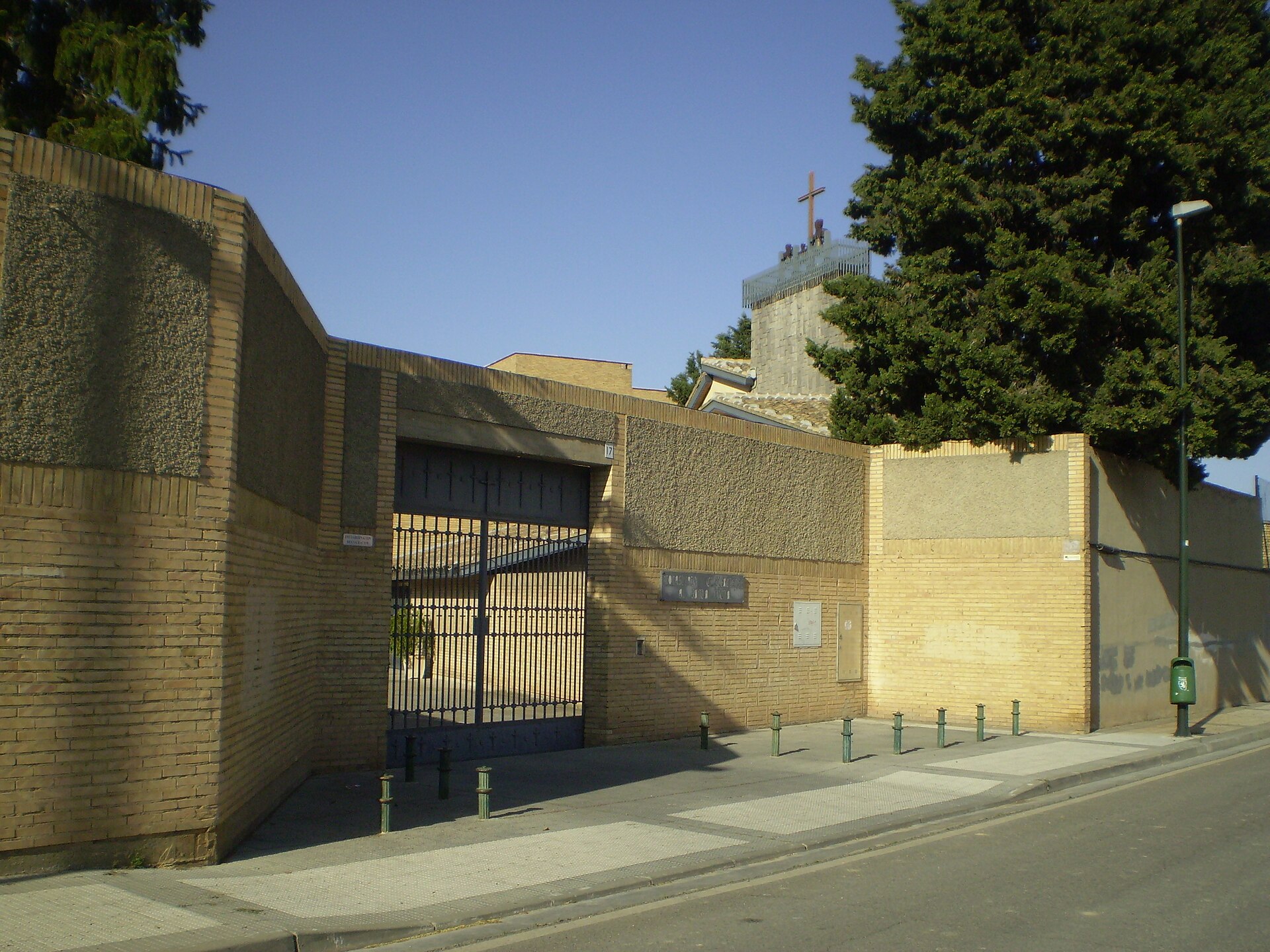
monastery of Santa Lucía
Zaragoza
Earn badges for the places you visit
Download NextOnTrip, discover new places and check off your trails.