About this place
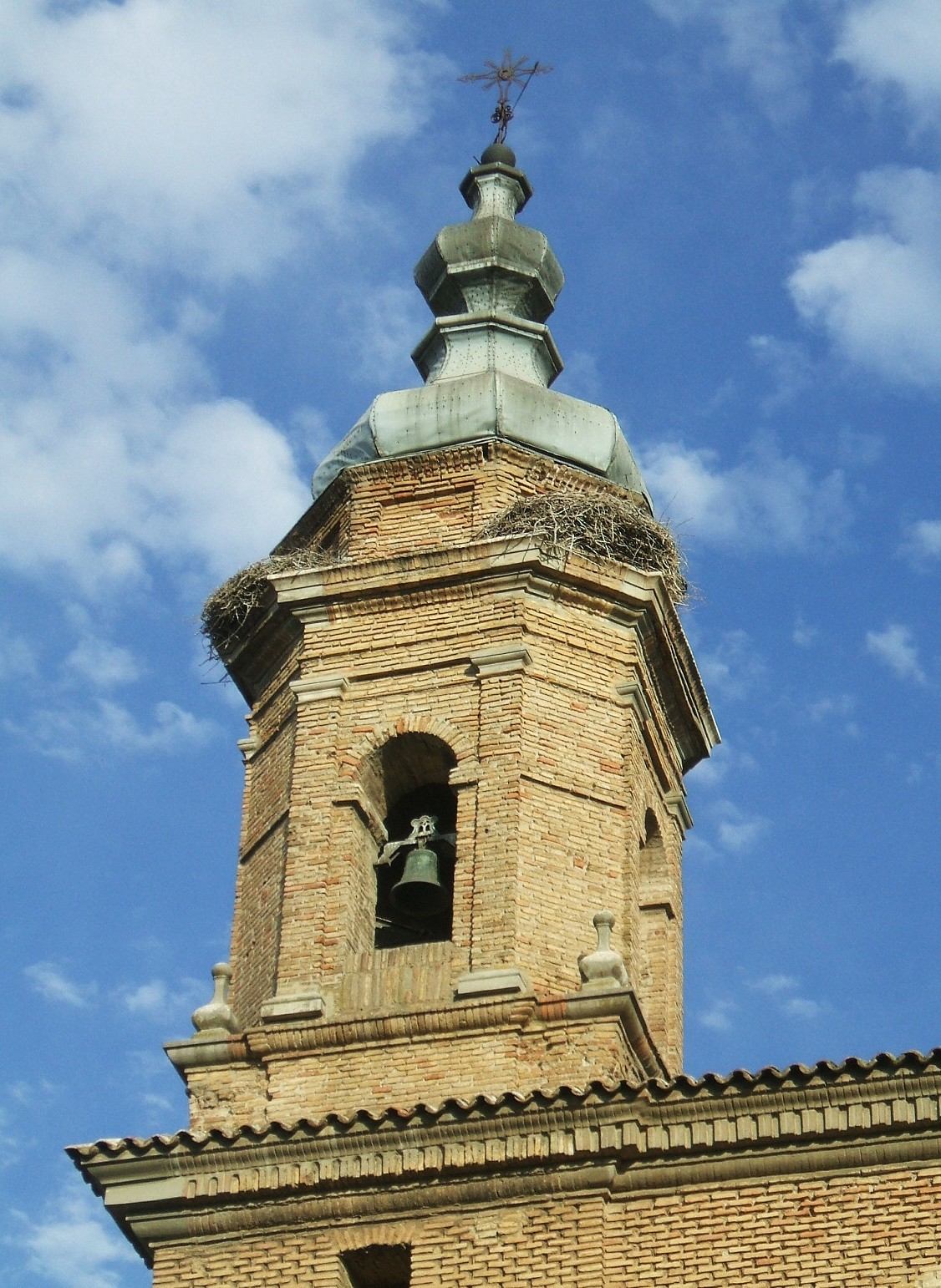
The Church of San Antonio de Padua stands in Alagón, a small town on the Ebro river in the province of Zaragoza, and remains one of the town's most recognizable landmarks.
Who built the church, and when?
Construction began in 1735, based on a design by Antonio Forcada, a Jesuit architect from Zaragoza who also designed the adjoining Jesuit college. The Society of Jesus had already been established in Alagón since the second half of the 17th century, and the new church was meant to serve both the order and the townspeople.
What does the building look like architecturally?
The church follows a Latin-cross floor plan with a single nave, covered by a barrel vault with lunettes. Side chapels line the nave, topped with galleries above them. The transept is comparatively modest in size, while a dome resting on pendentives — the triangular transitional elements that connect a round dome base to a square crossing below — rises above the point where nave and transept meet. The apse closes in a polygonal shape rather than a simple curve.
The exterior walls are built mostly of brick, a common choice in Aragonese architecture of the period. Stone was reserved for the base of the building, while the entrance portal was carved in alabaster — a more costly material used to mark the main facade. Among the most distinctive external features are the tower positioned at the facade and a small lantern tower (cimborrio) above the crossing, capped with an eight-sided roof covered in colorful glazed tiles — a detail that gives the building a distinctly picturesque silhouette compared to neighboring parish churches.
Did the church survive the Spanish Civil War intact?
The building suffered a fire during the Spanish Civil War that caused serious damage, mostly to the interior furnishings — altars, sculptures, and decorative elements bore the brunt of the destruction, while the structure itself survived. Restoring the interior took decades, and the most significant turning point came with a comprehensive restoration carried out by the Diputación de Zaragoza (the provincial council), completed in 1997. That project returned the historic building to a stable condition that it retains today.
Is the church worth visiting while in Alagón?
For visitors touring the Ebro valley, the Church of San Antonio de Padua offers a clear example of Aragonese Baroque religious architecture, combining plain building materials — brick above all — with concentrated ornamental richness at key points such as the portal and the dome. The adjoining former Jesuit college adds historical context, recalling the order's presence in the town since the 17th century.
Frequently Asked Questions
When was the Church of San Antonio de Padua in Alagón built? Construction started in 1735, following a design by the Jesuit architect Antonio Forcada.
Who designed the church? Antonio Forcada, a Jesuit from Zaragoza, designed both the church and the adjoining Jesuit college.
What are the church's most distinctive architectural features? A facade tower, a dome resting on pendentives, a lantern tower with an eight-sided, colorfully glazed tile roof, and an alabaster entrance portal set against brick exterior walls.
Was the building damaged in the past, and has it been restored? Yes — a fire during the Spanish Civil War destroyed much of the interior furnishings. A full restoration of the building, carried out by the Diputación de Zaragoza, was completed in 1997.
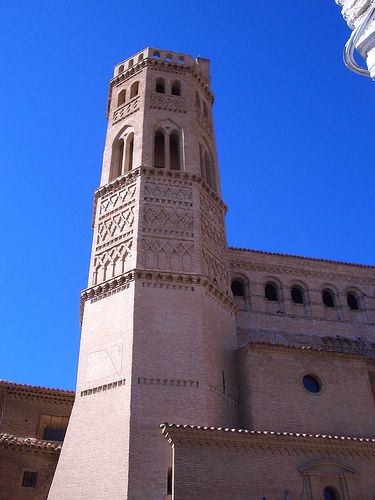
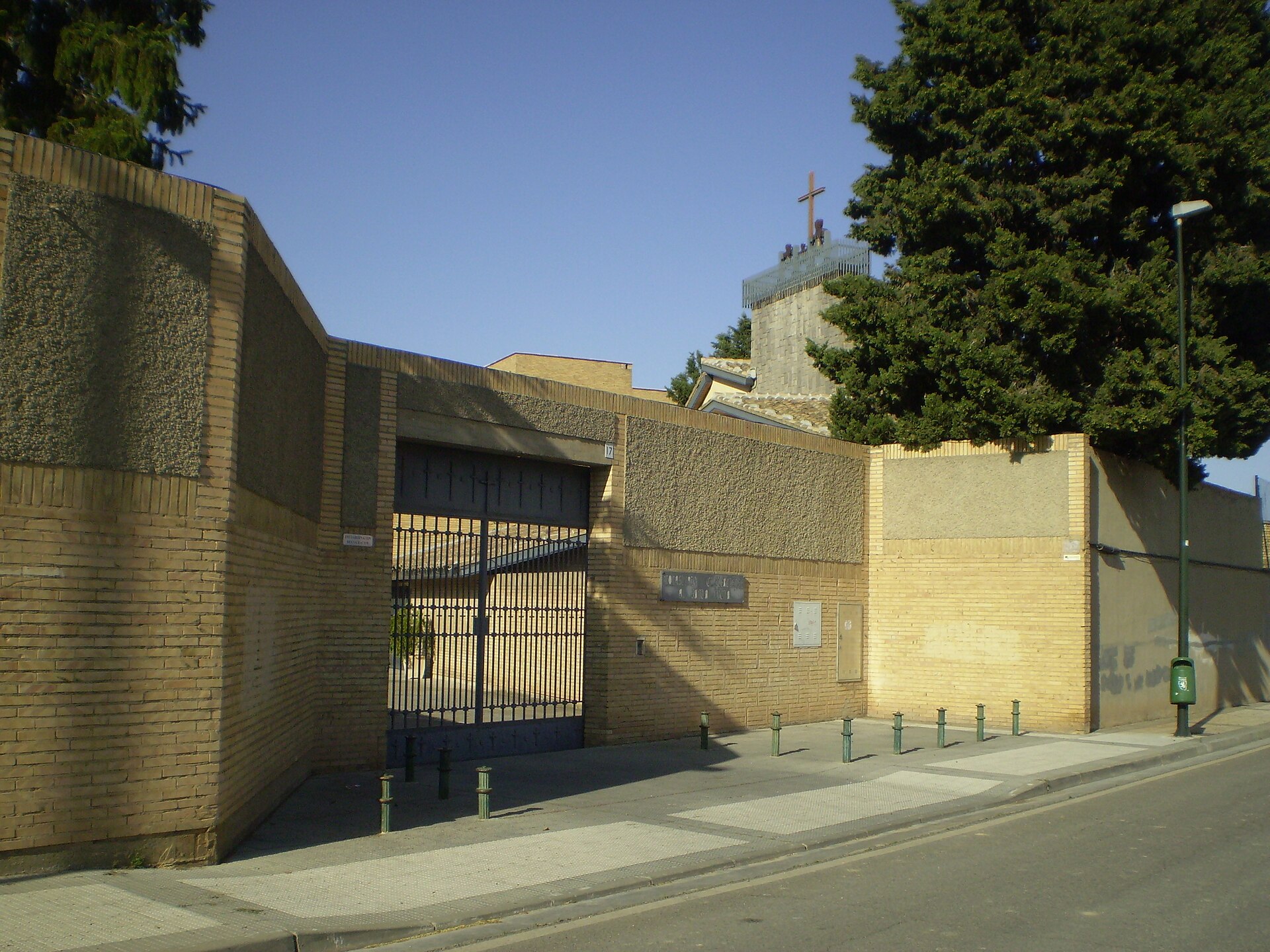
Nearby places

Earn badges for the places you visit
Download NextOnTrip, discover new places and check off your trails.