About this place
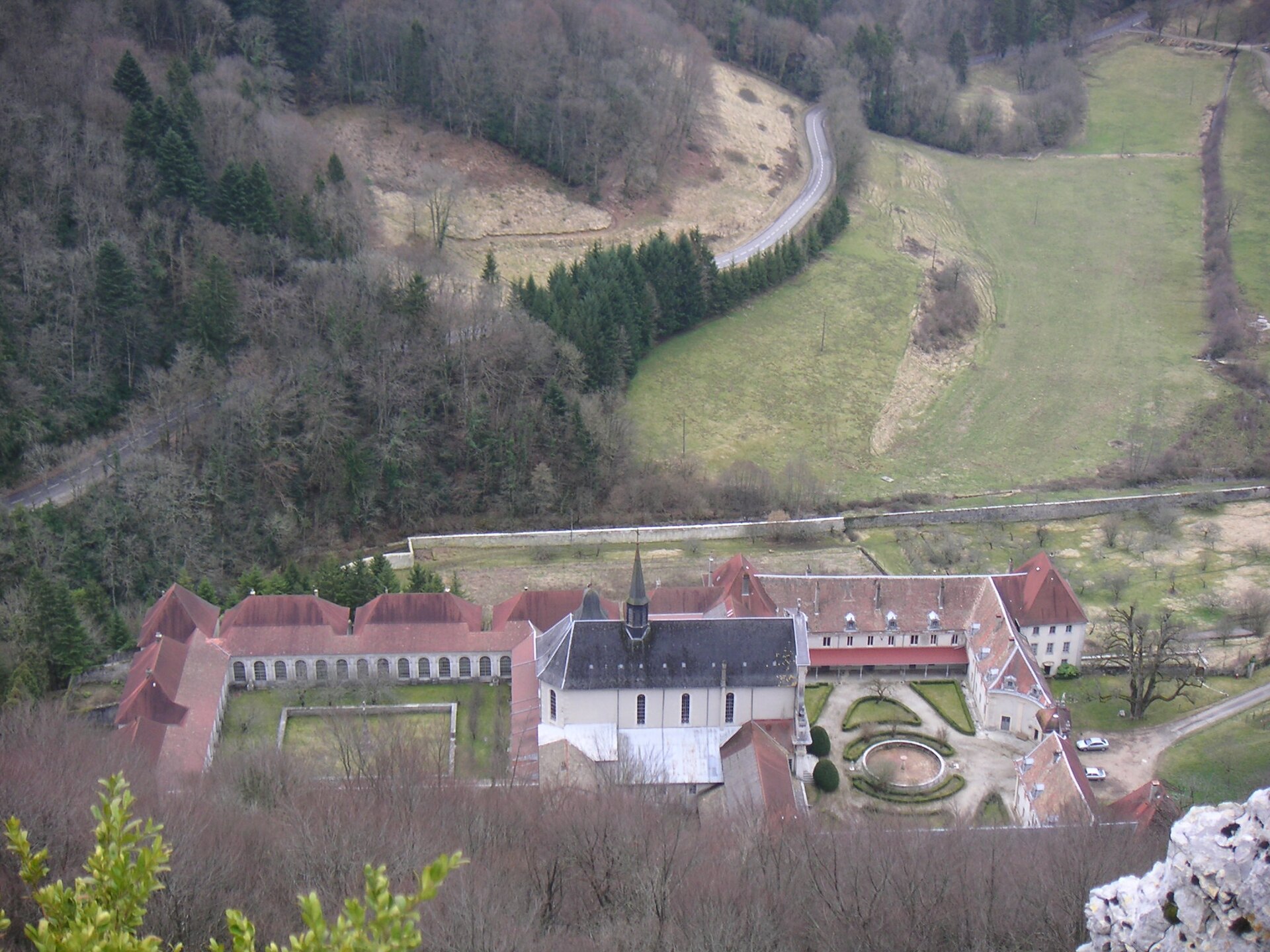
Chartreuse de Vaucluse is the ruins of a medieval Carthusian monastery in Onoz, in the French Jura department, remembered above all for its extraordinary fate — most of its buildings now rest at the bottom of a lake. It ranks among the oldest Carthusian foundations in France, and its story bridges centuries of monastic seclusion with 20th-century hydroelectric engineering.
How was the monastery founded?
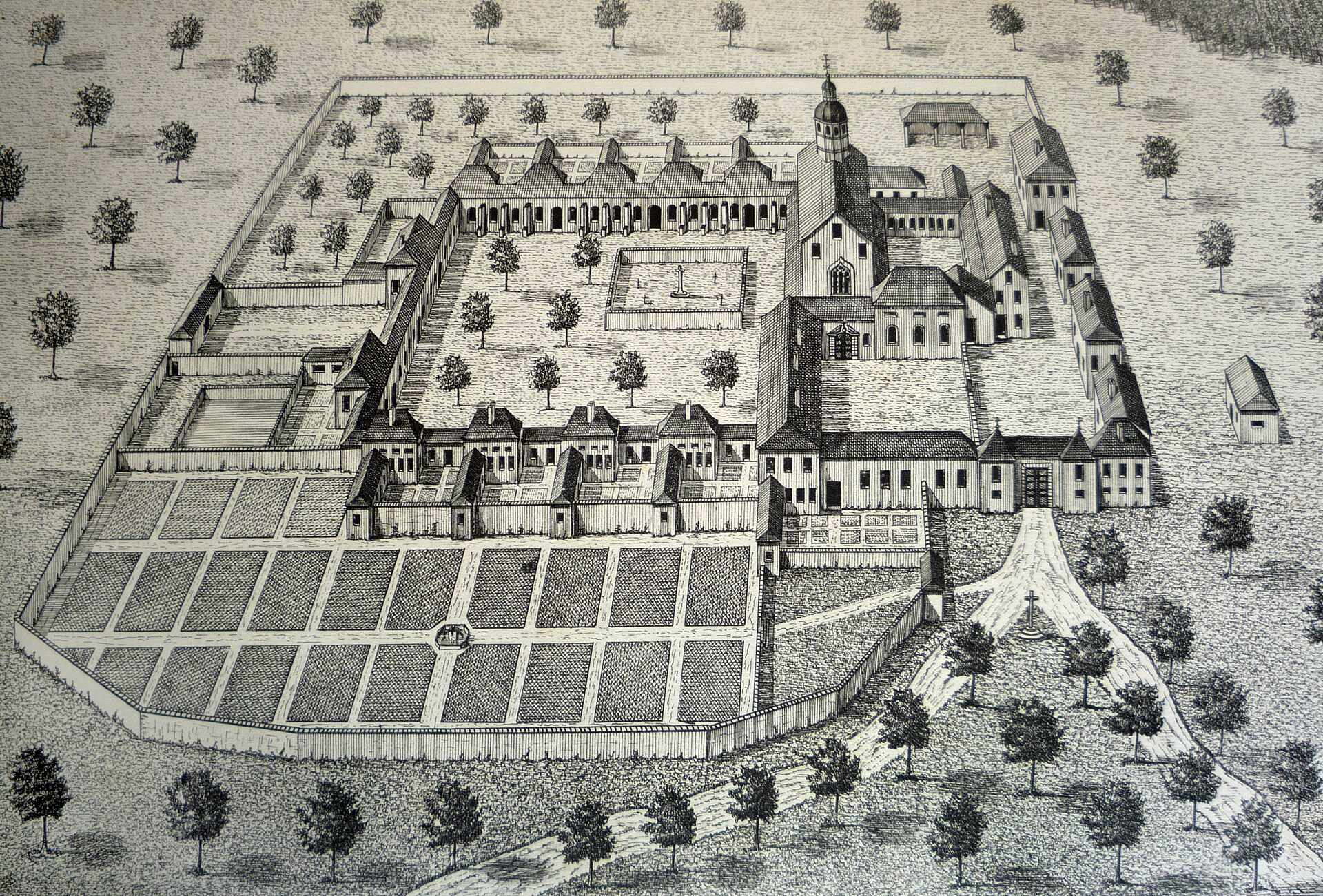
The charterhouse was established in 1139 through donations from local nobility. The decisive gift — a vast domain of roughly 850 hectares — came from Hugues de Cuiseaux, lord of Virechatel. For centuries afterward, a community of Carthusian monks lived here in contemplative isolation, following the order's strict rule of withdrawal from worldly life. The monastery buildings were rebuilt several times over the years; a major renovation took place between 1756 and 1757, with further construction campaigns in 1766 and 1787 — evidence that the site remained active and significant right up to the eve of the French Revolution.
What happened after the Revolution?
The Revolution stripped the monastery of its religious function. On 17 October 1793, the property was sold off as national property. A farmer became the new owner, and the buildings later passed to a noble family who held them for generations — until 1965, when the estate was expropriated by the French power utility EDF.
Why is the monastery underwater?
The expropriation was tied to the construction of a dam on the river Ain, which began in 1965. The charterhouse stood on the right bank of the river, directly in the area slated to be flooded. When the reservoir was filled in 1968, it created Lake Vouglans — today one of the largest artificial lakes in France — and the monastery's buildings ended up submerged under more than 45 metres of water. It stands as one of the most striking examples of "sunken heritage" in the Jura region.
What can visitors actually see today?
Not everything was lost. The entrance portal and the gatehouse pavilions of the charterhouse were carefully dismantled before the flooding and reassembled above the lake's water line. These surviving elements are now the main tangible trace of the former monastery — a destination for anyone curious about the region's history and about places swallowed by the great hydroelectric projects of the 20th century.
How to get there and what to know before visiting
The site lies in the commune of Onoz, within the area associated with Lake Vouglans, a popular destination in the Jura for hiking and watersports. Visits are limited to the surviving portal and pavilions — the rest of the original structure is inaccessible, resting on the reservoir floor. It's worth combining a stop here with a wider visit to Lake Vouglans, which offers walking trails, viewpoints, and boat trips; the story of the drowned monastery makes for a memorable addition to a day exploring the lakeside landscape.
Frequently asked questions
Can you see the submerged monastery ruins? No — the monastery buildings lie at the bottom of Lake Vouglans, more than 45 metres below the surface, and are not accessible. Only the elements relocated above the waterline can be visited.
What exactly survived from the charterhouse? The entrance portal and the gatehouse pavilions survived — they were dismantled before the area was flooded and rebuilt in a safe location above the lake.
When was the monastery flooded? It was submerged in 1968, once the dam on the river Ain was completed and the reservoir that formed Lake Vouglans was filled.
How old is this monastery? Chartreuse de Vaucluse was founded in 1139, making it one of the oldest Carthusian monasteries in France — it remained in continuous use for more than 650 years, until the French Revolution.
Nearby places

Earn badges for the places you visit
Download NextOnTrip, discover new places and check off your trails.