About this place
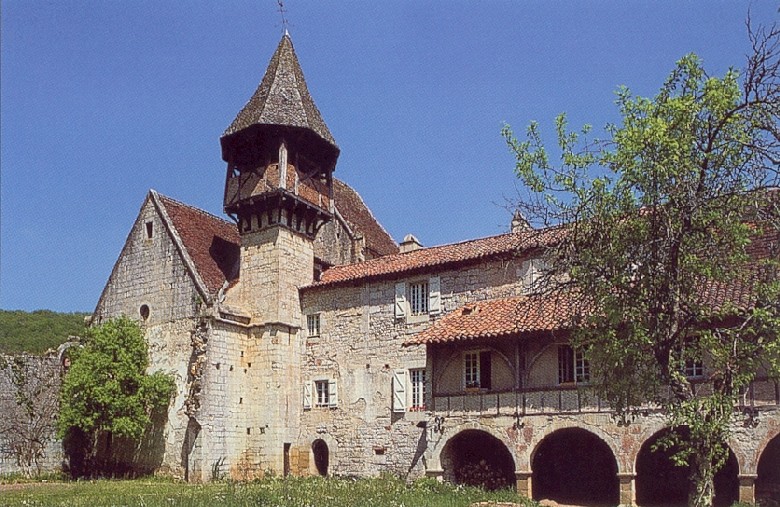
The chapel of the Dominican Sisters' convent of Bor stands in the hamlet of Bor, part of the commune of Bor-et-Bar in the Aveyron department of southern France. It sits in a quiet, green corner of the Viaur valley, surrounded by a handful of houses that make up the small settlement of Bor.
How did a convent end up in such a remote spot?
The Dominican community was founded in 1850, largely through the efforts of Alexandrine Conduché, who took the religious name Mother Anastasie. The new congregation, dedicated to Notre-Dame du Très Saint Rosaire, combined a life of prayer with active teaching work from its earliest years. The convent chapel itself was built in 1849 and rebuilt in 1864, suggesting the original structure was outgrown fairly quickly as the community expanded.
Why did the sisters later move their motherhouse to Monteils?
Word of the new congregation spread through nearby parishes, and requests soon arrived asking the sisters to open schools for local children. Vocations grew steadily, even though living conditions at Bor remained modest and cramped. In time, the congregation relocated its motherhouse to Monteils, a town with better access and a more central position than the isolated hamlet of Bor. The chapel and convent buildings at Bor, however, continued to serve as an active religious site.
What is the connection to the Dominican mission in Brazil?
In 1885, the still-young congregation answered a call from the Dominican Fathers of Toulouse and sent its first volunteer sisters to serve on a mission in Brazil. For a small community rooted in a remote Aveyron village, this marked a striking expansion of its work well beyond the borders of France.
What remains of the convent today?
The hamlet of Bor today consists of the convent, its church, a small square and five houses - a modest cluster typical of rural Aveyron. The former convent buildings now operate as a guesthouse, welcoming visitors looking for quiet and rest. The chapel itself remains in use as a place of prayer, open to anyone wishing to attend Mass or simply spend time in a peaceful setting.
What should visitors know before going?
Bor-et-Bar lies deep in the Aveyron countryside, along the Viaur valley, well away from the region's busier tourist routes - this is a destination for travelers seeking stillness rather than crowded landmarks. Since the chapel and convent remain part of a working guesthouse and an active place of worship, visits are best planned with consideration for the rhythm of daily life there.
Frequently asked questions
When was the convent at Bor founded? The community was established in 1850, founded by Alexandrine Conduché, later known as Mother Anastasie.
When was the chapel built? The original chapel dates from 1849 and was rebuilt in 1864.
Why is the congregation's motherhouse in Monteils rather than Bor? Bor proved too isolated and cramped for the growing community, so the main house was moved to the better-connected town of Monteils.
Can the chapel be visited today? Yes, it remains active and open to visitors who wish to pray or attend Mass.
What is the former convent used for now? The convent buildings currently function as a guesthouse and retreat space.
Nearby places

Earn badges for the places you visit
Download NextOnTrip, discover new places and check off your trails.