About this place
The Cave of Siete Altares near Urueñas, in the province of Segovia, Castile and León, ranks among the oldest traces of Christian worship in the region. Carved into a limestone cliff above the Duratón river, this small cave preserves the remains of a hermitage more than thirteen centuries old, making it a compact but striking stop along the Hoces del Duratón canyon.
Where exactly is the cave?
The site sits inside the Hoces del Duratón gorge, a short walk upstream from one of the bridges crossing the canyon, on land that has historically belonged to the "Land of Sepúlveda" — a community of villages that has included Urueñas since medieval times. The nearest landmark for visitors is Villaseca, a small settlement within the municipality of Sepúlveda, from where a riverside path leads to the cave. The cliffs rising above the water here form one of the most recognizable landscapes in the province.
What will you actually see there?
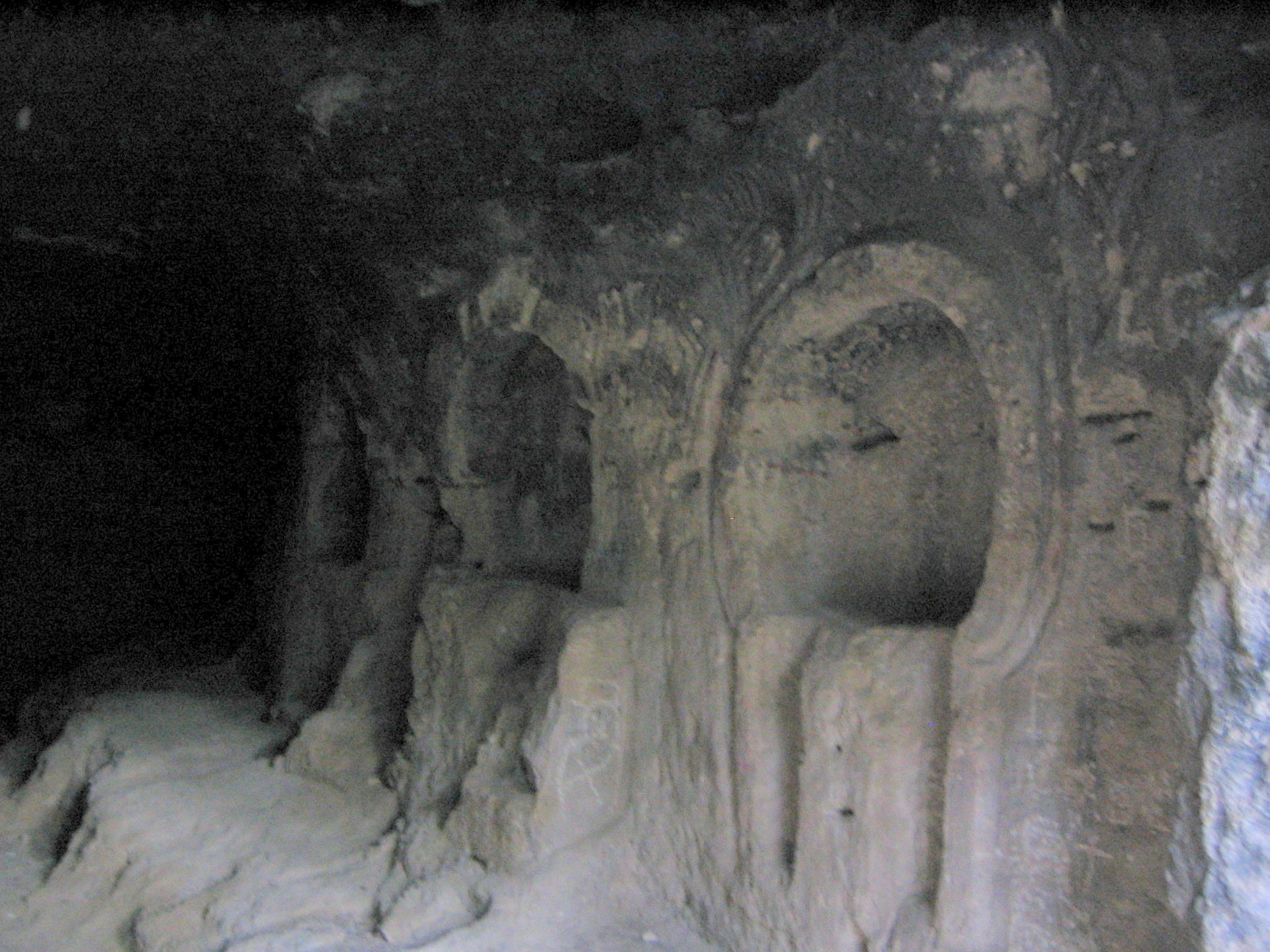
The cave itself is a natural hollow that Visigothic hermits adapted, most likely in the 7th century, carving two chapels linked by an arch and seven niches that served as altars — the source of the site's name. Three of those niches survive today, still bearing geometric patterns cut by the hermits who once lived there. A metal grille protects the entrance, but it does not block the view of the interior and the centuries-old remains of worship inside. The cave is considered one of the earliest sites of Christian devotion in Segovian territory, and local tradition links it to Saint Frutos (San Frutos), patron saint of the Diocese of Segovia, said to be among the hermits who dwelled here. A Benedictine priory was later built over his tomb; its ruins, together with a hermitage, still stand on a rocky spur overlooking the canyon a short distance from the cave. Since 1994 the cave has been officially protected as a cultural asset with archaeological-zone status, confirming its historical significance.
When is the best time to visit?
Spring and autumn are the most comfortable seasons, with mild temperatures for walking along the canyon and the Duratón river at its most photogenic. This is also when griffon vultures nest on the surrounding cliffs, forming one of the largest colonies of the species in Europe — watching them circle overhead adds an extra layer of interest to the walk toward the cave. Summer heat can make longer trails uncomfortable, so an early-morning visit is worth planning during that season.
How do you get there?
Urueñas and neighboring Villaseca are best reached by car, roughly half an hour from the city of Segovia or via the local road from Sepúlveda toward the canyon. From the parking area near Villaseca, a short, well-marked path follows the river to the cave and is manageable for an averagely fit visitor. Sturdy footwear is recommended, as the ground is uneven and partly rocky.
Frequently asked questions
Can you go inside the cave? No — the entrance is fitted with a protective grille, so you cannot step inside, but the interior and the surviving altars are clearly visible from the outside.
Where does the name "Seven Altars" come from? From the seven niches carved into the rock, which served as altars when the cave was used by Visigothic hermits for worship. Only three of these niches remain today.
How long does a visit take? Viewing the cave itself takes just a few minutes, but factor in the walk along the canyon — a round trip usually takes between 30 and 60 minutes.
Is it worth combining with other nearby sights? Yes — the ruins of the San Frutos priory and hermitage sit on a rocky spur above the canyon nearby, and the wider Hoces del Duratón area offers hiking trails and viewpoints over the vulture colony.
Nearby places
-

Royal abbey of Santa María la Real
Fuente el Olmo de Fuentidueña
-
Sanctuary of Our Lady of Hornuez, Moral de Hornuez
Maderuelo
-
Church of Santiago Apóstol
El Cardoso de la Sierra
-
Cementerio de Pinilla del Valle
Alameda del Valle
-
Church and Convent of San Pablo, Peñafiel
Peñafiel
-
Convento de Santa María de Oreja
Langayo
Earn badges for the places you visit
Download NextOnTrip, discover new places and check off your trails.