About this place
Convento de Santa María de Oreja is a set of medieval monastic ruins in the municipality of Langayo, in the province of Valladolid, Castile and León. The site sits on the edge of the Campaspero plateau, at a crossroads of old routes linking Bahabón, Minguela, Campaspero and Langayo itself.
What is the history behind the ruins?
The monastery is believed to date from the 10th or 11th century, a period when Christian settlers were repopulating the Duero river basin. The community is thought to have played a significant role in settling the surrounding area, particularly the nearby village of Campaspero. No records survive to confirm when the monastery ceased operating or which religious order ran it. The only clue is a 17th-century entry in the parish register of Cogeces del Monte, which claims a Templar connection — a claim historians treat cautiously, since no other source backs it up.
Because the site sat on a contested boundary between the jurisdictions of Peñafiel and Cuéllar, it was also caught up in territorial disputes. Stone boundary markers known locally as majanos, once used to define these old borders, can still be found scattered across the surrounding land.
What will you actually see there?
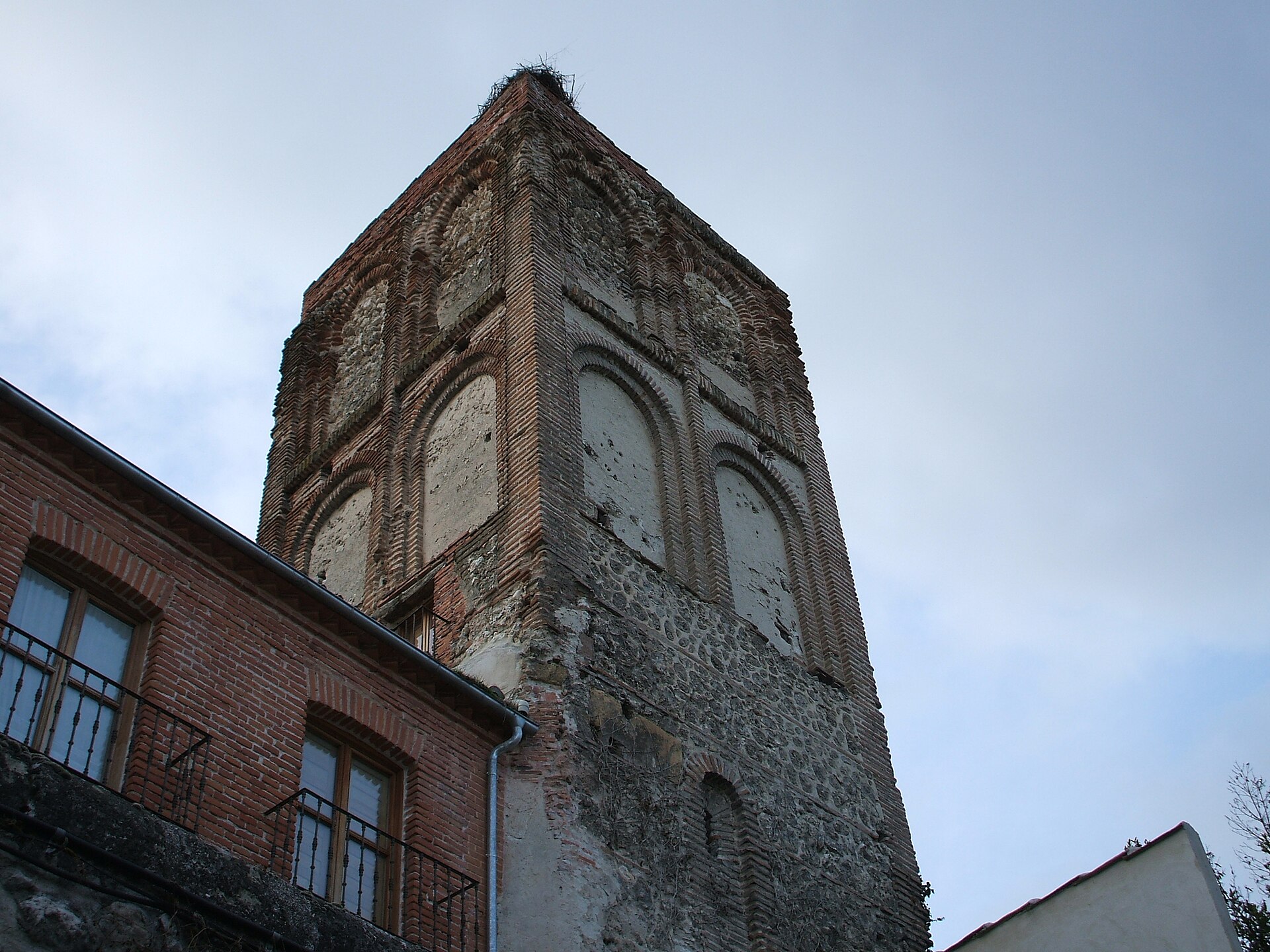
Only ruins remain of the original monastic buildings: stone walls worn down by centuries of weather, and in places by outright looting. A makeshift livestock pen now occupies the central area of the former complex, giving the whole place a stark, abandoned feel. There are no information boards, restored walls or visitor facilities — this is a genuinely wild historical remnant, appealing mainly to hikers and history enthusiasts willing to seek out traces of the past without any tourist infrastructure around them.
The setting itself is part of the appeal. The Campaspero plateau stretches out toward the horizon, and at sunset the ruins take on an especially atmospheric, almost eerie character that photographers and walkers in the area tend to seek out.
How do you get there?
The ruins stand in open countryside outside the built-up area of Langayo, along a route connecting several nearby settlements, including Bahabón, Campaspero, and the abandoned hamlet of Minguela. The easiest approach is to drive to Langayo or Campaspero and continue on foot or by bike, since the final stretch crosses fields and pastureland. There is no marked trail signage or parking right at the ruins, so it is worth treating the visit as a countryside walk rather than a standard sightseeing stop, and planning the route and footwear accordingly.
When is the best time to visit?
Spring and autumn are the most comfortable seasons, since temperatures on the exposed Campaspero plateau can be harsh in high summer. Both seasons also show the landscape at its best, whether through green fields or autumn colors. Late afternoon is the ideal time of day, letting visitors catch the ruins bathed in the light of the setting sun, when the site is at its most striking.
Frequently asked questions
Can you visit the monastery with a guide? No. There is no official visitor management at this site — it is an unattended ruin that people explore independently, much like other abandoned historical sites in the region.
Which religious order founded the monastery? It is not known for certain. The only lead is a 17th-century reference in the parish register of Cogeces del Monte suggesting a link to the Knights Templar, though there is no solid evidence to confirm it.
Are there other attractions nearby? Yes. The visit pairs well with a stop in nearby Peñafiel, known for its castle and Ribera del Duero wineries, or a trip to the historic town of Cuéllar.
Can you drive right up to the ruins? Not reliably. It is safest to park in Langayo or Campaspero and continue on foot or by bike, as the final approach roads are unpaved field tracks.
Nearby places

Earn badges for the places you visit
Download NextOnTrip, discover new places and check off your trails.