About this place
The Church and Convent of San Pablo in Peñafiel stands among the most important religious monuments in the province of Valladolid — a Gothic-Mudejar monastic complex raised on the site of a former royal fortress, open today for independent or guided visits.
What is the history behind this site?
The ground on which the convent now stands was once occupied by the alcázar (fortress) of Alfonso X the Wise, built by the king for its commanding position on the plateau above the town. In 1318, Pope John XXII issued the founding bull for the Dominican convent of San Juan and San Pablo. The project was driven by Infante Juan Manuel (1282–1348), a Castilian nobleman related to the royal house, a military leader, lord of Peñafiel, and also known for his literary work. Juan Manuel handed the community the alcázar built by his uncle Alfonso X, along with other assets meant to secure the convent's finances, while keeping part of the old palace rooms for his own residence.
When the first friars settled in the town, they occupied a chapel dedicated to San Ildefonso. The first stone of the new church was laid in 1324. The current Gothic-Mudejar convent building was raised on the initiative of Infante Juan Manuel, who chose it as his own burial place — the church, built in the same Gothic-Mudejar style, was finished only after his death in 1348.
The convent church became a pantheon for the Manuel family, with several relatives of the founder buried there, including Juan Manuel himself. The relics of Juana de Aza (died 1205), mother of Saint Dominic, founder of the Dominican order, were also kept here.
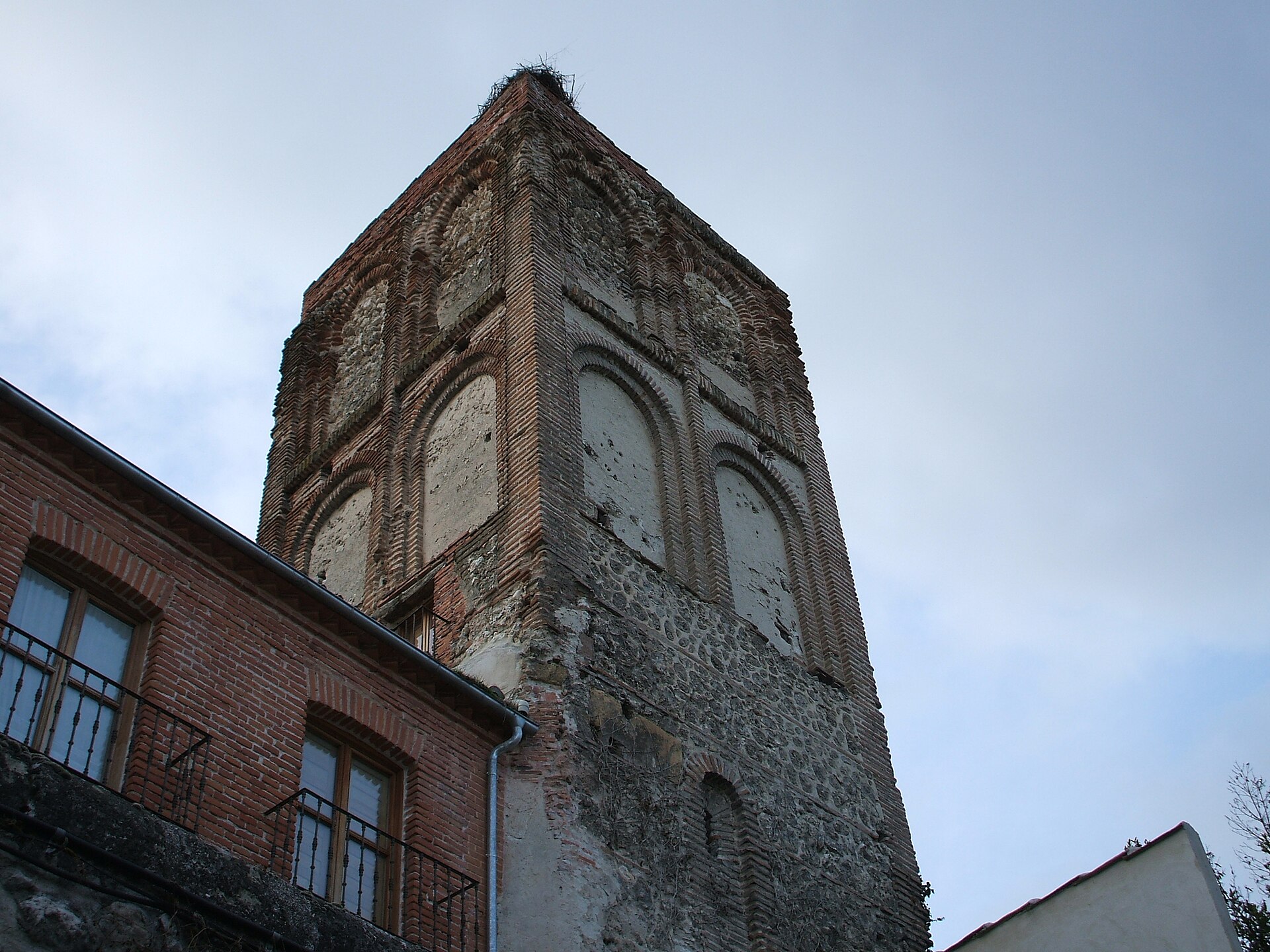
A fire in 1749 forced a reconstruction that altered the building's original structure. The current bell gable, built over one of the crenellated towers, dates from 1807. In 1931, the complex was declared a Bien de Interés Cultural — one of Spain's highest categories of heritage protection.
What can you see when you visit?
Walking through the church and convent of San Pablo, the most striking feature is the blend of Gothic forms with Mudejar decorative elements, a combination typical of religious architecture in this part of Castile. The crenellated towers are a reminder of the site's earlier defensive role as a royal fortress, while the nineteenth-century bell gable is the most recognizable silhouette of the building, visible from a distance. Inside, the burial sites linked to the Manuel family make this a meaningful stop for anyone interested in medieval Castilian history.
How do you get there, and when should you visit?
The convent stands in the town of Peñafiel itself, in the province of Valladolid, close to the town's other landmarks, including the castle that dominates the skyline above. It can be visited on your own or as part of a guided tour, and it fits naturally into a wider walk around Peñafiel that also takes in the castle and the old town. Peñafiel is a popular day-trip destination from Valladolid, which makes planning a visit straightforward at any time of year.
Frequently Asked Questions
Who founded the Convent of San Pablo in Peñafiel? It was founded by Infante Juan Manuel under a papal bull issued by Pope John XXII in 1318, after he handed the community the former alcázar of Alfonso X.
In what architectural style was the church built? The complex was built in the Gothic-Mudejar style, typical of religious architecture in this part of Castile during the first half of the fourteenth century.
Are any notable historical figures buried here? Yes, the church served as a pantheon for the Manuel family, including its founder Juan Manuel, and it also held the relics of Juana de Aza, mother of Saint Dominic.
Is the site protected as a heritage monument? Yes, in 1931 the complex was declared a Bien de Interés Cultural, Spain's highest category of cultural heritage protection.
Nearby places

Earn badges for the places you visit
Download NextOnTrip, discover new places and check off your trails.